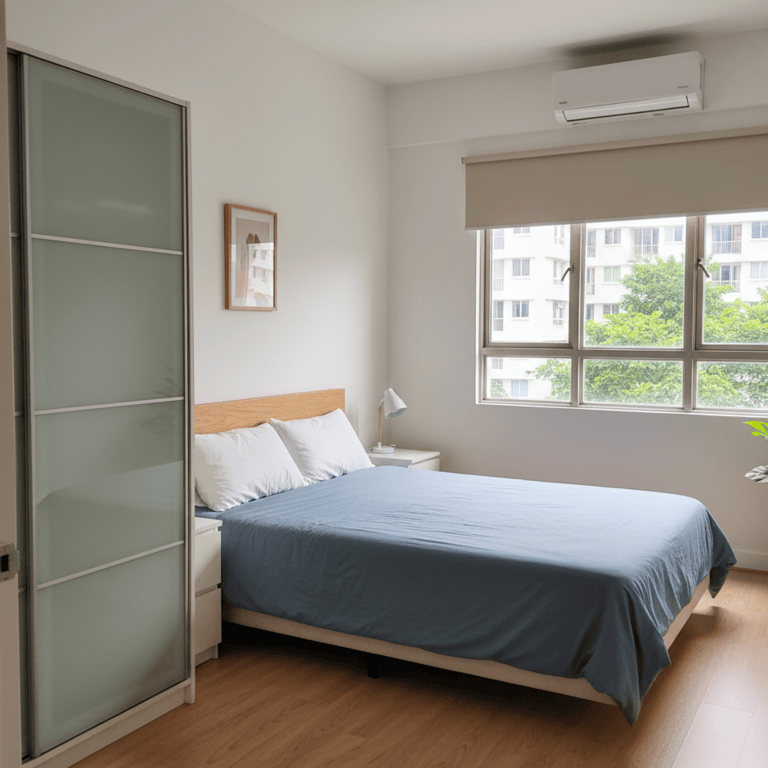
A lot of 1-bedroom units have small bedrooms. A queen-size bed usually fits, but a king-size might be a tight squeeze. With a king, you might have little room left for bedside tables or a dresser. Always check the room dimensions beforehand to ensure you can still move around comfortably.
Yes, usually the dining area in a 4-bedroom flat is sized for a big family. You can typically fit a 6- or 8-seater table comfortably. Some layouts have a separate dining room, others a large combined living/dining area. Either way, you should have space for everyone to eat together. It’s wise to measure if you own a huge dining set, but generally these units accommodate family dining well.
Students and young professionals often prefer HDB rooms for affordability and convenience. Expat families typically choose condos for amenities and international community. Established families might opt for landed houses for space and privacy. Consider your lifestyle priorities: budget-conscious renters suit HDB, amenity-seekers prefer condos, and space-needing families benefit from landed properties.
Condos usually have special move-in procedures. Expect lift bookings with protective padding and refundable deposits. Paperwork may include forms and ID copies. Schedule deliveries within approved windows and keep receipts. Planning this early avoids movers waiting downstairs while approvals are sorted last minute.
Common deductions include excessive cleaning needs, damaged furniture or fixtures, unpaid utilities, missing keys or access cards, and alterations made without permission. Normal wear and tear should not be deducted. Take detailed photos at move-in and move-out to document the property's condition. Keep all receipts for any repairs or replacements you make.
Ground floor units offer easy access without lift dependency, convenient for moving furniture or groceries, and potential for small gardens or patios. However, they may have less privacy, more noise from foot traffic, and security concerns. High floor units provide better views, more privacy, less noise, and better ventilation, but depend on lift access and may be less convenient for daily errands.
Singapore's diverse rental market means you'll likely live with people from different cultures. Be open-minded about different cooking styles, religious practices, and lifestyle habits. Establish ground rules early about shared spaces, food storage, and cultural celebrations. Respect dietary restrictions and prayer times. This diversity can be enriching if approached with understanding and clear communication.
Request written consent before drilling or painting. Confirm patching and color reinstatement at move out. Keep invoices for any professional work. Small changes can improve livability, but agreeing responsibilities now prevents friction when returning the unit later.