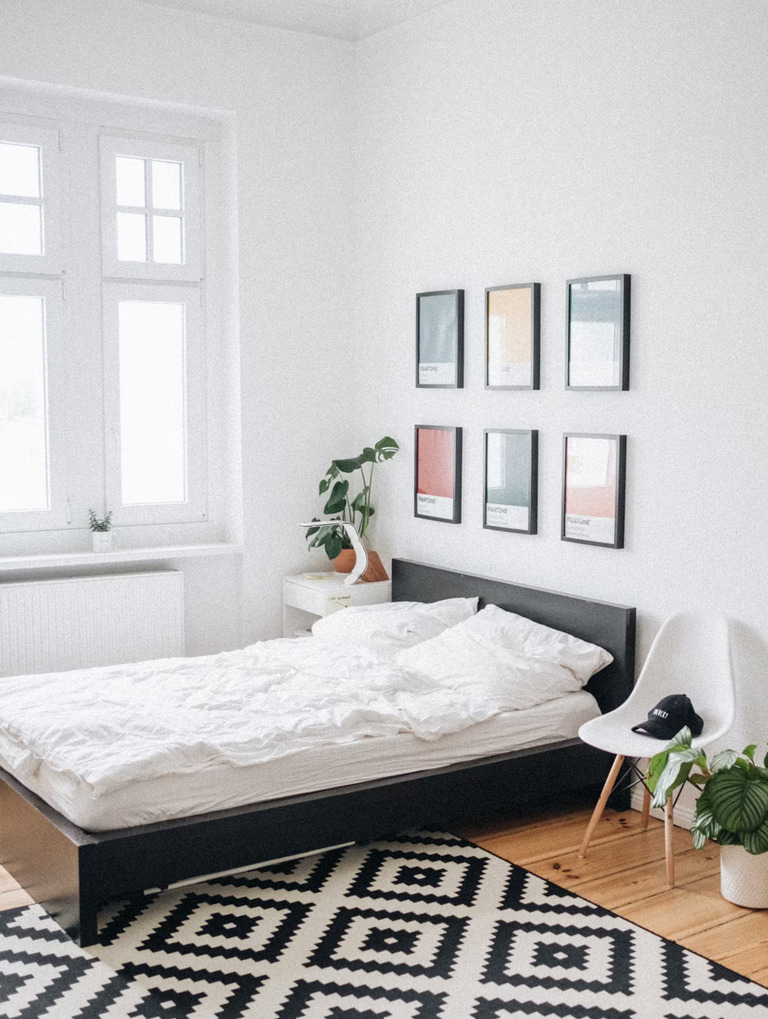
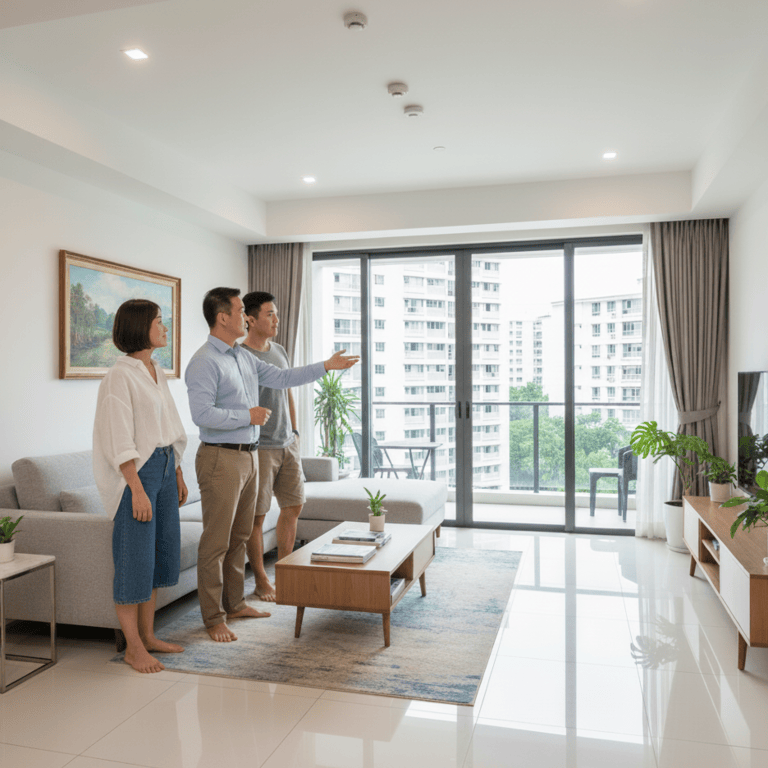
Look for persistent damp smells, water stains, mold, warped wood, peeling paint, pest traces, and poor ventilation. Test taps, appliances, windows, and locks. If something seems off or the landlord avoids answering questions, consider it a red flag.
Generally, HDB flats are most affordable, condominiums cost 30-50% more than comparable HDB units, and landed houses are the most expensive. However, prices vary significantly by location - a prime location HDB might cost more than a suburban condo. Factor in additional costs like condo maintenance fees, landed house utilities, and transport expenses when comparing total housing costs.
With more people and activities, noise management becomes important for family harmony and neighbor relations. Check sound insulation between rooms, whether bedrooms are clustered together, and if living areas are separated from sleeping areas. Consider carpet or rugs for sound dampening.
You’ll likely enjoy space, privacy, and potential outdoor areas. You won’t share walls or floors with neighbors, so noise is less of an issue. It suits families, pet owners, or hobbies needing storage. In return, expect more maintenance involvement. Clarify responsibilities for gardens, drains, and exterior checks before signing the agreement.
Yes, condo facilities often have rules and booking systems. For example, certain amenities like the BBQ pit or function room must be reserved with management in advance. These facilities also have specific rules like fixed time limits and cleanup requirements. Meanwhile, the pool or gym generally don’t require booking, but they have set hours and basic usage guidelines.
Ask about air-con use and costs. Many HDB owners let you run it at night but expect you to share the electricity bill or servicing costs. Check that the air-con unit is working well. If it's older, it might be noisier or less efficient.
While you're renting, understanding condo market trends can help predict rent stability and landlord behavior. Properties in high-demand areas with good resale prospects typically have more stable rents and better maintenance. However, rapidly appreciating properties may face higher rent increases at renewal. Consider the development's age, location, and market reputation when evaluating long-term rental viability.
Lower floors offer easier access during elevator outages and lower utility costs, but may have noise from foot traffic, security concerns, and limited views. Higher floors provide better views, less noise, and more privacy, but depend on elevators and may have higher cooling costs. Mid-level floors (3rd-8th) often balance these factors well. Consider your mobility needs, noise tolerance, and whether views matter to your daily comfort.