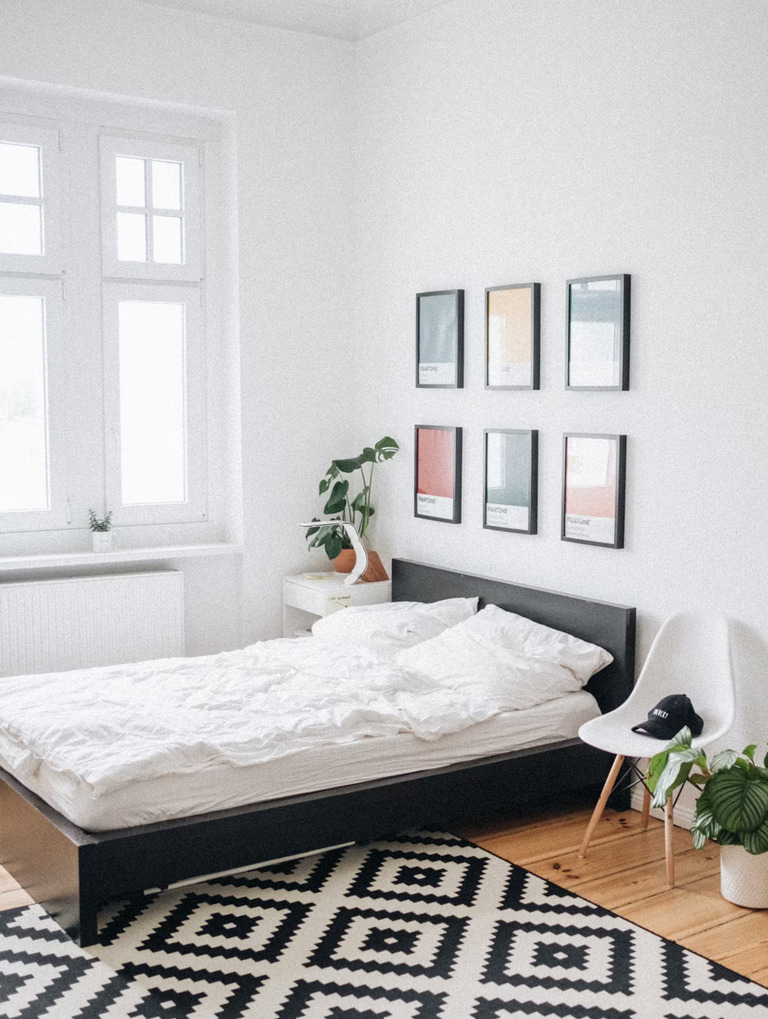
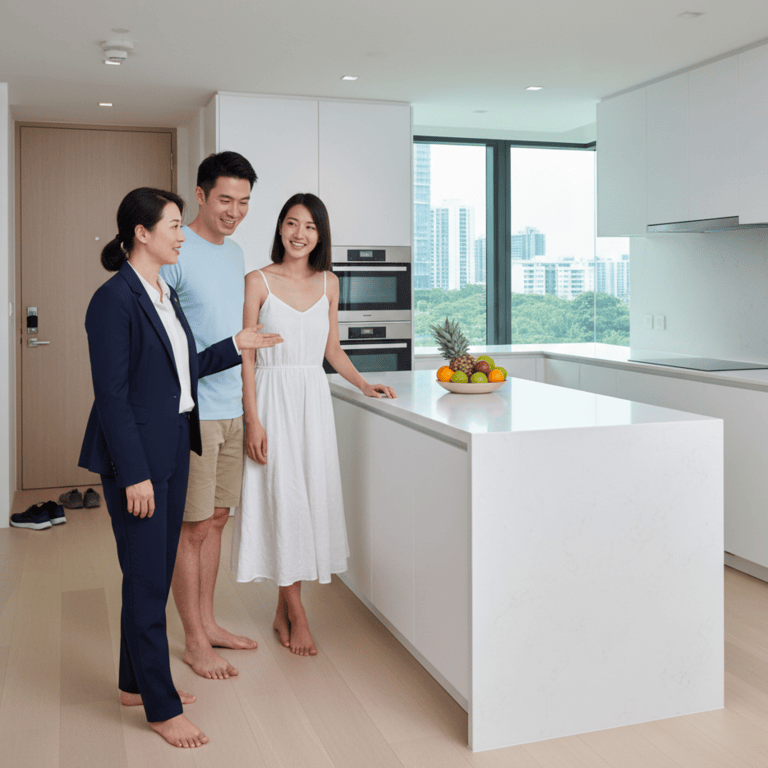
Place your desk in the living area and keep the bedroom for sleep. Close the bedroom door for mental separation. Good habits around screen time help the space feel restful after hours.
Consider your long-term needs and budget carefully. 4-bedroom units cost significantly more in rent and utilities, but offer future flexibility as families grow. The extra space can serve as home offices, guest rooms, or hobby areas. However, if you won't use the space effectively, a 3-bedroom might be more economical. Factor in the cost per square foot and your actual space utilization.
Use the additional space for a work area, reading nook, or exercise space. Consider whether you need all the space for bedroom functions or can create multiple zones. The extra room allows for larger furniture pieces, more storage, or simply a less cramped living environment.
Condos have security and access controls. You’ll get a resident card or fob for gates and lifts. Visitors usually need to sign in at the guardhouse, and you might have to approve them. Know your condo’s guest procedure so friends can visit smoothly.
Choose multi-functional furniture like a loft bed with desk underneath or storage ottomans. Use mirrors to create illusion of space and maximize natural light with light-colored curtains. Vertical storage solutions like wall-mounted shelves save floor space. Keep the room clutter-free and consider a small fan for better air circulation if the room feels stuffy.
Renting a whole unit suits those who value privacy and space. It’s ideal for families, couples, or a group of friends who want the whole place to themselves. You can use and arrange the home as you wish, but you also shoulder full responsibility for rent, bills, and maintenance.
Common rooms near front doors or main corridors may have security considerations. Ensure your room has a good lock and consider a door chain. Keep valuables secured and curtains closed for privacy. Check if the main door has proper security features. Some tenants install small safes or use lockable storage boxes for important documents and valuables.
Ground floor units offer easy access without lift dependency, convenient for moving furniture or groceries, and potential for small gardens or patios. However, they may have less privacy, more noise from foot traffic, and security concerns. High floor units provide better views, more privacy, less noise, and better ventilation, but depend on lift access and may be less convenient for daily errands.