Aim to return the home in similar condition, focusing on kitchens, bathrooms, and flooring. Degrease hoods, wipe seals, and clear drains. Replace spent bulbs and wash removable filters. Provide dated photos after cleaning to support a smooth deposit outcome.
You’ll likely enjoy space, privacy, and potential outdoor areas. You won’t share walls or floors with neighbors, so noise is less of an issue. It suits families, pet owners, or hobbies needing storage. In return, expect more maintenance involvement. Clarify responsibilities for gardens, drains, and exterior checks before signing the agreement.
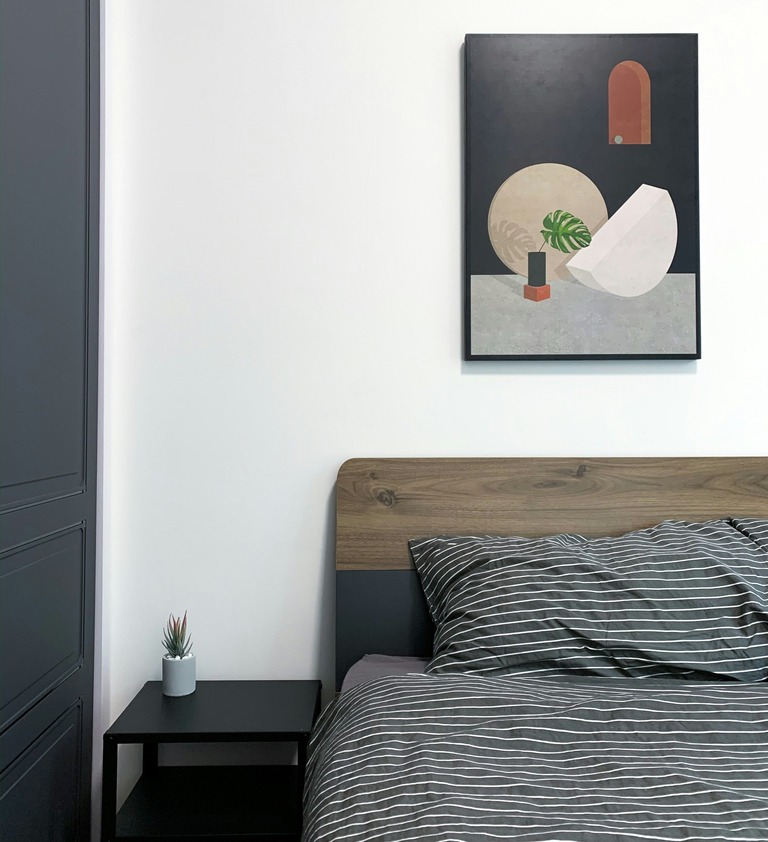
Measure wardrobe depth, check for full-length hanging, and look for shelves that suit daily items. Visualize bed placement, door swing, and airflow. Make sure a desk or cot fits without blocking pathways or covering sockets and switches.
Agree which tasks are tenant responsibilities, like light bulbs and basic filters, versus landlord duties. Report issues early and follow the preferred contact channel. Keep receipts and before-after photos so reimbursements or approvals remain straightforward later.
Singapore's diverse rental market means you'll likely live with people from different cultures. Be open-minded about different cooking styles, religious practices, and lifestyle habits. Establish ground rules early about shared spaces, food storage, and cultural celebrations. Respect dietary restrictions and prayer times. This diversity can be enriching if approached with understanding and clear communication.
Verify the main tenant has landlord approval to sublet by asking to see the original lease agreement. For HDB rooms, check that the flat meets minimum occupancy requirements and ethnic quota rules. Ensure the person renting to you is actually authorized - meet them in person and verify their identity. Get everything in writing including house rules, deposit terms, and notice periods. Be wary of cash-only transactions or reluctance to provide documentation.
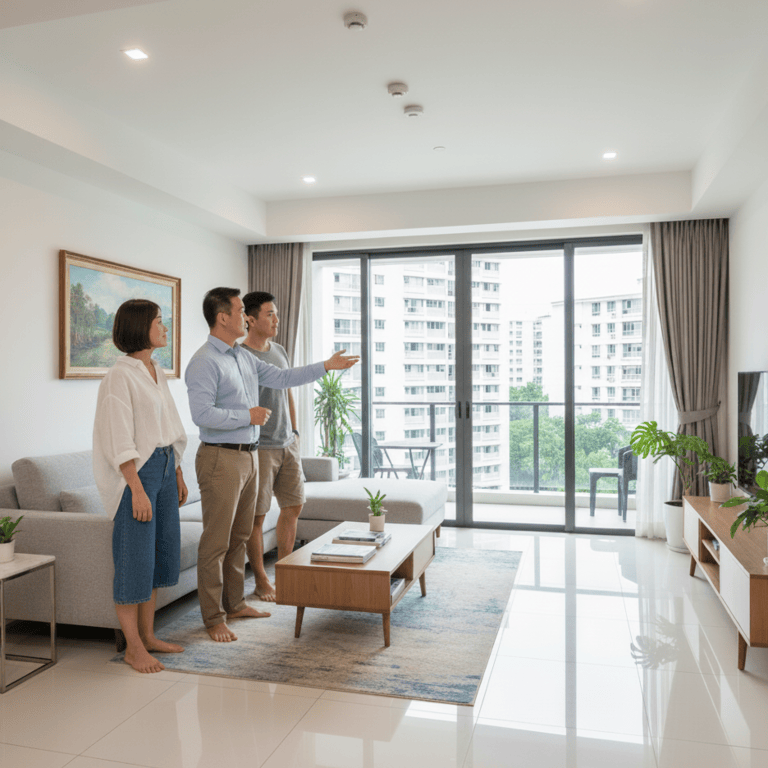
Large units require more planning for furniture placement, multiple trips, and potentially professional movers. Book moving services early, plan room assignments in advance, and coordinate utility connections. Consider hiring cleaning services and factor in longer setup time to make the large space feel like home.
Choose multi-functional furniture like a loft bed with desk underneath or storage ottomans. Use mirrors to create illusion of space and maximize natural light with light-colored curtains. Vertical storage solutions like wall-mounted shelves save floor space. Keep the room clutter-free and consider a small fan for better air circulation if the room feels stuffy.