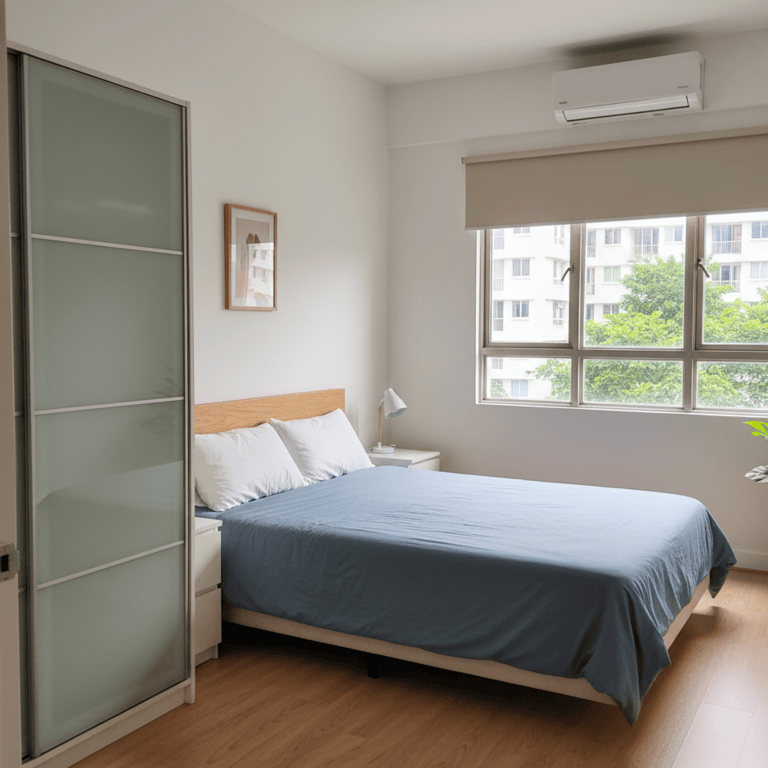
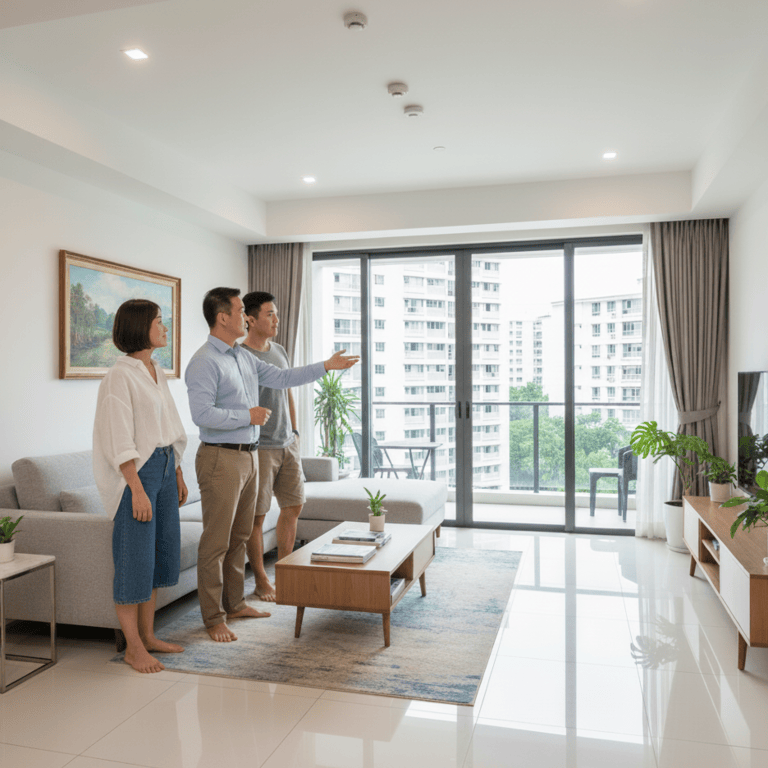
Master rooms offer more privacy for hosting but require coordination with housemates about guest policies. Clarify overnight guest limits, shared area usage when you have visitors, and whether guests can use common facilities. Be considerate about noise levels and bathroom queue times when hosting. Your ensuite provides privacy but ensure guests understand house rules and respect other tenants' space.
A master bedroom (with an attached bathroom) is ideal if you value extra space and privacy. It’s great for couples or individuals who want more room and their own bathroom. You get a larger area to yourself, which is nice if you work from your room or just like having a private bathroom and more storage. If your budget allows and you prefer not to share a bathroom, a master bedroom is a good choice.
1-bedroom units offer better entertaining space than studios with separate living areas. However, overnight guests may need to use a sofa bed in the living room. Consider the bathroom situation - ensure guests don't need to go through your bedroom to access facilities. The kitchen size may limit your ability to cook for larger groups.
Older HDB flats are usually more spacious but come with age. They might have older fittings and be a bit more worn, and some can get warm if they lack modern ventilation or insulation. Newer flats have updated interiors and designs, but they often trade off some space – rooms and living areas might be smaller. Think about whether you prefer the extra room of an older flat (and don’t mind a bit of old-school charm) or the fresh finish of a newer, albeit cozier, flat.
A common bedroom (smaller room without attached bath) is usually a fit for single renters who want a more budget-friendly option. You’ll trade privacy for affordability, so focus on good housemate fit, clear rules, and a layout that gives you a calm place to unwind.
1-bedroom units offer better work-life separation than studios with a dedicated bedroom for sleep and living area for work. You can have video calls without showing your bed, and maintain professional backgrounds. However, the limited space means you'll need efficient furniture and good organization. Consider noise levels from neighbors and ensure good internet connectivity for reliable remote work.
Request to see the landlord's NRIC and property ownership documents or tenancy agreement if they're a main tenant. Check property records through official channels if needed. Be wary of landlords who refuse to meet in person, demand cash-only payments, or pressure for immediate decisions. Legitimate landlords will provide proper documentation and allow reasonable verification time.
Sharing with 3+ roommates requires clear agreements about shared spaces, cleaning schedules, utility splits, and house rules. Consider personality compatibility, lifestyle habits, and how to handle conflicts. Establish guidelines for common areas, guest policies, and what happens if someone moves out mid-lease.