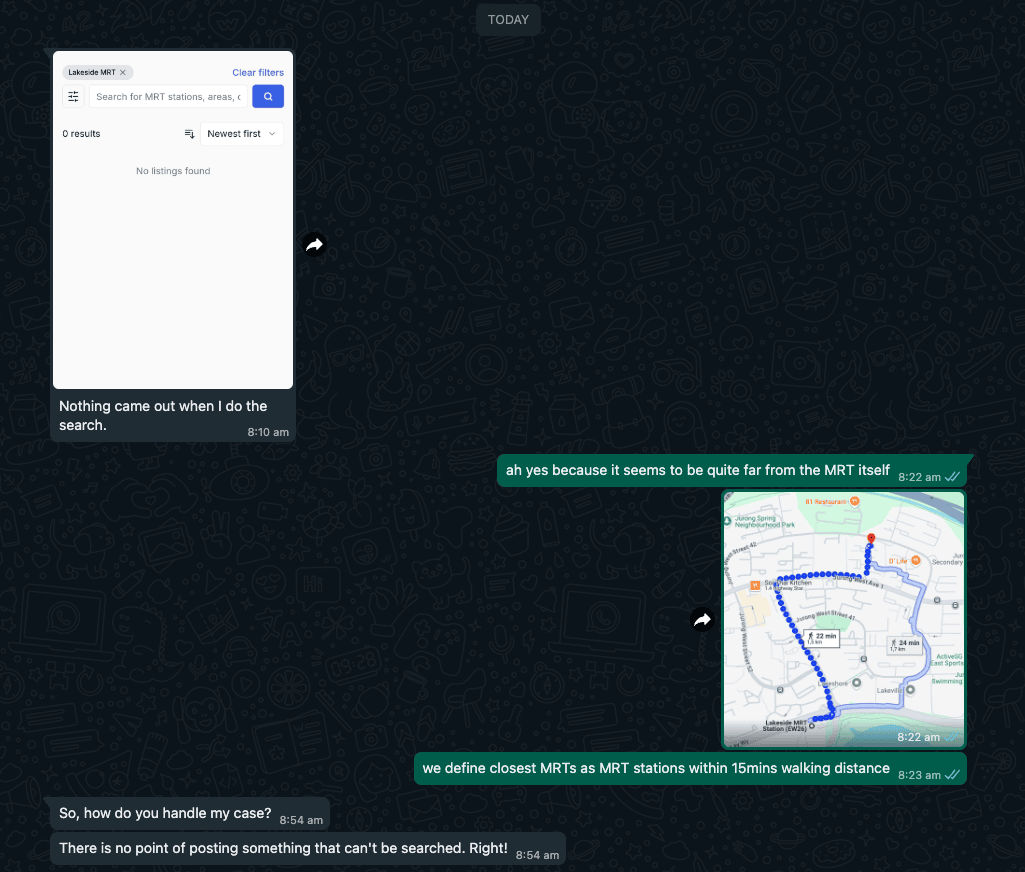
Factor in daily transport costs to work, not just rent. A cheaper rental far from MRT might cost more overall with daily taxi/grab rides. Consider monthly transport passes, peak hour surcharges, and travel time value. Properties near MRT stations command higher rent but offer convenience and cost savings. Calculate your total monthly housing + transport budget realistically.
Landed houses may have multiple entry points, ground-level access, and outdoor areas requiring different security considerations. Check all locks, consider motion sensors or security systems, and understand neighborhood security patterns. Establish routines for securing the property and coordinate with neighbors if appropriate.
Small spaces can impact mental health through feelings of claustrophobia, lack of privacy, and difficulty separating work and personal life. Ensure adequate ventilation to prevent stuffiness and mold. Prioritize natural light and consider full-spectrum lighting for mood regulation. Make time for outdoor activities and social interaction to counteract potential isolation from compact living.
Modern units may include smart locks, video intercoms, app-controlled air-conditioning, or smart lighting. Understand how these systems work and whether you'll have admin access. Check if these features increase your rent or utility costs, and ensure you're comfortable using the technology.
Keep drains clear, cover bins, and avoid standing water in trays or pots. Check window screens and door seals. Store food in sealed containers. Trim bushes and grass regularly to reduce hiding spots for pests, and consider periodic pest control if the area is prone to bugs.
Older HDB flats are usually more spacious but come with age. They might have older fittings and be a bit more worn, and some can get warm if they lack modern ventilation or insulation. Newer flats have updated interiors and designs, but they often trade off some space – rooms and living areas might be smaller. Think about whether you prefer the extra room of an older flat (and don’t mind a bit of old-school charm) or the fresh finish of a newer, albeit cozier, flat.
When relocating from overseas, arrange virtual viewings through video calls, request detailed photos and floor plans, and consider hiring a local representative for in-person viewings. Time viewings carefully around your arrival date, and prepare to make quick decisions in Singapore's fast-moving market. Have all required documents ready digitally, and consider temporary accommodation for your first few weeks to allow for proper in-person viewing before committing long-term.
Aside from rent, you cover all ongoing costs. Budget for utilities (electricity, water, gas if any) and internet each month. If the unit has air-con, plan for regular servicing. You’re also responsible for minor maintenance like replacing light bulbs or filters. Basically, all household bills and upkeep fall to you.