Short-term rentals (6 months or less) offer flexibility for uncertain situations but typically cost 10-20% more per month and provide less stability. Long-term leases (1-2 years) usually offer better rates, priority during renewals, and stable housing, but limit your ability to relocate quickly. Consider your career stability, relationship status, and life plans. Many landlords prefer long-term tenants and may offer incentives like rent freezes or minor upgrades.
HDB living means thinner walls, so noise travels easily between units and rooms. Be considerate with music, phone calls, and movement during quiet hours. Cooking smells can also spread quickly - use exhaust fans and keep doors closed when cooking strong-smelling food. The close-knit community feel means neighbors often know each other, which can be comforting but also means less anonymity.
Singapore's diverse rental market means you'll likely live with people from different cultures. Be open-minded about different cooking styles, religious practices, and lifestyle habits. Establish ground rules early about shared spaces, food storage, and cultural celebrations. Respect dietary restrictions and prayer times. This diversity can be enriching if approached with understanding and clear communication.
Landed houses offer more space and privacy but require different daily routines, potentially higher maintenance awareness, and different security considerations. You might have more outdoor responsibilities, different neighbor relationships, and need to manage larger spaces. Consider whether the lifestyle change aligns with your preferences and capabilities.
HDB's ethnic integration policy may limit rental options based on the current ethnic composition of the block. This affects both tenants and landlords. Be prepared for potential limitations and understand that this is a government policy designed to maintain racial harmony, not discrimination by individual landlords.
Agree on clear house rules with your flatmates early. Clarify quiet hours, overnight guests, cooking frequency, kitchen use, fridge space, and laundry timing. Discuss cleaning expectations for kitchen and bathrooms. Check rules about smoking or pets. Setting these expectations from the start helps prevent conflicts and keeps everyone comfortable.
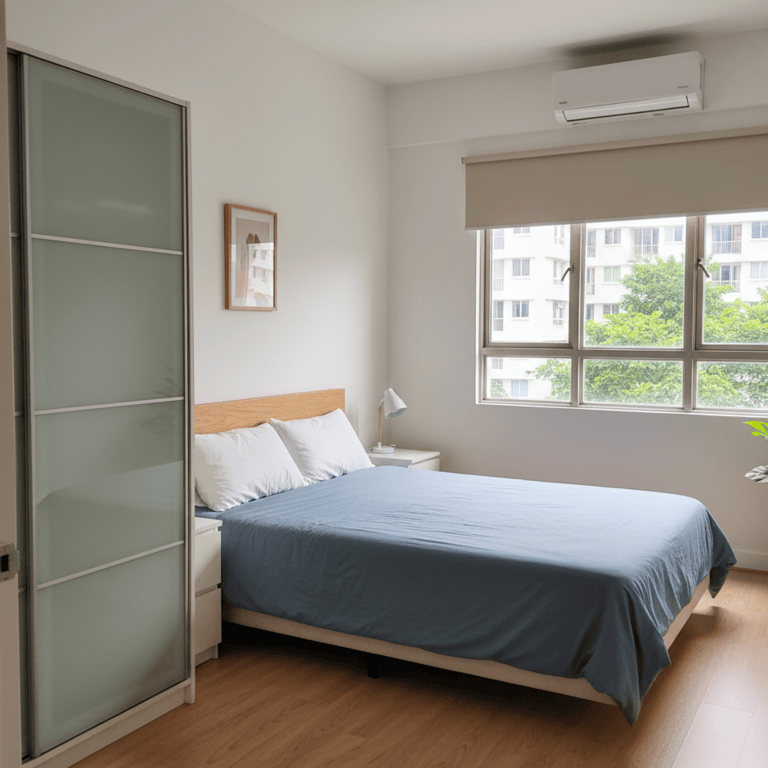
A common bedroom (smaller room without attached bath) is usually a fit for single renters who want a more budget-friendly option. You’ll trade privacy for affordability, so focus on good housemate fit, clear rules, and a layout that gives you a calm place to unwind.
Master rooms command premium rent due to size and ensuite access. Research comparable listings to understand market rates. Consider negotiating longer lease terms for rent stability, or ask about inclusive utility caps to manage higher consumption costs. Some landlords offer furnished master rooms - evaluate if the premium is worth the convenience.