Expect practical living with access to eateries, clinics, and everyday services nearby. Community spaces encourage casual interaction. Focus on block cleanliness, lift reliability, and nearby shops. Daily errands are usually straightforward without needing long travel or planning.
Teenagers require more privacy and independence than younger children. Consider bedroom assignments that provide adequate separation from parents and siblings, ensure good soundproofing for music and phone calls, and discuss household rules about friends visiting. Plan for increased utility usage and potential need for additional internet bandwidth or separate study spaces.
2-bedroom units typically cost 60-80% more than 1-bedroom units, but when shared between two people, can be more economical per person than individual studios. Factor in additional costs like higher utility bills with more space to cool and light. Consider whether the extra space and privacy justify the higher cost for your lifestyle and budget.
Short stays exist but many landlords prefer 12‑month leases. If you need flexibility, ask about minimum term, extension options, and early termination fees before you pay a deposit.
Clarify which accounts must be in your name and how meter readings are recorded at handover. Photograph readings and sockets you’ll use heavily. Schedule installation visits early so internet and power changes don’t disrupt your first week routines.
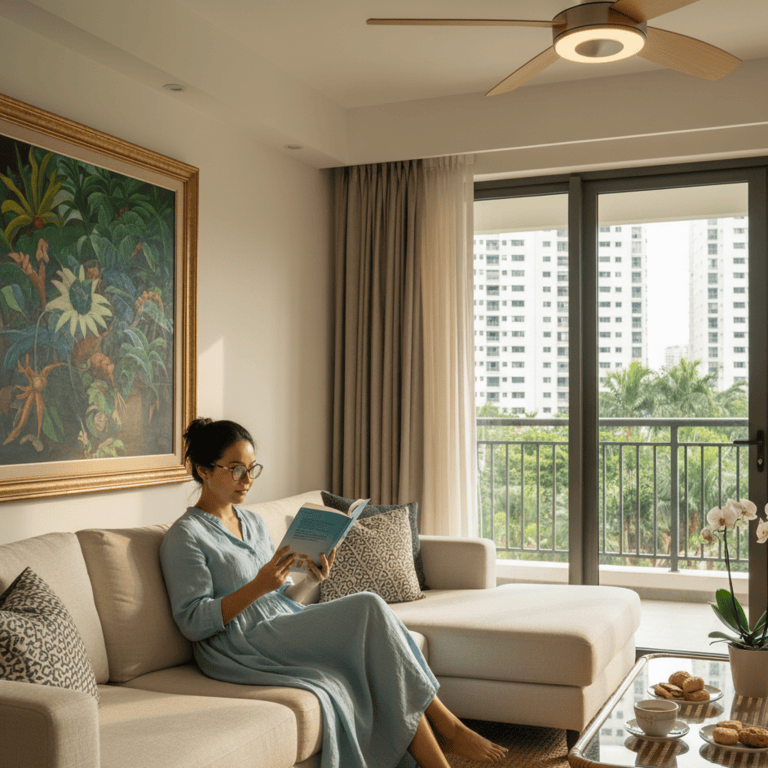
Condo living offers natural opportunities to meet neighbors through shared facilities like pools, gyms, and BBQ areas. Be respectful of facility rules and considerate of others' usage. Participate in condo events or activities if available. However, respect privacy - some residents prefer minimal interaction. Building good relationships can lead to helpful neighbors and a more pleasant living experience.
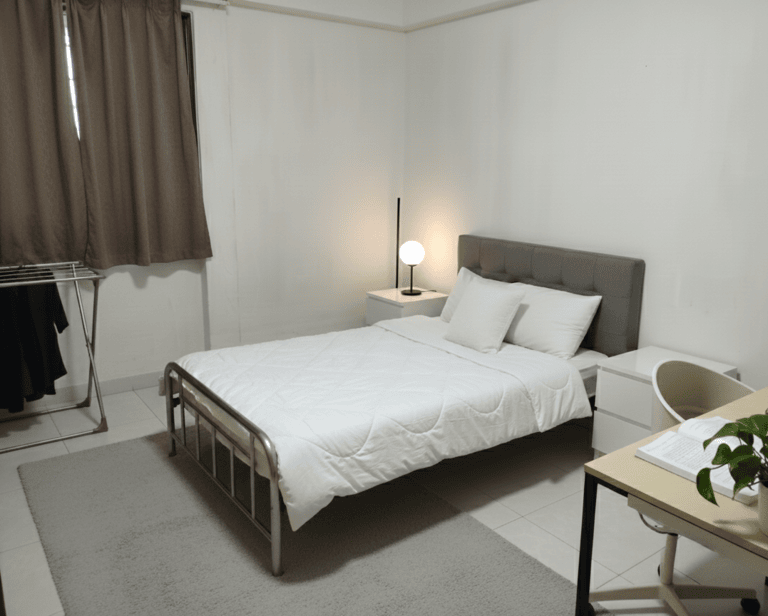
HDB units offer excellent value for families with practical layouts and nearby amenities like schools, clinics, and childcare. The strong community environment provides social support networks. Playgrounds and void decks offer safe spaces for children. However, consider space constraints in newer flats and noise from neighbors due to closer proximity than landed houses.
Generally, yes. Landed homes are often in quieter residential areas, so public transport might be a longer walk away. If you don’t drive, check how close the nearest bus stop or MRT is. You’re gaining a quiet environment but giving up some convenience of easy transport access.