Condo living often attracts young professionals and expatriates, creating diverse, international housemate communities. Expect higher living standards and potentially more transient housemates who may move frequently for work. The facilities create natural social opportunities - you might meet neighbors at the pool or gym. However, this can also mean more temporary relationships compared to HDB community living.
Rental demand typically peaks during university intake periods (July-August and January) and expat relocation seasons (June-August and December-January). Prices may be higher during these periods. Consider timing your search during off-peak months for better deals and more negotiating power. Chinese New Year period often sees reduced activity.
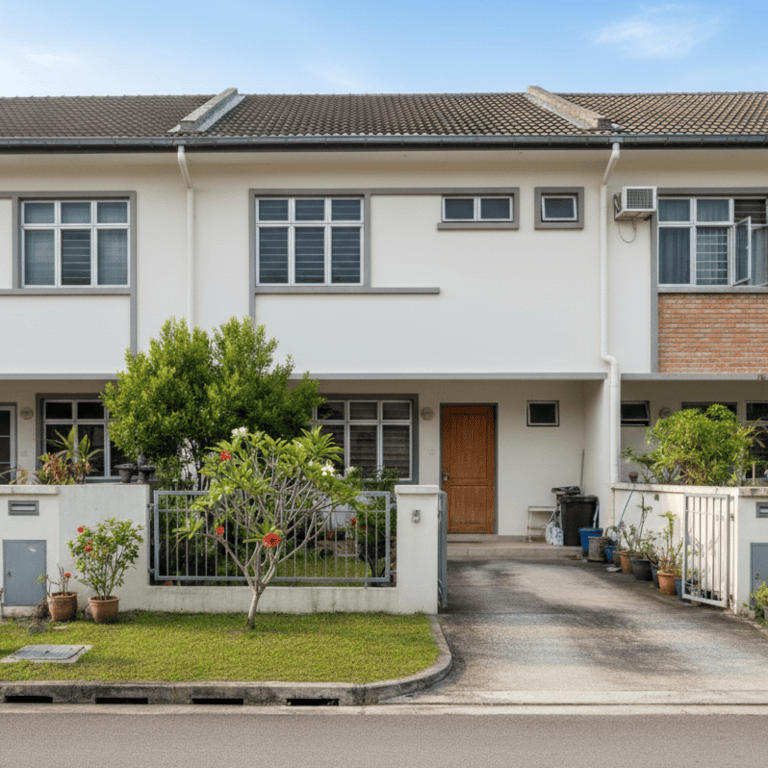
Multi-story landed houses can have complex privacy dynamics with bedrooms on different levels. Consider noise transmission between floors, whether your room has direct access or requires passing through common areas, and how bathroom sharing works across floors. Upper floor rooms may offer more privacy but require consideration of stairs and emergency access.
1-bedrooms can work well for couples who spend time together and don't need separate workspaces. Consider whether you both work from home, have different sleep schedules, or need personal space. Check if the living area can accommodate both partners' belongings and activities comfortably.
Most 4-bedroom units have one master bedroom with ensuite, and three smaller bedrooms sharing 1-2 additional bathrooms. Some premium units offer two master suites. Common areas typically include larger living/dining spaces and bigger kitchens to accommodate family needs. Check if bedrooms are clustered together or spread throughout the unit for privacy considerations.
In a landed house, residents handle all the cleaning. Large spaces (living rooms, kitchen, stairs) mean more work, so housemates should set a chore routine or hire a cleaner together. Agreeing on who cleans what (and when) keeps the big home comfortable for everyone.
Condos regularly schedule maintenance for elevators, water systems, and facilities that can disrupt daily routines. Stay informed through building notices, plan alternative routes during elevator maintenance, and keep backup water supplies during plumbing work. Communicate with your landlord about any major disruptions that affect your room's habitability or access.
Check that the kitchen has adequate ventilation to prevent cooking smells from overwhelming the living space. Ensure sufficient counter space for meal prep and storage for kitchen essentials. Look for a proper range hood and consider the proximity to your sleeping area. Some studios have kitchenettes with limited cooking capabilities - confirm this meets your culinary needs.