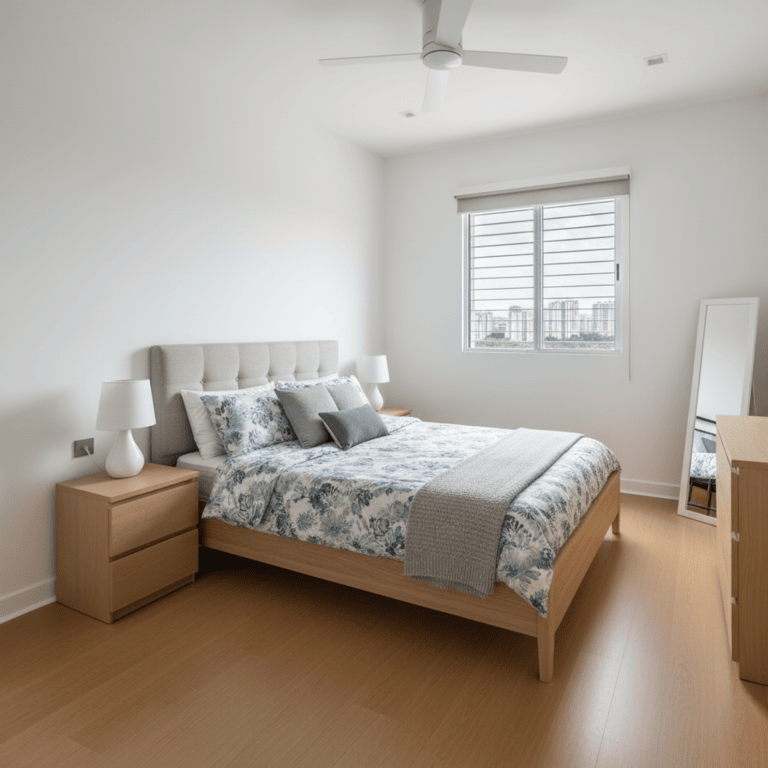
Yes. Check that there’s an aircon in each bedroom and the living room. Make sure they all work. Also note the number of power outlets in each room. Some older flats have few sockets, so ensure there’s one where you plan to put your TV or computer. If not, you’ll need extension cords. Knowing this upfront helps you plan.
Expect a quieter, more suburban lifestyle with potentially longer commutes to city centers. You'll have more space and privacy but fewer nearby amenities compared to HDB or condo living. The pace is generally slower, with more responsibility for property upkeep. Consider whether you prefer the space and tranquility over urban convenience and connectivity.
Air-con significantly impacts electricity bills in Singapore's climate. Discuss usage patterns with housemates - some prefer it only at night, others need it during work-from-home hours. Agree on temperature settings (24-26°C is efficient) and whether common areas should be cooled. Consider individual room usage tracking or splitting bills proportionally based on usage patterns.
Learn the visitor registration system, understand security procedures for guests, and know the protocols for deliveries and service personnel. Some condos have strict visitor policies, time restrictions, or require advance registration. Ensure your guests understand and follow building security requirements.
For unit-specific issues, contact your landlord first. For common area problems or facility issues, you can report directly to condo management. Some condos have apps or online portals for maintenance requests. Understand the difference between landlord responsibilities (your unit) and management responsibilities (common areas) to report issues to the right party efficiently.
Landed houses offer more space and privacy but require different daily routines, potentially higher maintenance awareness, and different security considerations. You might have more outdoor responsibilities, different neighbor relationships, and need to manage larger spaces. Consider whether the lifestyle change aligns with your preferences and capabilities.
Consider your long-term needs and budget carefully. 4-bedroom units cost significantly more in rent and utilities, but offer future flexibility as families grow. The extra space can serve as home offices, guest rooms, or hobby areas. However, if you won't use the space effectively, a 3-bedroom might be more economical. Factor in the cost per square foot and your actual space utilization.
Establish clear common area rules and assign personal storage spaces in each bedroom. Use the third bedroom strategically - as a study, guest room, or helper's quarters. Create a household schedule for shared spaces like bathrooms and kitchen. Consider installing additional hooks and organizers in common areas to prevent clutter.