If you rent a common room, you’ll likely share a bathroom with one or more housemates. Agree on morning and evening peak times, cleaning duties, and storage space for toiletries. A shower caddy and labeled shelves reduce friction. Expect to compromise a little on timing and cleanliness habits, but overall, as long as everyone is considerate (cleaning hair from the drain, not hogging the bathroom for an hour), sharing a bathroom is manageable.
Families need significant storage for clothing, toys, school supplies, and household items. Look for built-in wardrobes in each bedroom, linen closets, kitchen storage, and utility areas. Check if there's a storeroom, under-stair storage, or if you can add storage furniture without overcrowding the space.
Singapore's vibrant food delivery scene means lots of packages arriving. Establish rules about receiving deliveries for absent housemates, sharing delivery fees for group orders, and storing food in shared fridges. Label your items clearly and respect others' food. Consider setting up group orders for popular restaurants to save on delivery fees.
Expect practical living with access to eateries, clinics, and everyday services nearby. Community spaces encourage casual interaction. Focus on block cleanliness, lift reliability, and nearby shops. Daily errands are usually straightforward without needing long travel or planning.
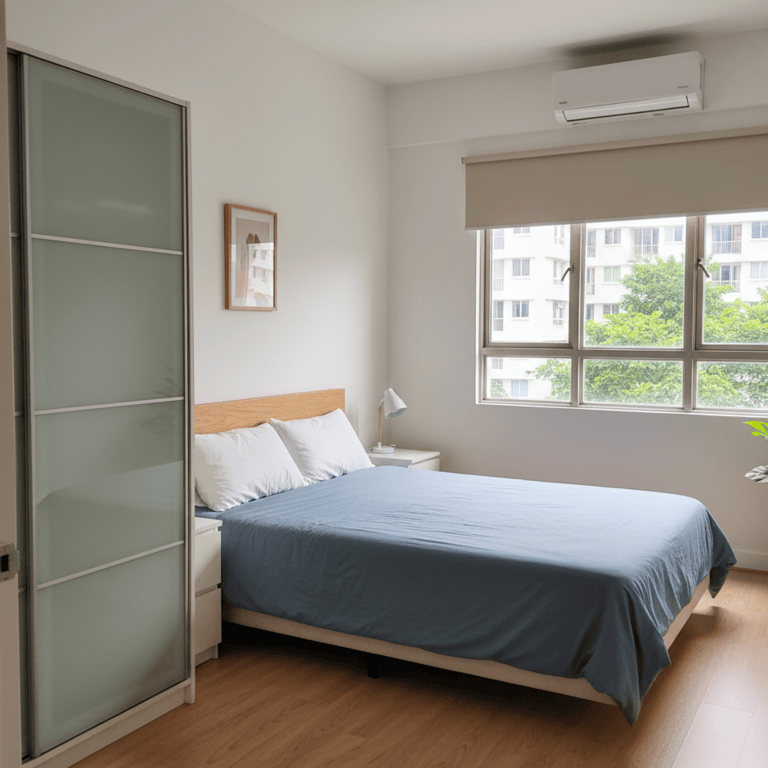
Ask about air-con use and costs. Many HDB owners let you run it at night but expect you to share the electricity bill or servicing costs. Check that the air-con unit is working well. If it's older, it might be noisier or less efficient.
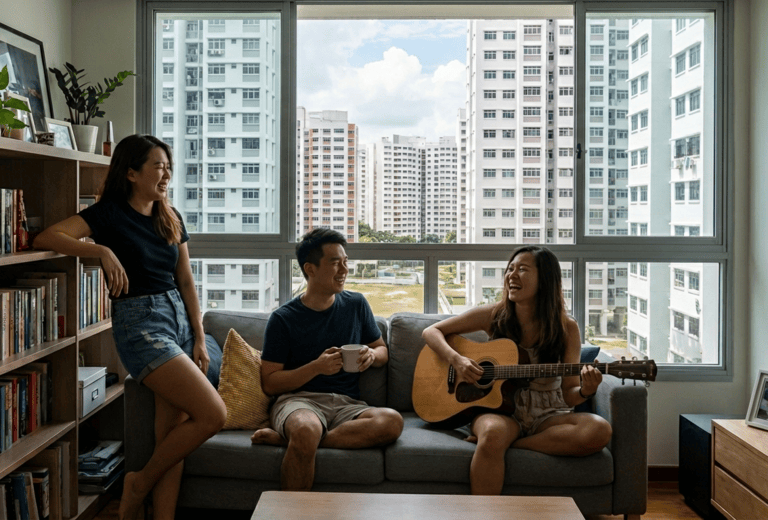
HDB living means thinner walls, so noise travels easily between units and rooms. Be considerate with music, phone calls, and movement during quiet hours. Cooking smells can also spread quickly - use exhaust fans and keep doors closed when cooking strong-smelling food. The close-knit community feel means neighbors often know each other, which can be comforting but also means less anonymity.
Common rooms near front doors or main corridors may have security considerations. Ensure your room has a good lock and consider a door chain. Keep valuables secured and curtains closed for privacy. Check if the main door has proper security features. Some tenants install small safes or use lockable storage boxes for important documents and valuables.
Clarify with your housemates or landlord how utilities are divided. Often, all occupants split electricity, water, and internet bills equally. In some cases, if one person uses significantly more (e.g., air-con all day), they might pay a bit more. It’s important to agree on a fair arrangement upfront so everyone knows their share of the monthly bills. Keep bills visible to everyone and record transfers for transparency.