Report common area issues like lift problems, lighting, or pest control to the town council. For unit-specific issues, coordinate with your landlord first. Understand which maintenance falls under town council responsibility versus landlord/tenant responsibility. Keep town council contact information handy for emergencies.
Corner units typically offer better ventilation, more natural light, additional windows, and sometimes larger layouts. They may also have less shared walls with neighbors, providing more privacy. However, they might be more expensive and could be noisier if facing main roads or having more external exposure.
Landed houses may have multiple entry points, ground-level access, and outdoor areas requiring different security considerations. Check all locks, consider motion sensors or security systems, and understand neighborhood security patterns. Establish routines for securing the property and coordinate with neighbors if appropriate.
Families need significant storage for clothing, toys, school supplies, and household items. Look for built-in wardrobes in each bedroom, linen closets, kitchen storage, and utility areas. Check if there's a storeroom, under-stair storage, or if you can add storage furniture without overcrowding the space.
Address cleanliness issues diplomatically by establishing clear cleaning schedules and standards upfront. Document problems with photos if needed, and discuss solutions rather than blame. Consider implementing a cleaning roster, shared cleaning supplies fund, or hiring occasional deep cleaning. If issues persist, involve the landlord or main tenant as mediator. Sometimes different cultural or personal standards require compromise and clear communication.
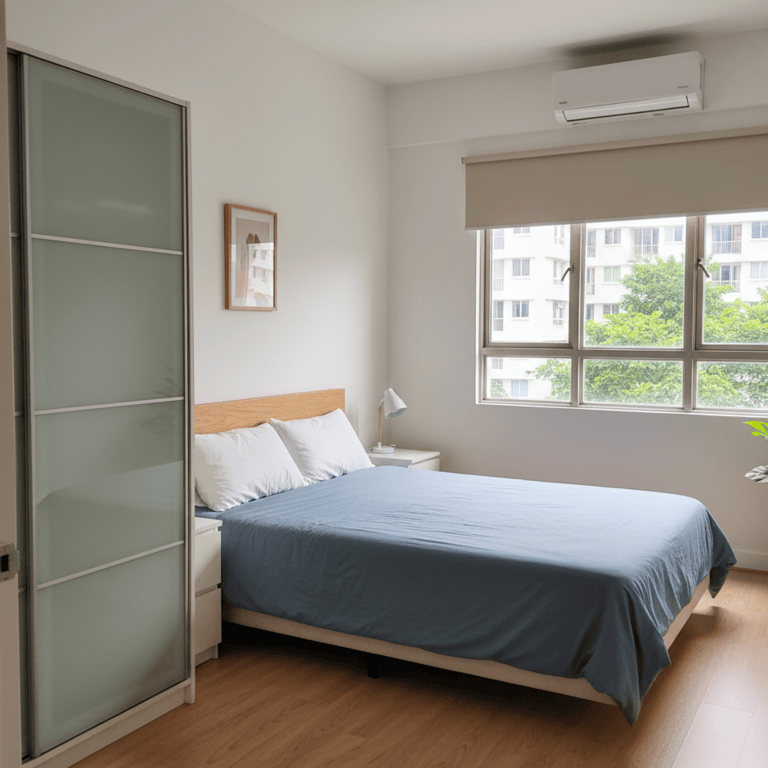
1-bedrooms can work well for couples who spend time together and don't need separate workspaces. Consider whether you both work from home, have different sleep schedules, or need personal space. Check if the living area can accommodate both partners' belongings and activities comfortably.
Yes, usually the dining area in a 4-bedroom flat is sized for a big family. You can typically fit a 6- or 8-seater table comfortably. Some layouts have a separate dining room, others a large combined living/dining area. Either way, you should have space for everyone to eat together. It’s wise to measure if you own a huge dining set, but generally these units accommodate family dining well.
HDB rooms often have simpler finishes and fewer shared facilities but practical layouts and solid walls. You’ll trade pools or gyms for straightforward convenience. Prioritize block condition, elevator access, and nearby amenities over lifestyle facilities you won’t use.