Void decks host community events, celebrations, and sometimes funeral wakes that can create noise and activity. Lower floor rooms may be more affected by these activities. While these are part of HDB community life, understand the typical schedule and duration of events, and plan accordingly for noise-sensitive activities like sleep or work calls.
HDB estates often have nearby markets, food courts, clinics, schools, and community centers. Many have playgrounds, fitness corners, and resident committee activities. Check proximity to essential services, public transport, and whether the estate has active community programs that might interest you.
Studios are energy-efficient to cool with one air-con unit covering the entire space. However, cooking heat and humidity affect the whole living area immediately. Good ventilation becomes crucial - ensure windows open for cross-ventilation and the kitchen has effective exhaust. Consider the orientation and whether the unit gets direct sunlight, which can make small spaces uncomfortably warm.
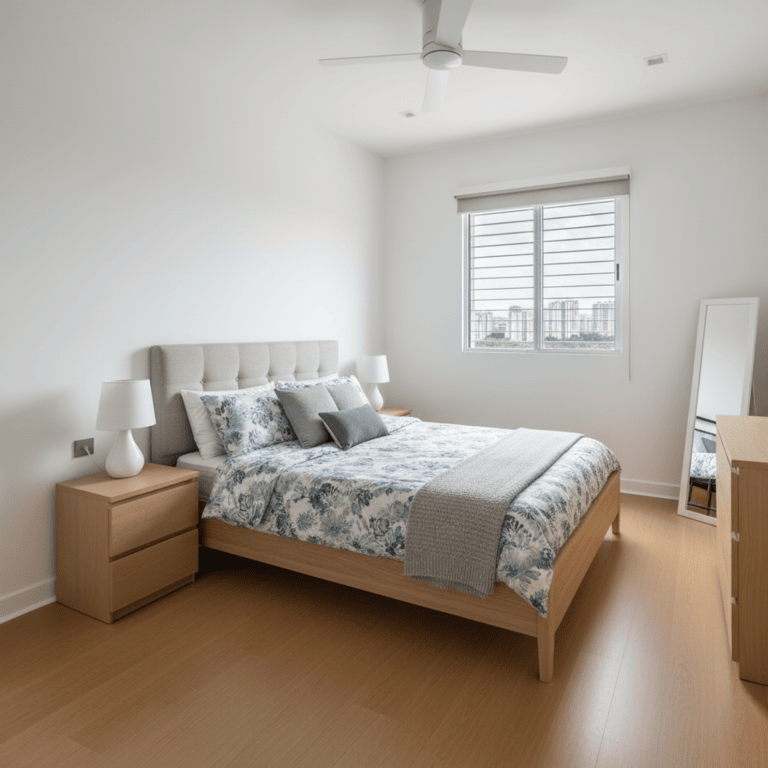
Use the additional space for a work area, reading nook, or exercise space. Consider whether you need all the space for bedroom functions or can create multiple zones. The extra room allows for larger furniture pieces, more storage, or simply a less cramped living environment.
Furnishing a 4-bedroom requires more furniture (beds, sofas, tables, etc.), so budget and plan accordingly. You can furnish gradually room by room. Cleaning is also a bigger job – more floor space, more bathrooms, more surfaces to wipe. Expect to spend extra time on chores or consider hiring help. It's wise to clean in zones (a room or area each day) so it's manageable.
Yes, a larger space usually means higher utility costs. In a 4-bedroom, you may run four or more aircon units plus more lights and devices, which adds up. More people/rooms also likely means more water usage. So expect to pay higher electricity and water bills than in a smaller unit. To manage costs, use AC and lights only when needed and choose energy-efficient appliances.
Short stays exist but many landlords prefer 12‑month leases. If you need flexibility, ask about minimum term, extension options, and early termination fees before you pay a deposit.
Check whether it’s in the kitchen or bathroom and listen for spin noise near the bed. Ensure there’s a drying area with airflow. If stacking is possible, measure carefully. Quiet operation matters when your sleeping and laundry zones overlap.