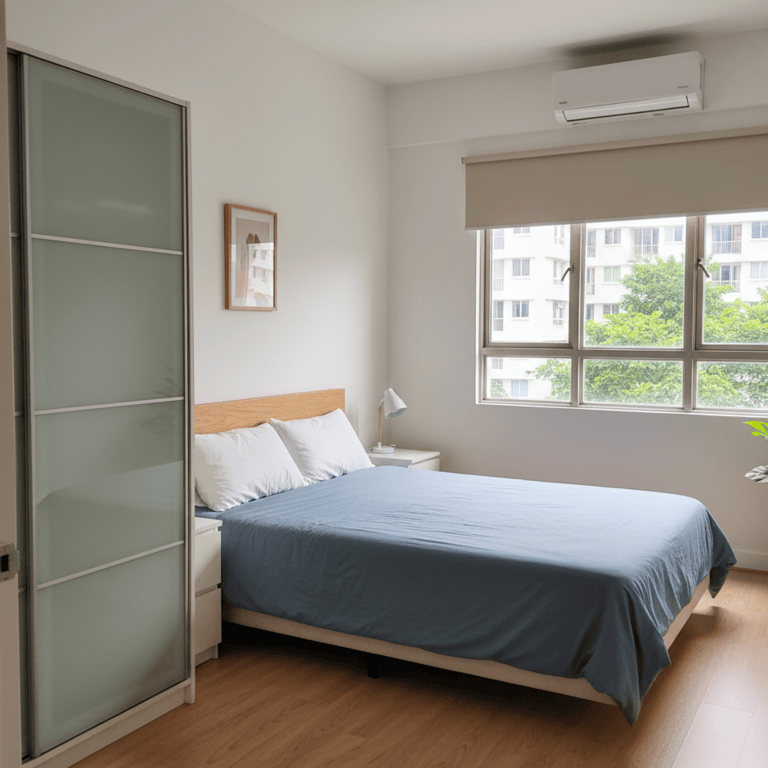
For multiple generations, prioritize accessibility and privacy. Make sure one bedroom for grandparents is easy to reach (no stairs) and near a bathroom. A 4-bedroom with a second en-suite (junior master) is ideal to give older parents their own space. Ensure there's plenty of common area for family gatherings, but also enough rooms or corners for privacy when needed. That way, everyone has a comfortable room and nobody feels cramped.
3-bedroom units offer excellent flexibility for families. Start with a master bedroom, nursery, and guest room/study. As children grow, convert the study to a second child's room. The extra space allows for toy storage, play areas, and separate study zones. Consider child-proofing requirements and proximity to good schools when choosing location.
Landed properties may require different maintenance approaches for multiple levels, outdoor areas, and potentially more complex systems. Understand your responsibilities versus the landlord's, know how to access different areas safely, and establish procedures for reporting issues. Consider whether you're comfortable with the maintenance demands of a larger property.
Check all door and window seals, clear gutters and drains, and ensure proper drainage around the house. Test sump pumps if present and know where water shut-offs are located. Prepare sandbags or flood barriers if the area is prone to flooding. Trim overhanging branches that could fall during storms and secure outdoor furniture.
Yes, tenants can usually use condo facilities like the pool, gym, function rooms, or BBQ pits. Ensure the landlord gives you a resident access card. Some amenities require advance booking or small fees (e.g., BBQ pits or tennis courts), so check the condo’s booking procedures and rules.
HDB's ethnic integration policy may limit rental options based on the current ethnic composition of the block. This affects both tenants and landlords. Be prepared for potential limitations and understand that this is a government policy designed to maintain racial harmony, not discrimination by individual landlords.
Check that the kitchen has adequate ventilation to prevent cooking smells from overwhelming the living space. Ensure sufficient counter space for meal prep and storage for kitchen essentials. Look for a proper range hood and consider the proximity to your sleeping area. Some studios have kitchenettes with limited cooking capabilities - confirm this meets your culinary needs.
Factor in daily transport costs to work, not just rent. A cheaper rental far from MRT might cost more overall with daily taxi/grab rides. Consider monthly transport passes, peak hour surcharges, and travel time value. Properties near MRT stations command higher rent but offer convenience and cost savings. Calculate your total monthly housing + transport budget realistically.