Yes, if you coordinate meeting times, choose a call zone, and use headphones. Ask about desk space in communal areas and quiet hours for focus. A shared calendar prevents overlapping calls echoing through thin doors or hallways.
Go furnished for convenience and lower upfront setup, but inspect furniture condition and note wear expectations. Choose unfurnished for flexibility and hygiene control, factoring in delivery time, storage needs, and the effort to move items at lease end. It really depends on whether you have furniture and want to customize the space or prefer a move-in-ready setup.
Condos have security and access controls. You’ll get a resident card or fob for gates and lifts. Visitors usually need to sign in at the guardhouse, and you might have to approve them. Know your condo’s guest procedure so friends can visit smoothly.
Many 3-bedroom units include a small service yard or utility area near the kitchen for laundry. It’s basically space for a washing machine and to hang clothes. Not all layouts have this, so check the floor plan. If a listing mentions a 'yard' or utility room, that usually means there’s a dedicated laundry area.
Landed houses offer more space but lack condo facilities. You’ll likely get a bigger room and maybe a garden or yard to enjoy. However, you won’t have amenities like a pool or gym on-site. It’s a balance: more personal space and privacy in exchange for not having shared facilities.
Common rooms near front doors or main corridors may have security considerations. Ensure your room has a good lock and consider a door chain. Keep valuables secured and curtains closed for privacy. Check if the main door has proper security features. Some tenants install small safes or use lockable storage boxes for important documents and valuables.
Families need significant storage for clothing, toys, school supplies, and household items. Look for built-in wardrobes in each bedroom, linen closets, kitchen storage, and utility areas. Check if there's a storeroom, under-stair storage, or if you can add storage furniture without overcrowding the space.
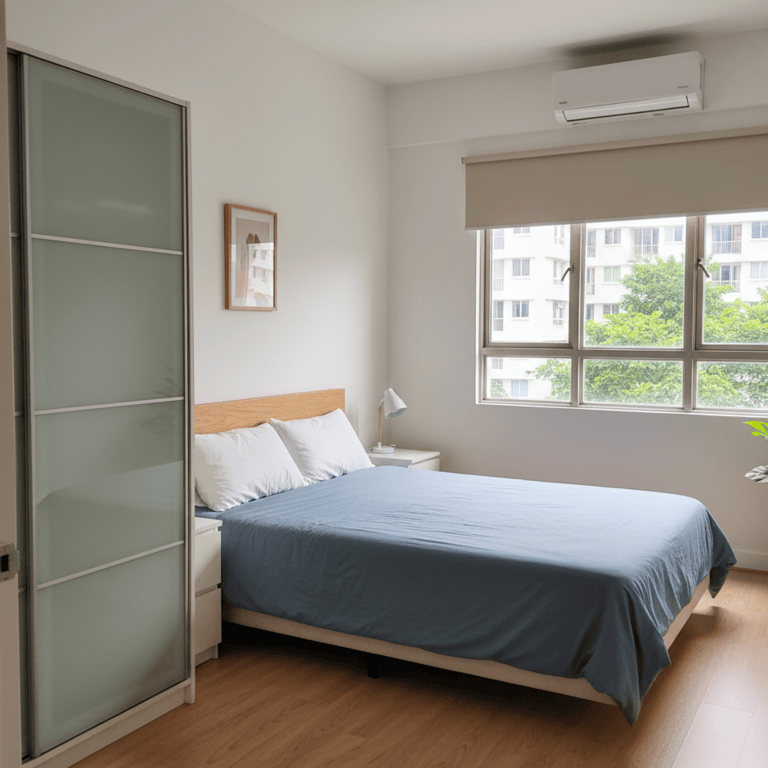
Many are, but not all. Confirm air‑con in your room, servicing schedule, usage rules, and who pays for maintenance. Older compressors may be less efficient and noisier.