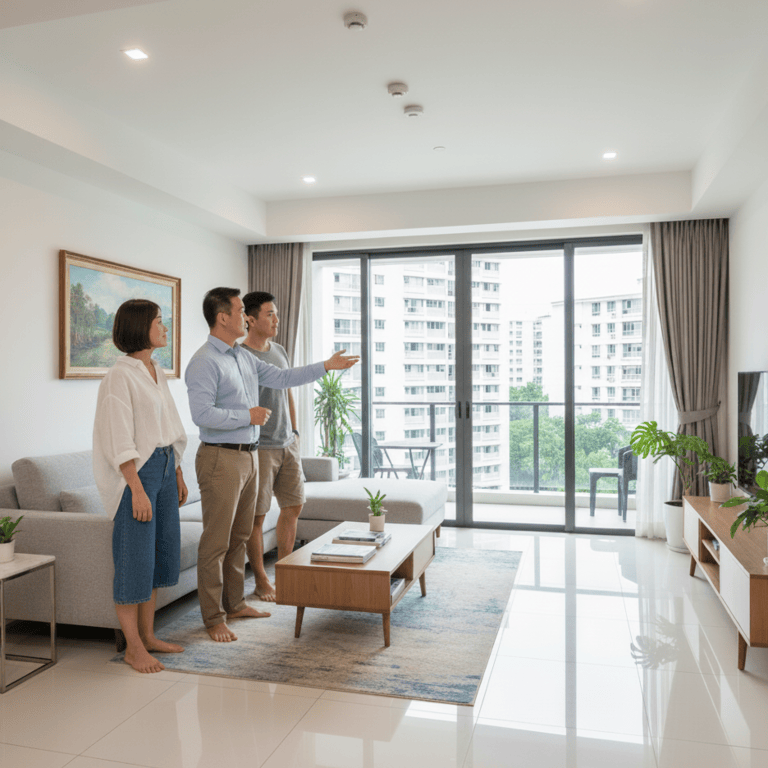
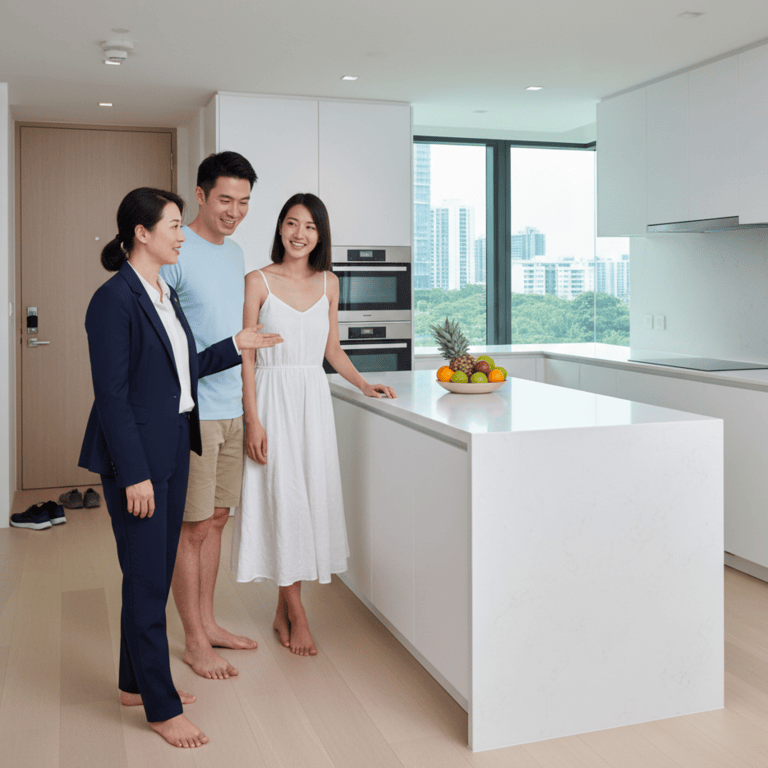
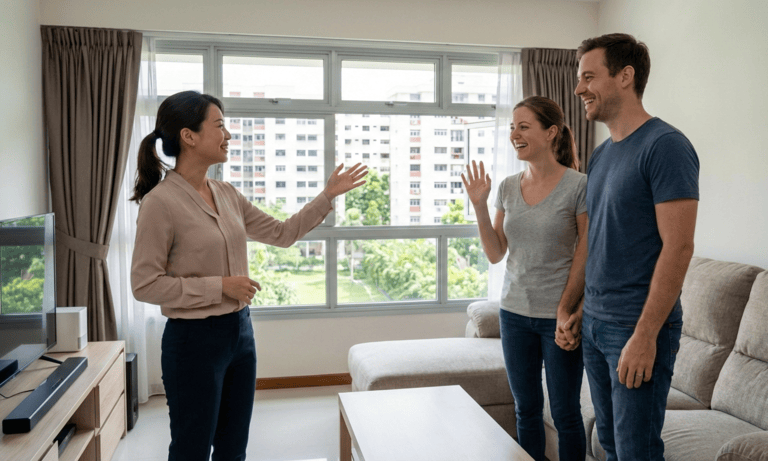
Look for sun exposure, corridor traffic, and window seals. Older blocks may show wear, so check for water stains, spalling, and musty smells. Test airflow with windows open and closed to understand heat buildup and ventilation effectiveness.
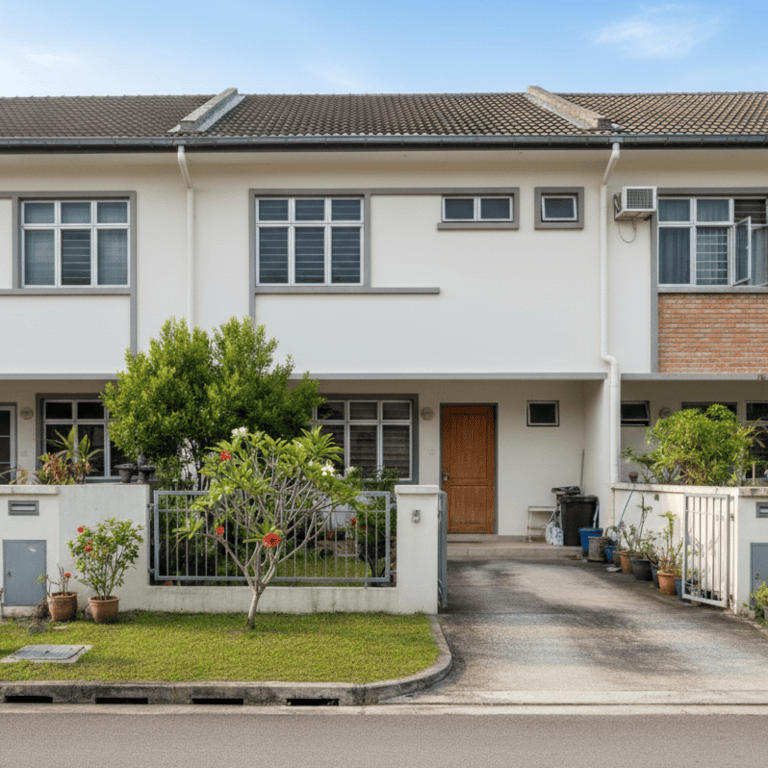
Landed homes lack the security of condos, so you need to be mindful. Always lock doors, windows, and the gate. If you’re on the ground floor, ensure your window has a grille or strong lock. Some houses have alarms or cameras, but day-to-day safety relies on you being vigilant.
Yes, tenants can usually use condo facilities like the pool, gym, function rooms, or BBQ pits. Ensure the landlord gives you a resident access card. Some amenities require advance booking or small fees (e.g., BBQ pits or tennis courts), so check the condo’s booking procedures and rules.
Air-con significantly impacts electricity bills in Singapore's climate. Discuss usage patterns with housemates - some prefer it only at night, others need it during work-from-home hours. Agree on temperature settings (24-26°C is efficient) and whether common areas should be cooled. Consider individual room usage tracking or splitting bills proportionally based on usage patterns.
Yes, if you coordinate meeting times, choose a call zone, and use headphones. Ask about desk space in communal areas and quiet hours for focus. A shared calendar prevents overlapping calls echoing through thin doors or hallways.
Save the signed agreement, inventory, payment receipts, and all maintenance chats. Store dated photos of existing defects and meter readings. Keeping a single folder prevents disputes and speeds up deposit discussions at the end.
Condos often run entirely on electricity (no city gas), so heavy air-con or hot water use can push up the power bill. Expect to split utilities—electricity, water, internet—with housemates. Clarify your share and which bills are included in your rent to avoid surprises.
Condo living offers natural opportunities to meet neighbors through shared facilities like pools, gyms, and BBQ areas. Be respectful of facility rules and considerate of others' usage. Participate in condo events or activities if available. However, respect privacy - some residents prefer minimal interaction. Building good relationships can lead to helpful neighbors and a more pleasant living experience.