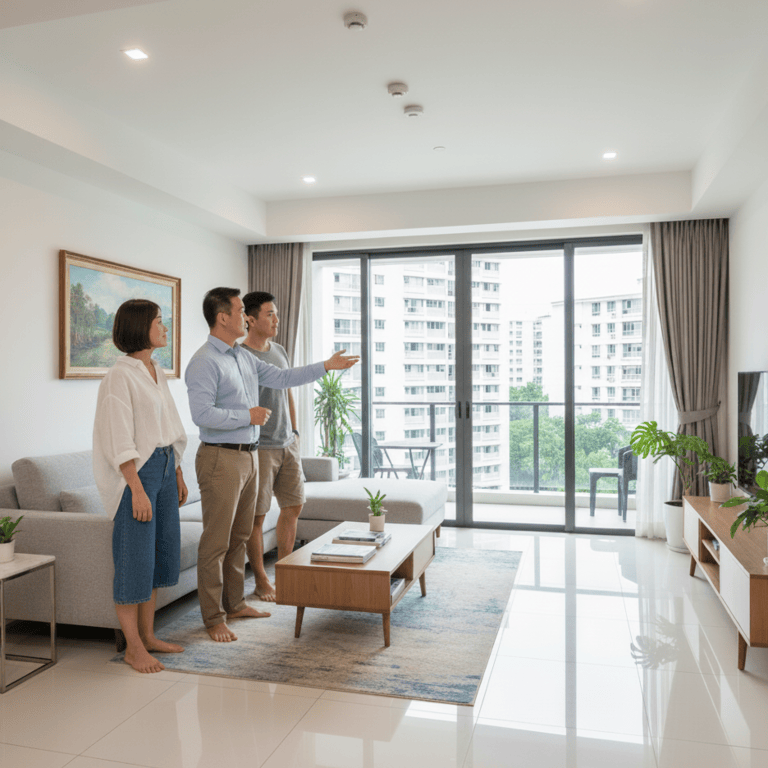
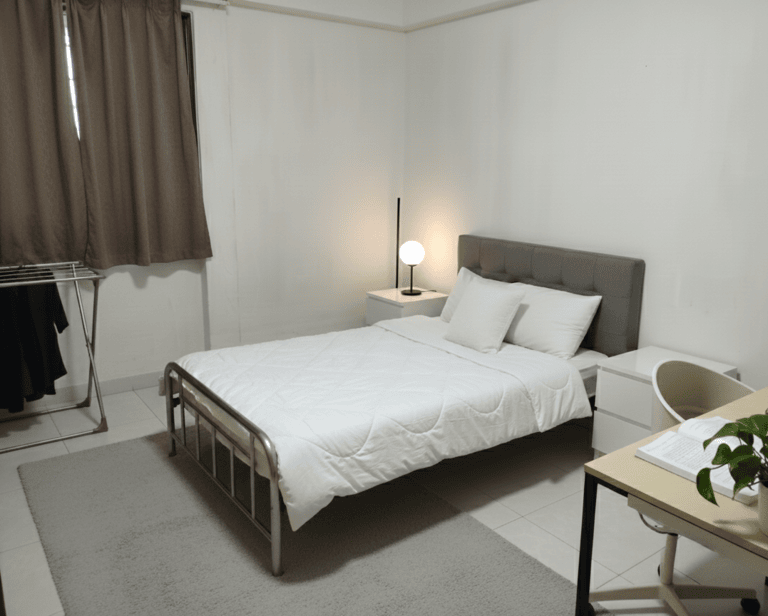
2-bedrooms can work for families with one or two young children, offering more space than a 1-bedroom while remaining affordable. Consider safety features, proximity to schools and parks, whether the layout allows parents to supervise children, and if there's adequate storage for family belongings and toys.
Scan for groceries, eateries, clinics, and childcare nearby. Check sheltered walkways and bus stops. If you exercise outdoors, look for simple parks and fitness corners. Everyday errands become easier when essential services are within a short, comfortable stroll.
Make sure all friends are named on the lease so everyone is equally responsible. Agree clearly on how to split rent and bills, and set basic house rules early on to avoid misunderstandings. Also decide what happens if someone moves out before the lease ends, since you’re all responsible together.
For two roommates, equal-sized bedrooms (and ideally two bathrooms) are preferable. For a small family, a larger master and a smaller second bedroom (for a child or study) works fine. So it depends: roommates usually want a balanced layout, while families can manage with one bigger and one smaller room.
Studio entertaining requires creativity due to limited space. Use folding furniture and multi-purpose items to accommodate guests. Consider the noise impact on neighbors in compact buildings. Overnight guests will need to sleep in your main living space, which affects your privacy. Plan gatherings during times when space can be reconfigured for socializing.
Ventilation and sunlight can make a small room feel more comfortable and livable. Natural light makes the space feel more open and pleasant, and it can even improve your mood. See if it has a window that opens to outdoors (and not just into a corridor or airwell). Good ventilation and light are key for your daily comfort in that space.
1-bedroom units often share walls with neighbors, so consider sound insulation when choosing. Units facing busy streets or playgrounds may have more noise. Check if bedrooms share walls with neighbors' living areas or bathrooms. Corner units typically offer better privacy and less noise from neighbors, though they may cost slightly more.
When relocating from overseas, arrange virtual viewings through video calls, request detailed photos and floor plans, and consider hiring a local representative for in-person viewings. Time viewings carefully around your arrival date, and prepare to make quick decisions in Singapore's fast-moving market. Have all required documents ready digitally, and consider temporary accommodation for your first few weeks to allow for proper in-person viewing before committing long-term.