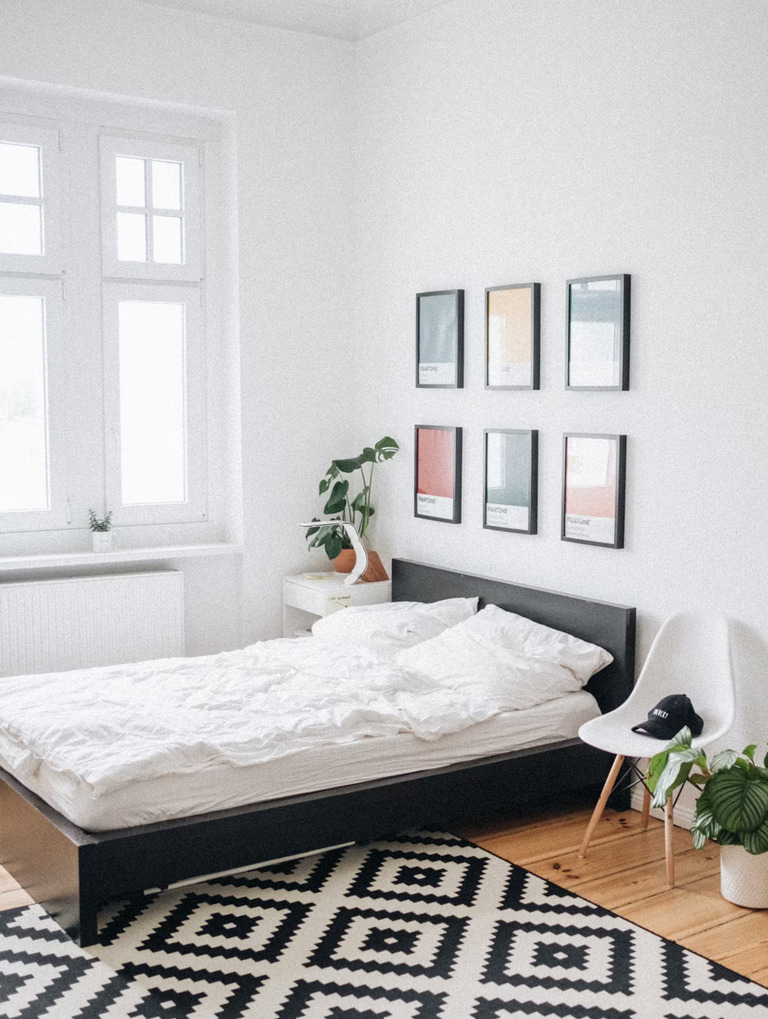
Look for sun exposure, corridor traffic, and window seals. Older blocks may show wear, so check for water stains, spalling, and musty smells. Test airflow with windows open and closed to understand heat buildup and ventilation effectiveness.
Scan for groceries, eateries, clinics, and childcare nearby. Check sheltered walkways and bus stops. If you exercise outdoors, look for simple parks and fitness corners. Everyday errands become easier when essential services are within a short, comfortable stroll.
Use thick curtains or blinds, consider a white noise machine for sound privacy, and establish quiet hours with housemates. Create personal space within your room with furniture arrangement, and communicate your need for privacy respectfully. Good locks and personal storage help maintain security.
Rental demand typically peaks during university intake periods (July-August and January) and expat relocation seasons (June-August and December-January). Prices may be higher during these periods. Consider timing your search during off-peak months for better deals and more negotiating power. Chinese New Year period often sees reduced activity.
HDB regularly upgrades older estates with new lifts, facades, or facilities. While improvements are beneficial long-term, they can cause temporary noise, dust, and access disruptions. Check if any upgrading is planned during your lease period and how it might affect your daily routine and rent.
Request to see the landlord's NRIC and property ownership documents or tenancy agreement if they're a main tenant. Check property records through official channels if needed. Be wary of landlords who refuse to meet in person, demand cash-only payments, or pressure for immediate decisions. Legitimate landlords will provide proper documentation and allow reasonable verification time.
Living alone can be isolating, so actively build social connections through neighborhood activities, building events, co-working spaces, or hobby groups. Consider inviting colleagues or friends over regularly, join community centers or sports clubs nearby, and maintain regular contact with family and friends. Balance the privacy benefits of solo living with intentional social engagement.
Common deductions include excessive cleaning needs, damaged furniture or fixtures, unpaid utilities, missing keys or access cards, and alterations made without permission. Normal wear and tear should not be deducted. Take detailed photos at move-in and move-out to document the property's condition. Keep all receipts for any repairs or replacements you make.