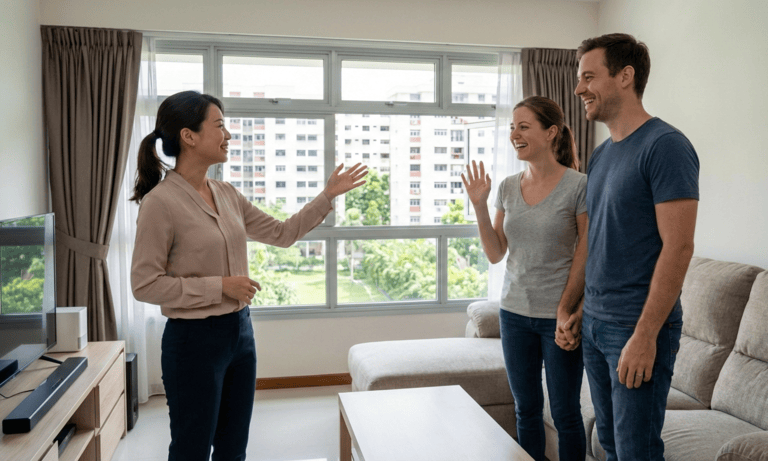
Verify the main tenant has landlord approval to sublet by asking to see the original lease agreement. For HDB rooms, check that the flat meets minimum occupancy requirements and ethnic quota rules. Ensure the person renting to you is actually authorized - meet them in person and verify their identity. Get everything in writing including house rules, deposit terms, and notice periods. Be wary of cash-only transactions or reluctance to provide documentation.
Master rooms command premium rent due to size and ensuite access. Research comparable listings to understand market rates. Consider negotiating longer lease terms for rent stability, or ask about inclusive utility caps to manage higher consumption costs. Some landlords offer furnished master rooms - evaluate if the premium is worth the convenience.
Large units require more planning for furniture placement, multiple trips, and potentially professional movers. Book moving services early, plan room assignments in advance, and coordinate utility connections. Consider hiring cleaning services and factor in longer setup time to make the large space feel like home.
Take advantage of amenities to justify higher rent costs. Use the gym instead of paying for external memberships, utilize the pool for exercise and relaxation, and book function rooms for gatherings. Many condos offer additional services like concierge, dry cleaning pickup, or maintenance services. Factor these conveniences into your rental value assessment.
If you rent a common room, you’ll likely share a bathroom with one or more housemates. Agree on morning and evening peak times, cleaning duties, and storage space for toiletries. A shower caddy and labeled shelves reduce friction. Expect to compromise a little on timing and cleanliness habits, but overall, as long as everyone is considerate (cleaning hair from the drain, not hogging the bathroom for an hour), sharing a bathroom is manageable.
Aim to return the home in similar condition, focusing on kitchens, bathrooms, and flooring. Degrease hoods, wipe seals, and clear drains. Replace spent bulbs and wash removable filters. Provide dated photos after cleaning to support a smooth deposit outcome.
HDB estates periodically undergo upgrading works that can last months. This includes lift upgrading, facade improvements, and infrastructure updates. Renovation noise from neighbors is also common and allowed during specific hours (usually 9am-6pm on weekdays). Check if any major upgrading works are planned for your block before signing a lease.
Older HDB flats have a rubbish chute inside – make sure its lid seals well to keep out odours and pests. Newer flats use a shared chute on each floor. If your flat is near that chute, you might catch an occasional smell, but it’s usually minor if kept clean.