Condo living offers natural opportunities to meet neighbors through shared facilities like pools, gyms, and BBQ areas. Be respectful of facility rules and considerate of others' usage. Participate in condo events or activities if available. However, respect privacy - some residents prefer minimal interaction. Building good relationships can lead to helpful neighbors and a more pleasant living experience.
Living alone means being prepared for emergencies like power outages, water leaks, or medical issues. Keep emergency contacts readily available, know your building's security and maintenance procedures, maintain a basic first aid kit, and establish check-in routines with family or friends. Know your neighbors and building management for urgent situations when you can't reach your landlord.
Common arrangements include parents' master bedroom, children's shared room, and a guest/study room. Some families give each child their own room, while others use one as a home office or playroom. Consider your family's current and future needs, including whether children will want separate rooms as they grow.
Teenagers require more privacy and independence than younger children. Consider bedroom assignments that provide adequate separation from parents and siblings, ensure good soundproofing for music and phone calls, and discuss household rules about friends visiting. Plan for increased utility usage and potential need for additional internet bandwidth or separate study spaces.
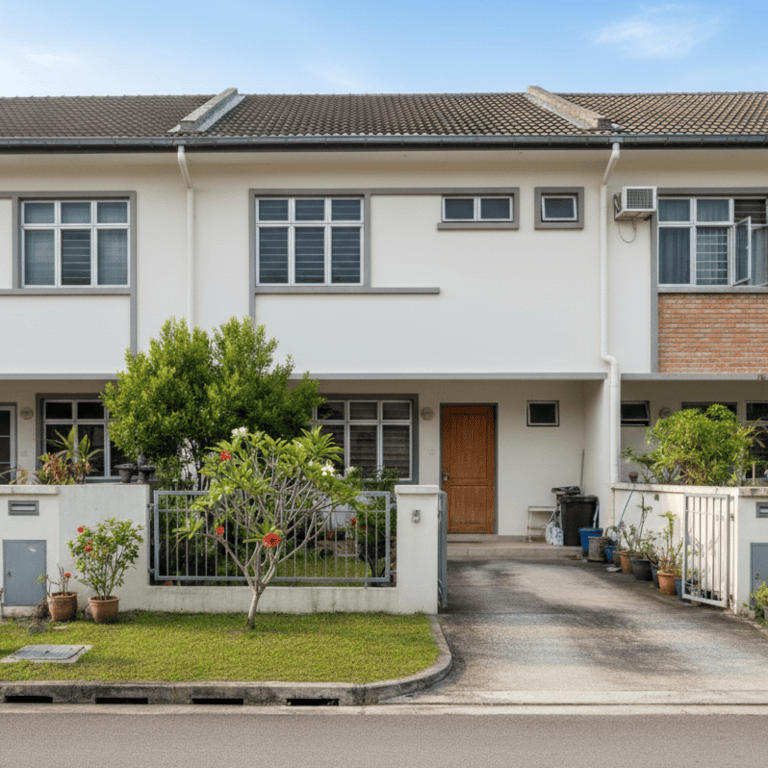
HDB 2-bedroom units offer more space and value but fewer amenities. Condo 2-bedrooms cost more but include facilities like pools and gyms. Landed 2-bedroom units (rare) provide maximum privacy and space but highest costs. Consider your priorities: budget and space (HDB), amenities and lifestyle (condo), or privacy and outdoor space (landed).
Use light colors, mirrors, and good lighting to create an illusion of space. Choose compact, multi-functional furniture and utilize vertical storage. Keep the room uncluttered, use under-bed storage, and consider whether you can use some shared areas for activities like studying or relaxing.
Keep drains clear, cover bins, and avoid standing water in trays or pots. Check window screens and door seals. Store food in sealed containers. Trim bushes and grass regularly to reduce hiding spots for pests, and consider periodic pest control if the area is prone to bugs.
Prepare a list of questions about utilities, maintenance, lease terms, and neighborhood amenities. Bring a measuring tape for furniture planning and take photos/videos for later comparison. Check water pressure, electrical outlets, mobile reception, and natural light. View properties at different times if possible to assess noise levels and traffic patterns.