Air-con significantly impacts electricity bills in Singapore's climate. Discuss usage patterns with housemates - some prefer it only at night, others need it during work-from-home hours. Agree on temperature settings (24-26°C is efficient) and whether common areas should be cooled. Consider individual room usage tracking or splitting bills proportionally based on usage patterns.
Check the corridor and lift situation. If it’s a common corridor, people pass right by your door or window, affecting privacy. Corner units are quieter. Also see if the lift stops on your floor (some older blocks don’t), as you might need to take stairs if not.
While landlords pay maintenance fees directly, these costs often influence rental prices. Understand what facilities and services these fees cover, as higher fees might mean better maintenance and amenities. Ask about any special assessments or major repair works that might affect the building during your tenancy.
For kids, safety is key. Look for window grilles or child locks if you’re in a high-rise. If there’s a balcony, ensure it’s safe (you might add netting or grilles). Choose rounded furniture edges and secure bookshelves. A simple toy storage system keeps clutter controlled and reduces tripping hazards during busy mornings.
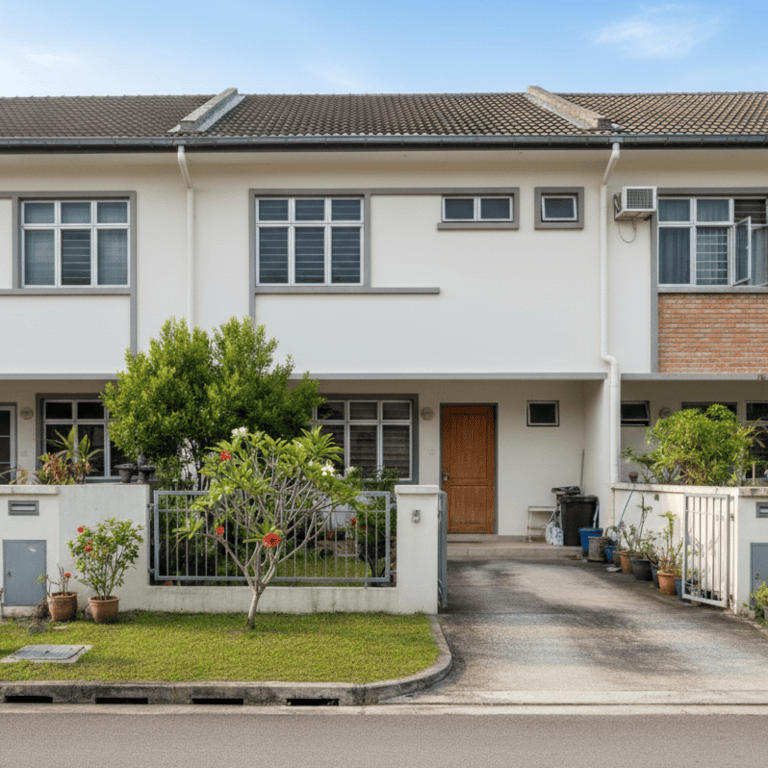
Landed houses often have higher utility consumption due to larger spaces and multiple floors. Air-conditioning costs can be significant with bigger rooms and common areas. Water usage may be higher with garden watering. Discuss how utilities are split among housemates and whether there are caps or guidelines for usage to avoid bill shock.
1-bedroom units often share walls with neighbors, so consider sound insulation when choosing. Units facing busy streets or playgrounds may have more noise. Check if bedrooms share walls with neighbors' living areas or bathrooms. Corner units typically offer better privacy and less noise from neighbors, though they may cost slightly more.
Consider your long-term needs and budget carefully. 4-bedroom units cost significantly more in rent and utilities, but offer future flexibility as families grow. The extra space can serve as home offices, guest rooms, or hobby areas. However, if you won't use the space effectively, a 3-bedroom might be more economical. Factor in the cost per square foot and your actual space utilization.
If you rent a common room, you’ll likely share a bathroom with one or more housemates. Agree on morning and evening peak times, cleaning duties, and storage space for toiletries. A shower caddy and labeled shelves reduce friction. Expect to compromise a little on timing and cleanliness habits, but overall, as long as everyone is considerate (cleaning hair from the drain, not hogging the bathroom for an hour), sharing a bathroom is manageable.