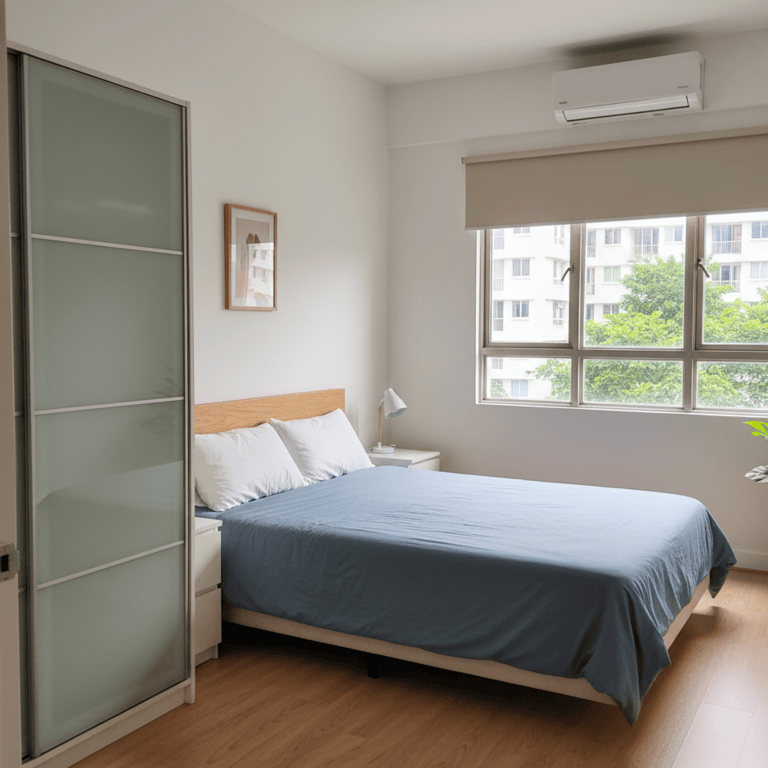
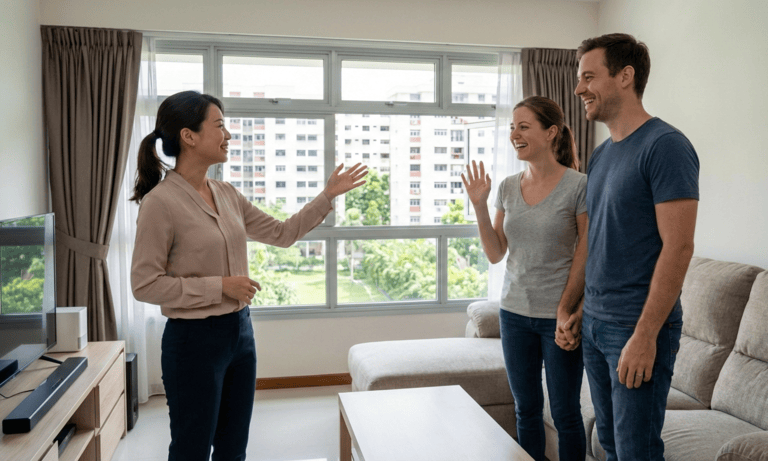
HDB estates often have nearby markets, food courts, clinics, schools, and community centers. Many have playgrounds, fitness corners, and resident committee activities. Check proximity to essential services, public transport, and whether the estate has active community programs that might interest you.
For kids, safety is key. Look for window grilles or child locks if you’re in a high-rise. If there’s a balcony, ensure it’s safe (you might add netting or grilles). Choose rounded furniture edges and secure bookshelves. A simple toy storage system keeps clutter controlled and reduces tripping hazards during busy mornings.
Most 4-bedroom units have one master bedroom with ensuite, and three smaller bedrooms sharing 1-2 additional bathrooms. Some premium units offer two master suites. Common areas typically include larger living/dining spaces and bigger kitchens to accommodate family needs. Check if bedrooms are clustered together or spread throughout the unit for privacy considerations.
Check all door and window seals, clear gutters and drains, and ensure proper drainage around the house. Test sump pumps if present and know where water shut-offs are located. Prepare sandbags or flood barriers if the area is prone to flooding. Trim overhanging branches that could fall during storms and secure outdoor furniture.
Master rooms often face away from common corridors and have better sound insulation. The ensuite means fewer bathroom queue interactions with housemates. Larger windows might offer better views and natural light. However, check if the master room faces busy streets or neighboring blocks, which could impact privacy and noise levels.
Living alone can be isolating, so actively build social connections through neighborhood activities, building events, co-working spaces, or hobby groups. Consider inviting colleagues or friends over regularly, join community centers or sports clubs nearby, and maintain regular contact with family and friends. Balance the privacy benefits of solo living with intentional social engagement.
Clarify whether you can use gardens, patios, or outdoor areas, and what maintenance responsibilities you might have. Some landlords allow tenants to use outdoor spaces for relaxation or small gatherings, while others restrict access. Understand any rules about outdoor furniture, plants, or modifications.
1-bedroom units offer better work-life separation than studios with a dedicated bedroom for sleep and living area for work. You can have video calls without showing your bed, and maintain professional backgrounds. However, the limited space means you'll need efficient furniture and good organization. Consider noise levels from neighbors and ensure good internet connectivity for reliable remote work.