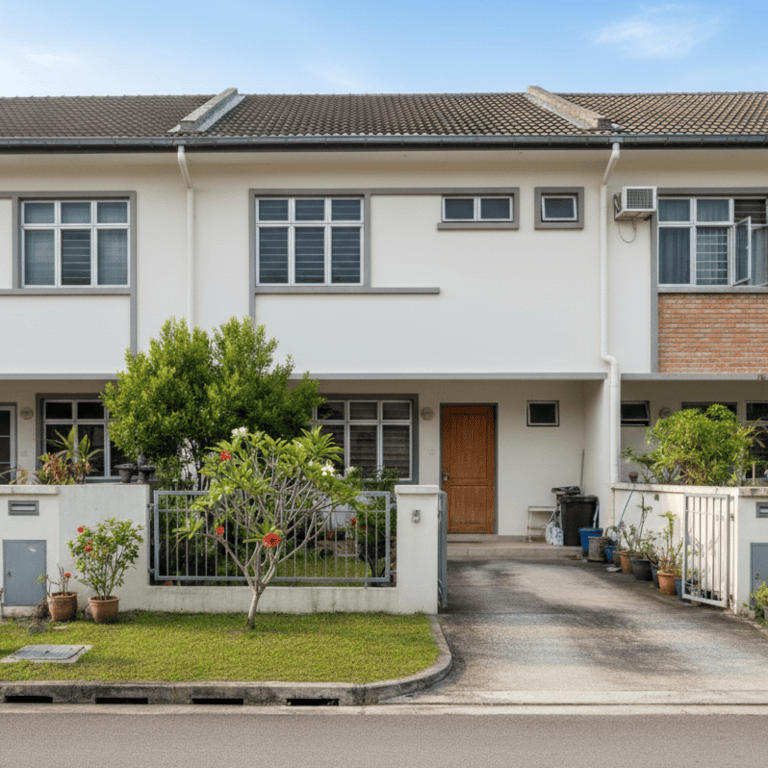
Landed houses can attract more pests (like mosquitoes, ants) since they’re at ground level and have gardens. Check for window screens and ask if regular pest control is done. Also look for water stains or damp spots that could signal roof or drainage leaks.
Corner units typically offer better ventilation, more natural light, additional windows, and sometimes larger layouts. They may also have less shared walls with neighbors, providing more privacy. However, they might be more expensive and could be noisier if facing main roads or having more external exposure.
With more people and activities, noise management becomes important for family harmony and neighbor relations. Check sound insulation between rooms, whether bedrooms are clustered together, and if living areas are separated from sleeping areas. Consider carpet or rugs for sound dampening.
Ask about work schedules, sleep schedules, social habits, cleanliness, and how issues are handled. If one of you is very neat and the other more casual, it could cause friction. Observe fridge organization, sink state, and bathroom tidiness during viewing. Look for someone whose daily routine and approach to shared living align well with yours. Trust your instincts – feeling comfortable with their personality is a good sign.
Sharing reduces rental costs and can provide companionship, but requires compatibility and clear agreements about shared spaces, expenses, and lifestyle habits. Consider whether both bedrooms are equally desirable, how to split utility costs fairly, and what happens if one person wants to move out early.
Yes. It should clearly state the monthly rent, the security deposit amount and conditions for return, what’s included in the rent (for example, are utilities or Wi-Fi covered?), the length of stay/notice period, and any specific house rules or restrictions. This protects both you and the landlord (or main tenant) by ensuring everyone knows the terms. Also, confirm that the landlord has approval to rent out the room (especially important in HDB flats, where there are rules on room rentals).
A master bedroom (with an attached bathroom) is ideal if you value extra space and privacy. It’s great for couples or individuals who want more room and their own bathroom. You get a larger area to yourself, which is nice if you work from your room or just like having a private bathroom and more storage. If your budget allows and you prefer not to share a bathroom, a master bedroom is a good choice.
HDB regularly upgrades older estates with new lifts, facades, or facilities. While improvements are beneficial long-term, they can cause temporary noise, dust, and access disruptions. Check if any upgrading is planned during your lease period and how it might affect your daily routine and rent.