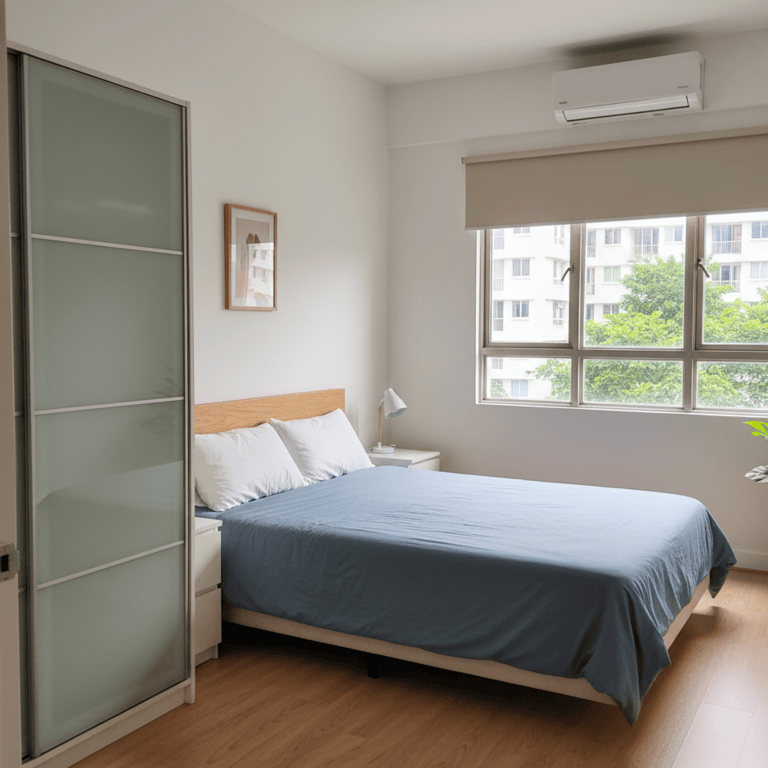
A lot of 1-bedroom units have small bedrooms. A queen-size bed usually fits, but a king-size might be a tight squeeze. With a king, you might have little room left for bedside tables or a dresser. Always check the room dimensions beforehand to ensure you can still move around comfortably.
Landed properties may require different maintenance approaches for multiple levels, outdoor areas, and potentially more complex systems. Understand your responsibilities versus the landlord's, know how to access different areas safely, and establish procedures for reporting issues. Consider whether you're comfortable with the maintenance demands of a larger property.
Check window seals and drainage before rainy season starts. Ensure you have adequate ventilation to prevent mold in humid conditions. Stock up on dehumidifiers or moisture absorbers. Know how to operate all fans and air-con units efficiently. Test that umbrellas and rain gear are accessible, and understand evacuation procedures if your area is flood-prone.
Compare price per square foot with similar units, factor in included utilities and amenities, and consider location convenience. A slightly higher rent might be worth it for better layout, natural light, or building facilities. Consider long-term costs like transportation and whether the space meets your actual needs.
For multiple generations, prioritize accessibility and privacy. Make sure one bedroom for grandparents is easy to reach (no stairs) and near a bathroom. A 4-bedroom with a second en-suite (junior master) is ideal to give older parents their own space. Ensure there's plenty of common area for family gatherings, but also enough rooms or corners for privacy when needed. That way, everyone has a comfortable room and nobody feels cramped.
Singapore's vibrant food delivery scene means lots of packages arriving. Establish rules about receiving deliveries for absent housemates, sharing delivery fees for group orders, and storing food in shared fridges. Label your items clearly and respect others' food. Consider setting up group orders for popular restaurants to save on delivery fees.
Condo management committees can make decisions about facility usage, renovation rules, and additional charges that affect tenants. While you can't vote, stay informed about upcoming decisions through your landlord. Major changes like facility closures or new rules may impact your rental experience. Good landlords will communicate these changes and their implications.
Be wary of listings with prices significantly below market rate, requests for payment before viewing, or landlords who can't meet in person. Verify ownership through property records if possible. Never transfer large sums without seeing the property and meeting the actual landlord or authorized agent. Use secure payment methods and get proper receipts for all transactions.