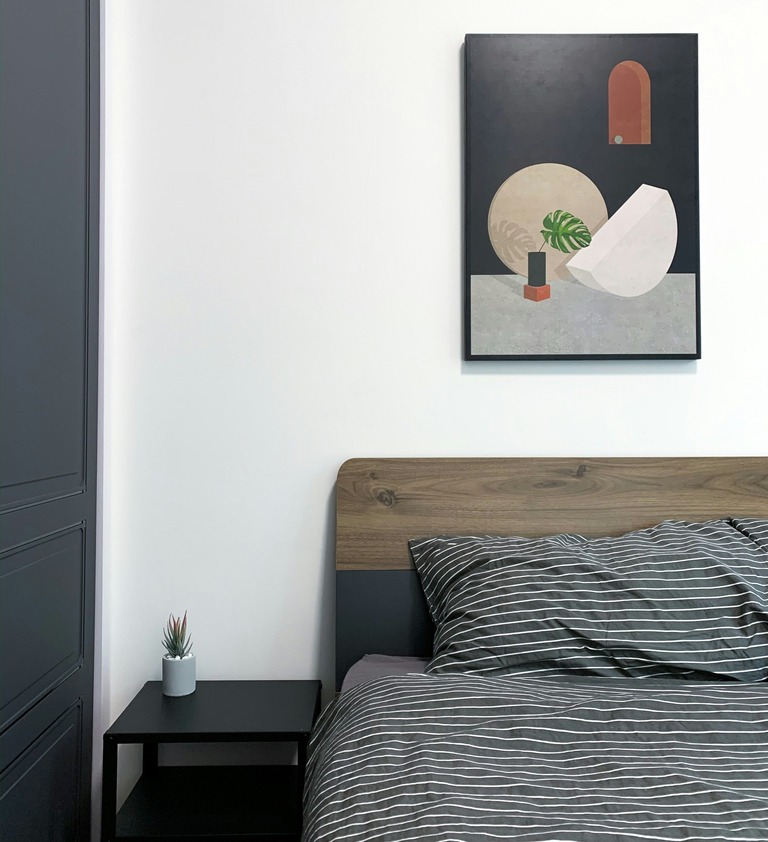
Compare total costs including utilities, factor in privacy benefits and not having to share common areas with housemates. Consider whether the studio's location, amenities, and independence justify potentially higher costs than a room rental. Think about your lifestyle preferences and need for personal space.
Pros include spacious living, private outdoor space, parking, and quiet neighborhoods. Cons include higher costs, longer commutes to city centers, more maintenance responsibilities, and potentially fewer international amenities nearby. Consider proximity to international schools, expat communities, and whether the space justifies the premium over condos with more services.
Common arrangements include parents' master bedroom, children's shared room, and a guest/study room. Some families give each child their own room, while others use one as a home office or playroom. Consider your family's current and future needs, including whether children will want separate rooms as they grow.
Master rooms offer more privacy for hosting but require coordination with housemates about guest policies. Clarify overnight guest limits, shared area usage when you have visitors, and whether guests can use common facilities. Be considerate about noise levels and bathroom queue times when hosting. Your ensuite provides privacy but ensure guests understand house rules and respect other tenants' space.
More space means more maintenance responsibilities. Budget extra time and money for cleaning, air-con servicing for multiple units, and potential repairs across more rooms. Consider hiring help for regular cleaning or establish clear maintenance schedules if sharing. More space also means higher wear and tear on common areas.
Check the corridor and lift situation. If it’s a common corridor, people pass right by your door or window, affecting privacy. Corner units are quieter. Also see if the lift stops on your floor (some older blocks don’t), as you might need to take stairs if not.
Use multi-functional furniture like storage beds, extendable dining tables, and wall-mounted desks. Create defined zones with room dividers or furniture placement. Utilize vertical storage, under-stair spaces, and consider whether the living area can double as a workspace or guest room when needed.
Choose multi-functional furniture like a loft bed with desk underneath or storage ottomans. Use mirrors to create illusion of space and maximize natural light with light-colored curtains. Vertical storage solutions like wall-mounted shelves save floor space. Keep the room clutter-free and consider a small fan for better air circulation if the room feels stuffy.