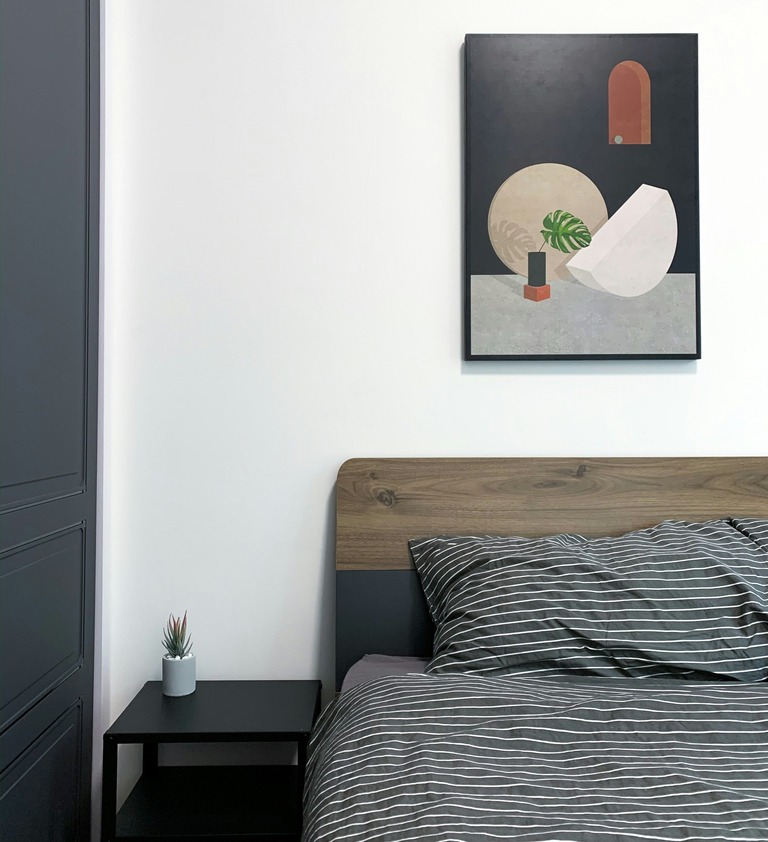
Expect practical living with access to eateries, clinics, and everyday services nearby. Community spaces encourage casual interaction. Focus on block cleanliness, lift reliability, and nearby shops. Daily errands are usually straightforward without needing long travel or planning.
Verify the main tenant has landlord approval to sublet by asking to see the original lease agreement. For HDB rooms, check that the flat meets minimum occupancy requirements and ethnic quota rules. Ensure the person renting to you is actually authorized - meet them in person and verify their identity. Get everything in writing including house rules, deposit terms, and notice periods. Be wary of cash-only transactions or reluctance to provide documentation.
Yes – condos strictly limit renovation noise to certain hours. Loud work (like drilling) is only allowed on weekday daytimes (no noisy construction at night or on Sundays). Any repairs or renovation you plan must also be scheduled within the allowed daytime hours.
Confirm whether you’ll park on a driveway or street and how visitors should park. Test gate mechanisms and night lighting. If you own bicycles or scooters, ensure secure storage and a practical route without lifting heavy equipment up stairs.
For kids, safety is key. Look for window grilles or child locks if you’re in a high-rise. If there’s a balcony, ensure it’s safe (you might add netting or grilles). Choose rounded furniture edges and secure bookshelves. A simple toy storage system keeps clutter controlled and reduces tripping hazards during busy mornings.
Be wary of listings with prices significantly below market rate, requests for payment before viewing, or landlords who can't meet in person. Verify ownership through property records if possible. Never transfer large sums without seeing the property and meeting the actual landlord or authorized agent. Use secure payment methods and get proper receipts for all transactions.
Generally, HDB flats are most affordable, condominiums cost 30-50% more than comparable HDB units, and landed houses are the most expensive. However, prices vary significantly by location - a prime location HDB might cost more than a suburban condo. Factor in additional costs like condo maintenance fees, landed house utilities, and transport expenses when comparing total housing costs.
Condo living often attracts young professionals and expatriates, creating diverse, international housemate communities. Expect higher living standards and potentially more transient housemates who may move frequently for work. The facilities create natural social opportunities - you might meet neighbors at the pool or gym. However, this can also mean more temporary relationships compared to HDB community living.