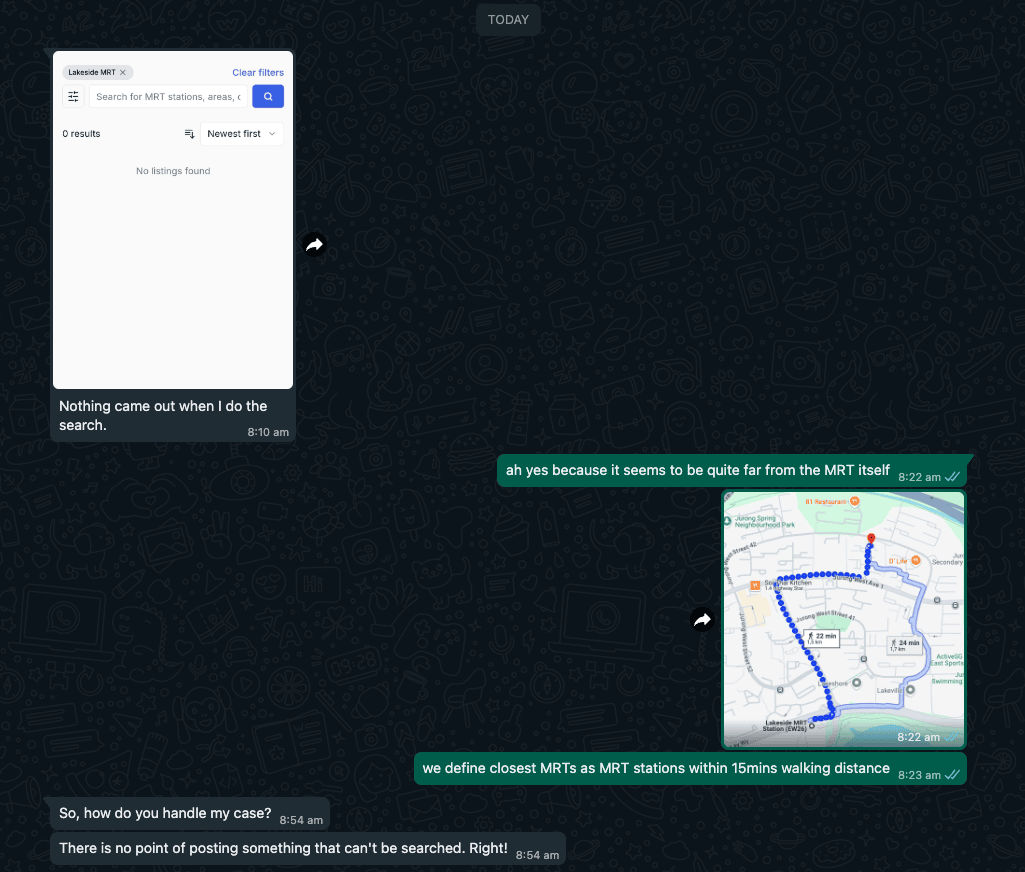
Generally, yes. Landed homes are often in quieter residential areas, so public transport might be a longer walk away. If you don’t drive, check how close the nearest bus stop or MRT is. You’re gaining a quiet environment but giving up some convenience of easy transport access.
Landed houses may have multiple entry points, ground-level access, and outdoor areas requiring different security considerations. Check all locks, consider motion sensors or security systems, and understand neighborhood security patterns. Establish routines for securing the property and coordinate with neighbors if appropriate.
Lower floors offer easier access during elevator outages and lower utility costs, but may have noise from foot traffic, security concerns, and limited views. Higher floors provide better views, less noise, and more privacy, but depend on elevators and may have higher cooling costs. Mid-level floors (3rd-8th) often balance these factors well. Consider your mobility needs, noise tolerance, and whether views matter to your daily comfort.
Yes. It should clearly state the monthly rent, the security deposit amount and conditions for return, what’s included in the rent (for example, are utilities or Wi-Fi covered?), the length of stay/notice period, and any specific house rules or restrictions. This protects both you and the landlord (or main tenant) by ensuring everyone knows the terms. Also, confirm that the landlord has approval to rent out the room (especially important in HDB flats, where there are rules on room rentals).
Condos have security and access controls. You’ll get a resident card or fob for gates and lifts. Visitors usually need to sign in at the guardhouse, and you might have to approve them. Know your condo’s guest procedure so friends can visit smoothly.
Use thick curtains or blinds, consider a white noise machine for sound privacy, and establish quiet hours with housemates. Create personal space within your room with furniture arrangement, and communicate your need for privacy respectfully. Good locks and personal storage help maintain security.
Check the agreement for notice and replacement terms. Align on advertising, viewings, and how utilities are split during the gap. Keep shared costs transparent so no one subsidizes unfairly. Get approvals in writing before a new person joins.
Use multi-functional furniture and vertical space. For example, a bed with drawers underneath or shelves up high on the walls adds storage without taking floor space. Declutter regularly and use hidden storage (like ottomans or coffee tables with compartments) to keep your studio organized.