Condos have by-laws residents must follow. Common rules cover noise (quiet hours), visitor sign-ins, proper garbage disposal, and use of shared facilities. Ask your landlord about any specific condo rules. Abiding by them will keep you out of trouble with management and neighbors.
Make sure all friends are named on the lease so everyone is equally responsible. Agree clearly on how to split rent and bills, and set basic house rules early on to avoid misunderstandings. Also decide what happens if someone moves out before the lease ends, since you’re all responsible together.
You can use a spare bedroom in many ways. It could be your home office or study, a guest room for visitors, or even a hobby room. Some people turn the extra room into a walk-in closet or extra storage. Essentially, it's bonus space you can adapt to your needs.
Renovations are common in HDB estates, so occasional daytime drilling or hacking noise is normal. Work is only allowed during set hours, but it can still be disruptive if a nearby unit is being redone. Know that it’s temporary and typically accompanied by advance notice to residents.
Check that the kitchen has adequate ventilation to prevent cooking smells from overwhelming the living space. Ensure sufficient counter space for meal prep and storage for kitchen essentials. Look for a proper range hood and consider the proximity to your sleeping area. Some studios have kitchenettes with limited cooking capabilities - confirm this meets your culinary needs.
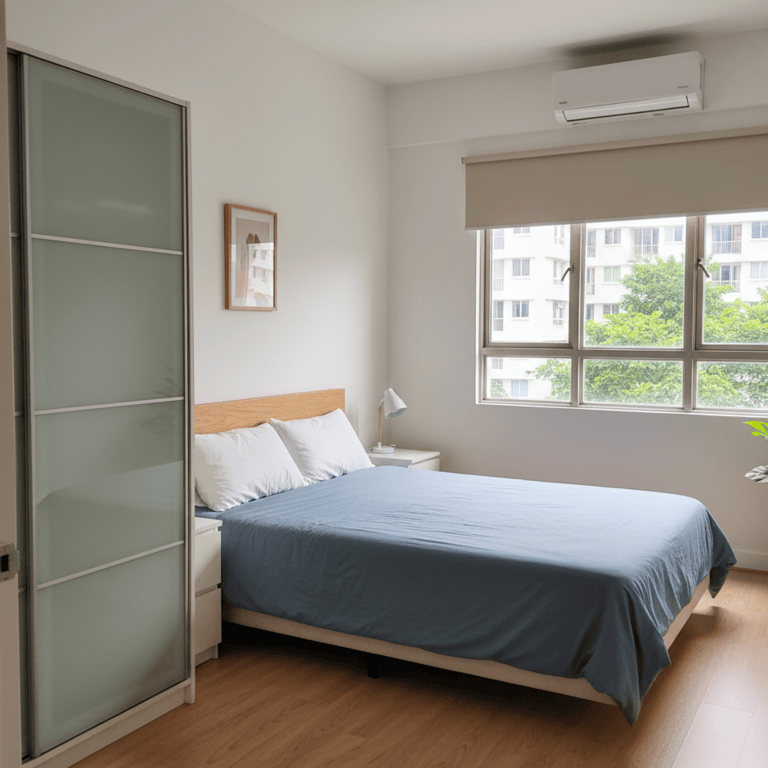
In most 3-bedroom flats, bedrooms are grouped away from the living area. Often a hallway leads to the bedrooms, separate from the living room. This helps keep noise from TV or guests in the living room from reaching the bedrooms easily.
Report common area issues like lift problems, lighting, or pest control to the town council. For unit-specific issues, coordinate with your landlord first. Understand which maintenance falls under town council responsibility versus landlord/tenant responsibility. Keep town council contact information handy for emergencies.
Condo deliveries usually go through security. If you're not home, couriers often leave parcels at the guardhouse or management office for you to collect later. Some condos will call you or have lockers for packages. Find out your condo's parcel procedure so you don't miss any packages.