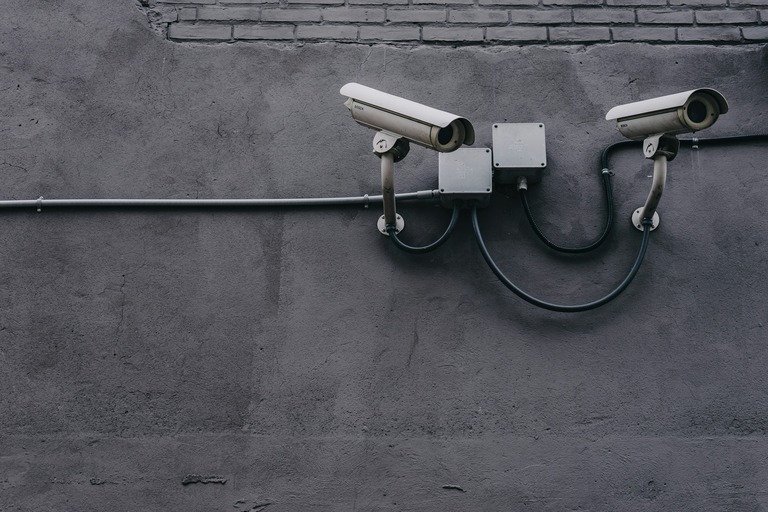
Landed homes lack the security of condos, so you need to be mindful. Always lock doors, windows, and the gate. If you’re on the ground floor, ensure your window has a grille or strong lock. Some houses have alarms or cameras, but day-to-day safety relies on you being vigilant.
Condos regularly conduct fogging for mosquito control, especially during dengue seasons. You'll receive advance notice to close windows and stay indoors during fogging. Remove or cover food, drinks, and personal items that might be affected. Understand the schedule and duration of these activities, and plan your day accordingly. Some buildings also do regular pest control that may require temporary room access.
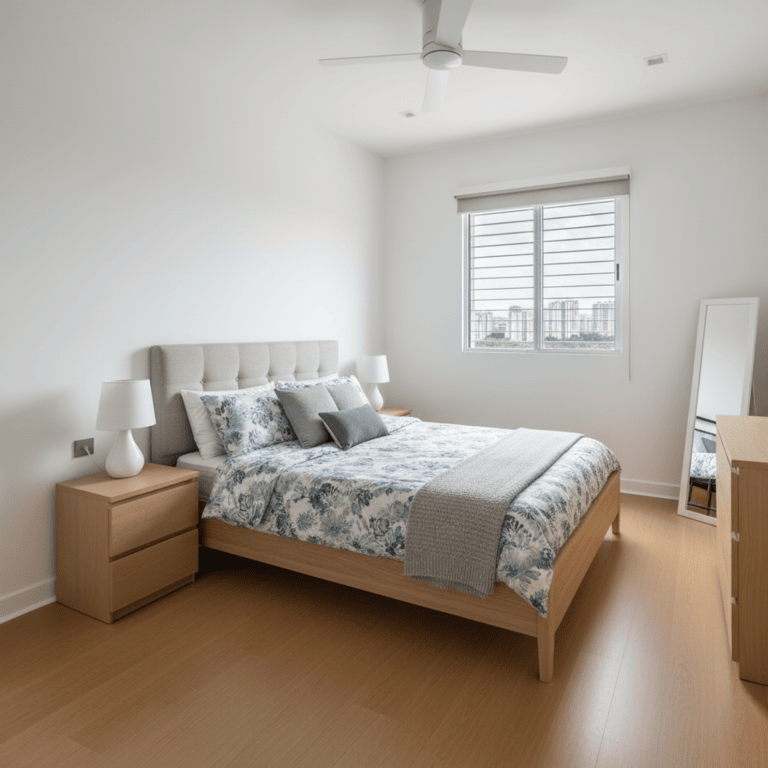
Master rooms typically consume more electricity due to larger space and ensuite bathroom usage. You'll likely run air-con longer, use more lighting, and the ensuite adds water heating costs. Discuss with housemates whether utility splitting accounts for room size differences or if everyone pays equally regardless of consumption.
In most 3-bedroom flats, bedrooms are grouped away from the living area. Often a hallway leads to the bedrooms, separate from the living room. This helps keep noise from TV or guests in the living room from reaching the bedrooms easily.
Master rooms offer more privacy for hosting but require coordination with housemates about guest policies. Clarify overnight guest limits, shared area usage when you have visitors, and whether guests can use common facilities. Be considerate about noise levels and bathroom queue times when hosting. Your ensuite provides privacy but ensure guests understand house rules and respect other tenants' space.
Air-con significantly impacts electricity bills in Singapore's climate. Discuss usage patterns with housemates - some prefer it only at night, others need it during work-from-home hours. Agree on temperature settings (24-26°C is efficient) and whether common areas should be cooled. Consider individual room usage tracking or splitting bills proportionally based on usage patterns.
Aim to return the home in similar condition, focusing on kitchens, bathrooms, and flooring. Degrease hoods, wipe seals, and clear drains. Replace spent bulbs and wash removable filters. Provide dated photos after cleaning to support a smooth deposit outcome.
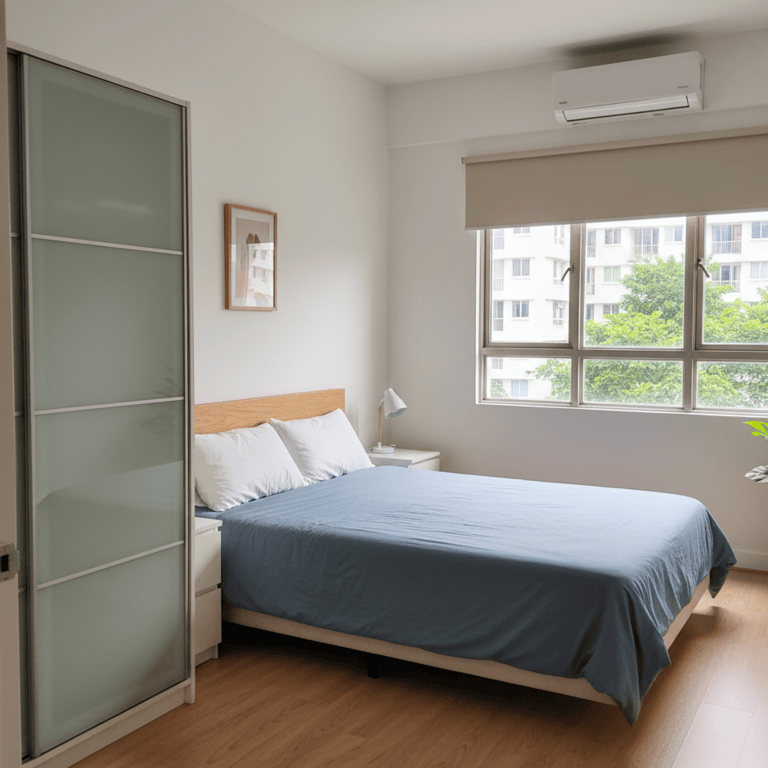
A common bedroom (smaller room without attached bath) is usually a fit for single renters who want a more budget-friendly option. You’ll trade privacy for affordability, so focus on good housemate fit, clear rules, and a layout that gives you a calm place to unwind.