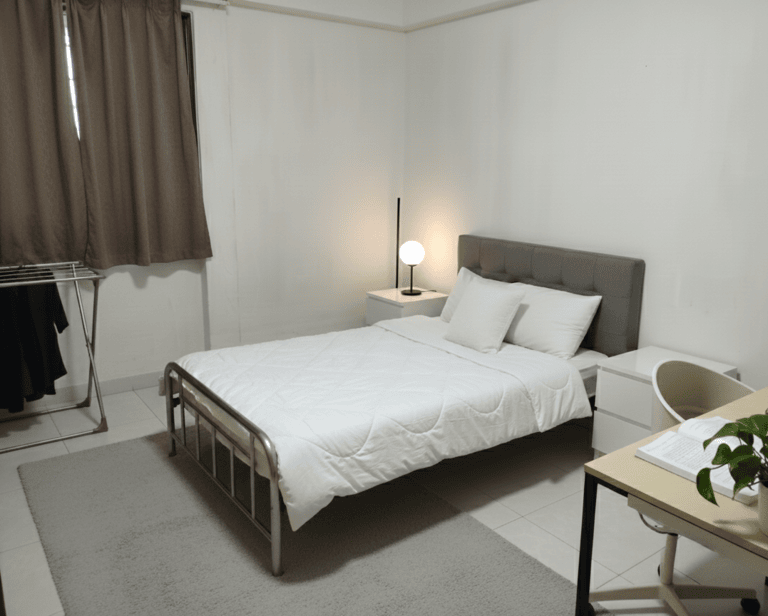
Master rooms cost more because they’re typically the largest room and come with an attached bathroom. You’re paying a premium for the extra space, privacy, and convenience. They may also get better wardrobes, windows, and layout. Premiums vary by location, building type, and whether utilities are included.
Many require a booked timeslot for lift padding and may collect a refundable deposit. Confirm required forms, booking windows, and whether your landlord handles them. Plan deliveries to match the approved window so movers aren’t turned away unexpectedly.
Address issues early through calm, direct conversation before they escalate. Use 'I' statements to express how situations affect you rather than making accusations. Suggest practical solutions and be willing to compromise. If direct communication fails, involve the landlord or main tenant as a mediator. Document serious issues and consider whether the living situation is sustainable long-term.
No private pools or gyms, but you’ll find community clubs, sports centres, and public pools nearby. Many tenants prefer the neighbourhood feel and everyday convenience.
Compare total costs including utilities, factor in privacy benefits and not having to share common areas with housemates. Consider whether the studio's location, amenities, and independence justify potentially higher costs than a room rental. Think about your lifestyle preferences and need for personal space.
3-bedroom units offer excellent flexibility for families. Start with a master bedroom, nursery, and guest room/study. As children grow, convert the study to a second child's room. The extra space allows for toy storage, play areas, and separate study zones. Consider child-proofing requirements and proximity to good schools when choosing location.
HDB flats are government-built public housing with practical layouts and affordable rent, but fewer amenities. Condominiums are private developments with facilities like pools and gyms, but higher rent and management fees. Landed houses offer the most space and privacy with gardens, but are the most expensive and may be further from public transport. Each serves different lifestyle needs and budgets.
Multi-story landed houses can have complex privacy dynamics with bedrooms on different levels. Consider noise transmission between floors, whether your room has direct access or requires passing through common areas, and how bathroom sharing works across floors. Upper floor rooms may offer more privacy but require consideration of stairs and emergency access.