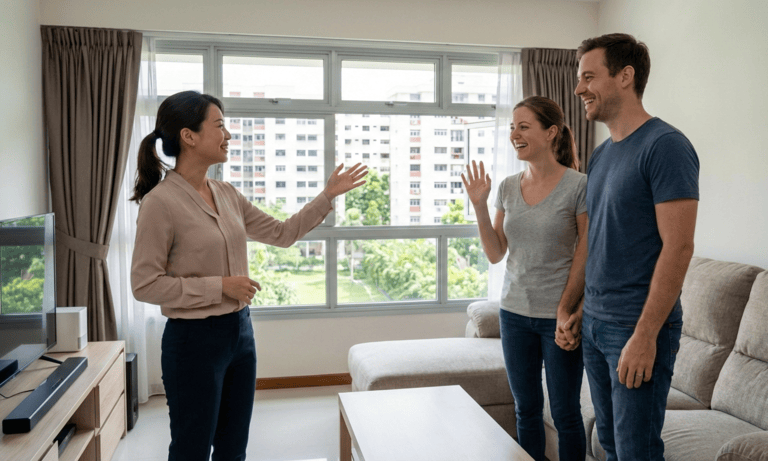
For unit-specific issues, contact your landlord first. For common area problems or facility issues, you can report directly to condo management. Some condos have apps or online portals for maintenance requests. Understand the difference between landlord responsibilities (your unit) and management responsibilities (common areas) to report issues to the right party efficiently.
HDB flats are government-built public housing with practical layouts and affordable rent, but fewer amenities. Condominiums are private developments with facilities like pools and gyms, but higher rent and management fees. Landed houses offer the most space and privacy with gardens, but are the most expensive and may be further from public transport. Each serves different lifestyle needs and budgets.
Communicate openly about issues before they escalate, respect shared spaces, be considerate with noise and cleanliness, and contribute fairly to household expenses. Participate in house meetings, be flexible with compromises, and remember that small gestures like shared meals can build positive relationships.
Look for layouts where bedrooms don't directly face each other for better privacy. Check if both bedrooms have windows for natural light and ventilation. Consider whether the kitchen is open or closed to the living area - open kitchens feel spacious but cooking smells spread. Ensure there's adequate storage throughout the unit, not just in bedrooms.
Aside from rent, you cover all ongoing costs. Budget for utilities (electricity, water, gas if any) and internet each month. If the unit has air-con, plan for regular servicing. You’re also responsible for minor maintenance like replacing light bulbs or filters. Basically, all household bills and upkeep fall to you.
Condo living offers natural opportunities to meet neighbors through shared facilities like pools, gyms, and BBQ areas. Be respectful of facility rules and considerate of others' usage. Participate in condo events or activities if available. However, respect privacy - some residents prefer minimal interaction. Building good relationships can lead to helpful neighbors and a more pleasant living experience.
Check the agreement for notice and replacement terms. Align on advertising, viewings, and how utilities are split during the gap. Keep shared costs transparent so no one subsidizes unfairly. Get approvals in writing before a new person joins.
Address issues early through calm, direct conversation before they escalate. Use 'I' statements to express how situations affect you rather than making accusations. Suggest practical solutions and be willing to compromise. If direct communication fails, involve the landlord or main tenant as a mediator. Document serious issues and consider whether the living situation is sustainable long-term.