Common Rooms for Rent near Hillview MRT
9 results
Verified
Verified
Verified
Verified
Verified
Verified
Verified
Verified
You might also like
More Rooms in Singapore →Articles from Hozuko
View all tips and insights from Hozuko →



FAQs
A common bedroom (smaller room without attached bath) is usually a fit for single renters who want a more budget-friendly option. You’ll trade privacy for affordability, so focus on good housemate fit, clear rules, and a layout that gives you a calm place to unwind.
Communicate openly about issues before they escalate, respect shared spaces, be considerate with noise and cleanliness, and contribute fairly to household expenses. Participate in house meetings, be flexible with compromises, and remember that small gestures like shared meals can build positive relationships.
Renovations are common in HDB estates, so occasional daytime drilling or hacking noise is normal. Work is only allowed during set hours, but it can still be disruptive if a nearby unit is being redone. Know that it’s temporary and typically accompanied by advance notice to residents.
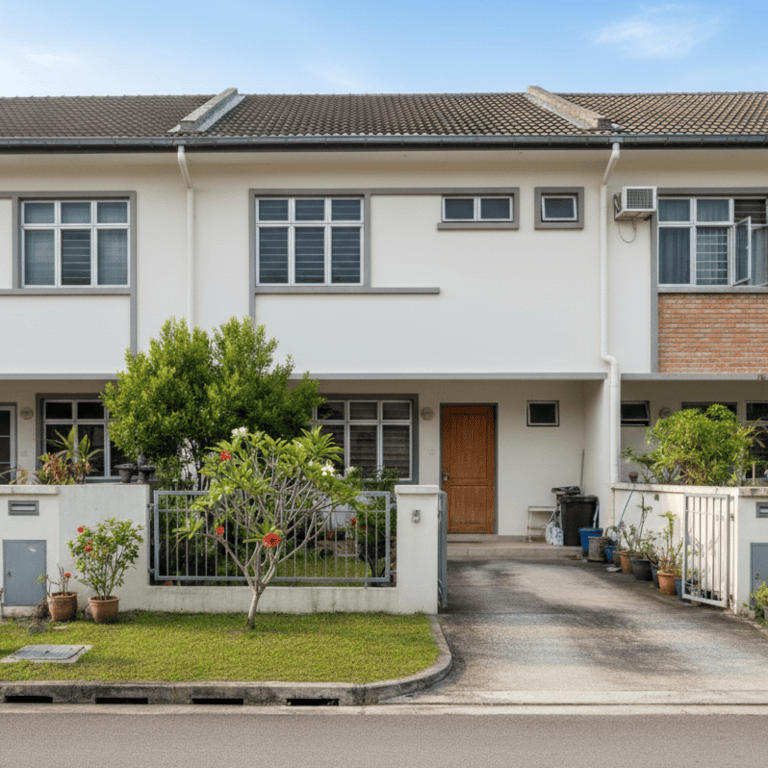
Yes. Many landed homes have two or three storeys, so you'll be using stairs daily. If you have young children or elderly family, consider safety (installing baby gates, sturdy handrails). Different floors give privacy with bedrooms separate from living areas, but you'll also be climbing up and down a lot.
Common rooms may cost up to 40% less than master rooms in the same property. The savings come from smaller size and shared bathroom access. However, factor in potential inconvenience costs like needing backup toiletries or adjusting your schedule around bathroom availability. For budget-conscious renters, the savings often justify the trade-offs.
Not all HDB blocks have lifts on every floor. In some older blocks, the lift may stop only on certain levels, meaning you’d need to take the stairs for a floor or two. Check if the flat’s floor has direct lift access for convenience, especially if you have lots to carry or anyone with mobility issues. (Newer blocks usually have lifts on every floor.)
Deposits are security against damage and unpaid bills, usually returned after handover if conditions are met. Read the break clause carefully, including notice requirements, potential fees, and whether a replacement tenant is allowed. Keep everything documented and dated.
Common arrangements include parents' master bedroom, children's shared room, and a guest/study room. Some families give each child their own room, while others use one as a home office or playroom. Consider your family's current and future needs, including whether children will want separate rooms as they grow.