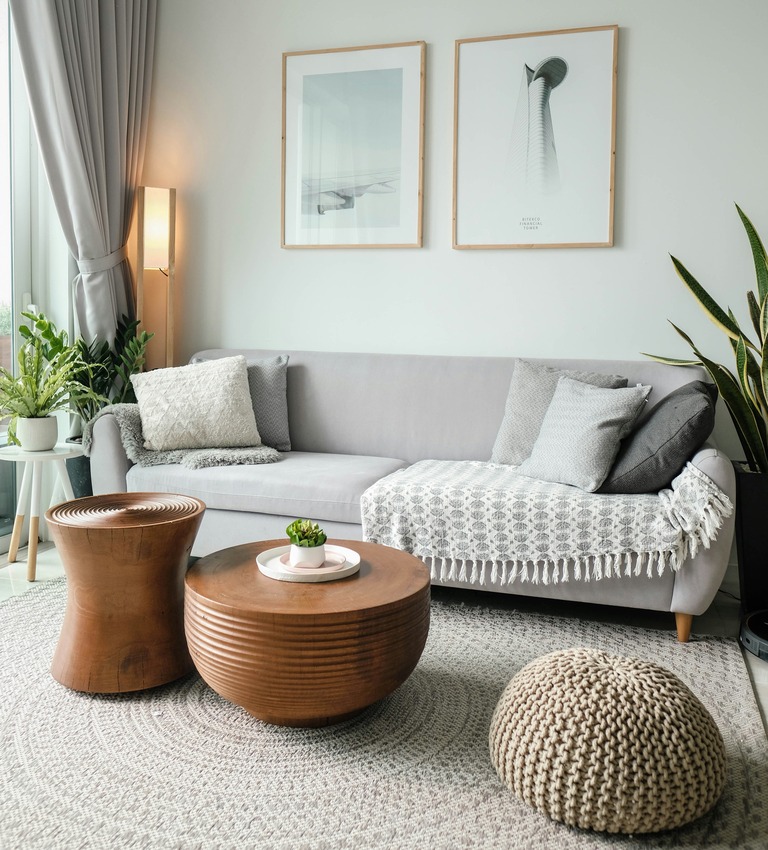
Clarify whether you can use gardens, patios, or outdoor areas, and what maintenance responsibilities you might have. Some landlords allow tenants to use outdoor spaces for relaxation or small gatherings, while others restrict access. Understand any rules about outdoor furniture, plants, or modifications.
Condo deliveries are usually held by security when you’re out. Couriers drop packages at the guardhouse or concierge instead of outside your door. You’ll be notified when something arrives so you can collect it. This keeps parcels secure, but you will need to pick them up from the guard post.
Check whether it’s in the kitchen or bathroom and listen for spin noise near the bed. Ensure there’s a drying area with airflow. If stacking is possible, measure carefully. Quiet operation matters when your sleeping and laundry zones overlap.
Condos often run entirely on electricity (no city gas), so heavy air-con or hot water use can push up the power bill. Expect to split utilities—electricity, water, internet—with housemates. Clarify your share and which bills are included in your rent to avoid surprises.
No private pools or gyms, but you’ll find community clubs, sports centres, and public pools nearby. Many tenants prefer the neighbourhood feel and everyday convenience.
In a landed house, residents handle all the cleaning. Large spaces (living rooms, kitchen, stairs) mean more work, so housemates should set a chore routine or hire a cleaner together. Agreeing on who cleans what (and when) keeps the big home comfortable for everyone.
Aside from rent, you cover all ongoing costs. Budget for utilities (electricity, water, gas if any) and internet each month. If the unit has air-con, plan for regular servicing. You’re also responsible for minor maintenance like replacing light bulbs or filters. Basically, all household bills and upkeep fall to you.
Landed houses offer more space and privacy but require different daily routines, potentially higher maintenance awareness, and different security considerations. You might have more outdoor responsibilities, different neighbor relationships, and need to manage larger spaces. Consider whether the lifestyle change aligns with your preferences and capabilities.