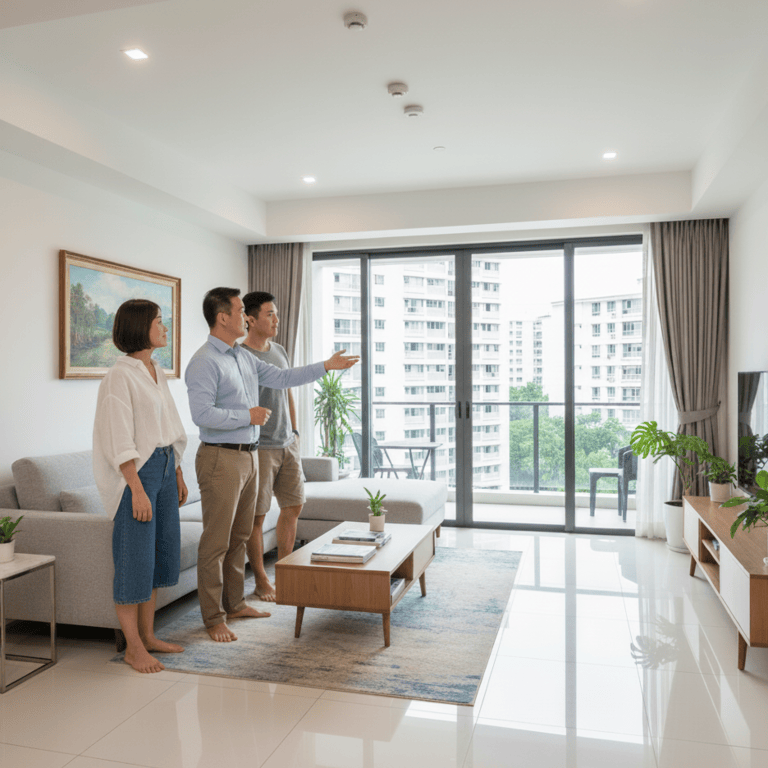
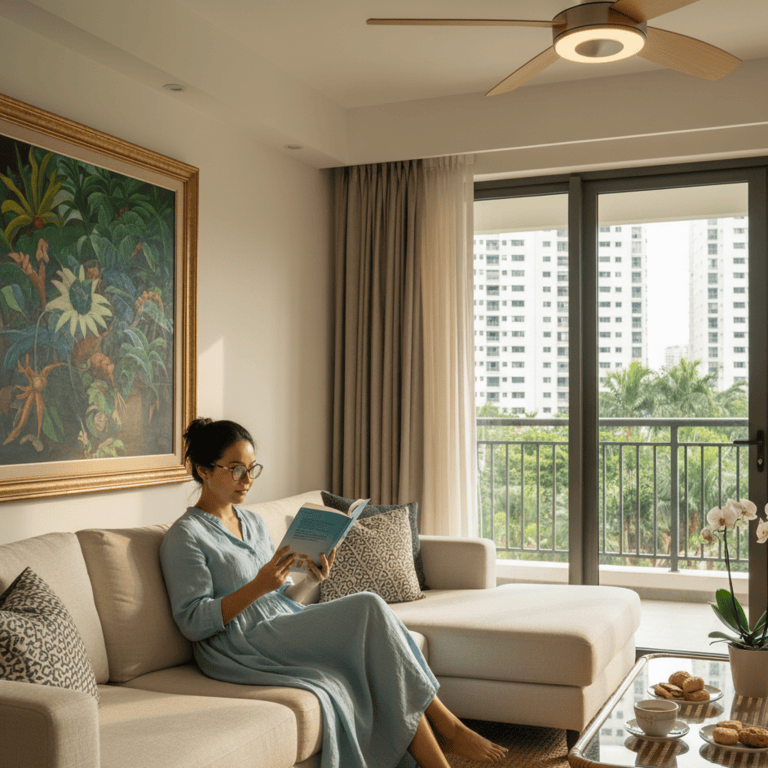
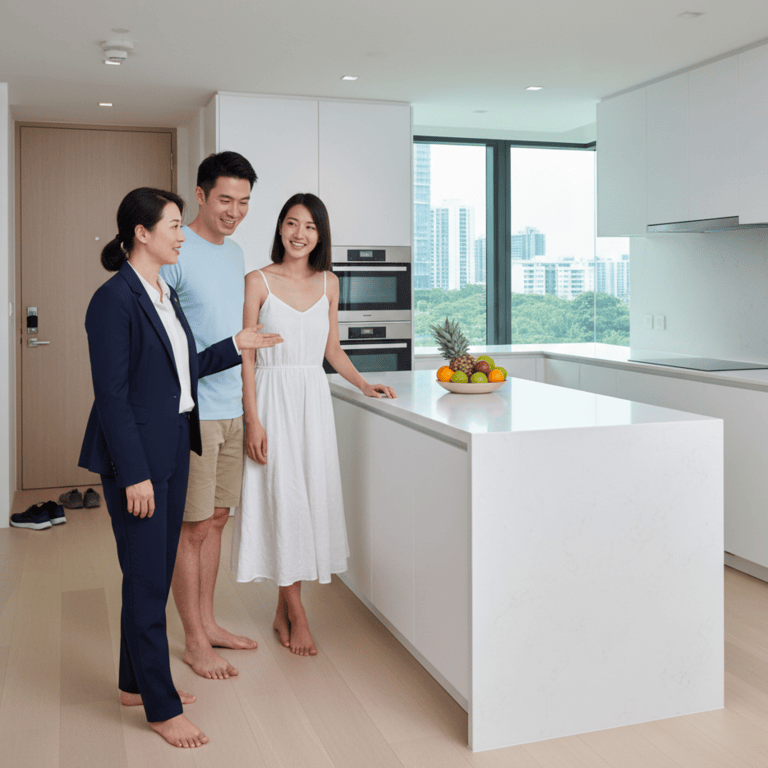
Ventilation and sunlight can make a small room feel more comfortable and livable. Natural light makes the space feel more open and pleasant, and it can even improve your mood. See if it has a window that opens to outdoors (and not just into a corridor or airwell). Good ventilation and light are key for your daily comfort in that space.
Small spaces can impact mental health through feelings of claustrophobia, lack of privacy, and difficulty separating work and personal life. Ensure adequate ventilation to prevent stuffiness and mold. Prioritize natural light and consider full-spectrum lighting for mood regulation. Make time for outdoor activities and social interaction to counteract potential isolation from compact living.
Use multi-functional furniture and vertical space. For example, a bed with drawers underneath or shelves up high on the walls adds storage without taking floor space. Declutter regularly and use hidden storage (like ottomans or coffee tables with compartments) to keep your studio organized.
Sharing with 3+ roommates requires clear agreements about shared spaces, cleaning schedules, utility splits, and house rules. Consider personality compatibility, lifestyle habits, and how to handle conflicts. Establish guidelines for common areas, guest policies, and what happens if someone moves out mid-lease.
Corner units typically offer better ventilation, more natural light, additional windows, and sometimes larger layouts. They may also have less shared walls with neighbors, providing more privacy. However, they might be more expensive and could be noisier if facing main roads or having more external exposure.
Furnished units have basic furniture and appliances provided, so moving in is easy but inspect condition and note what’s included. Unfurnished units come empty, meaning you must furnish the place yourself. It’s more work upfront, but you get to decorate it your way. Consider delivery logistics, lift bookings, storage needs, and whether you’ll keep or sell items at lease end.
Older HDB flats have a rubbish chute inside – make sure its lid seals well to keep out odours and pests. Newer flats use a shared chute on each floor. If your flat is near that chute, you might catch an occasional smell, but it’s usually minor if kept clean.
Void decks host community events, celebrations, and sometimes funeral wakes that can create noise and activity. Lower floor rooms may be more affected by these activities. While these are part of HDB community life, understand the typical schedule and duration of events, and plan accordingly for noise-sensitive activities like sleep or work calls.