Learn the visitor registration system, understand security procedures for guests, and know the protocols for deliveries and service personnel. Some condos have strict visitor policies, time restrictions, or require advance registration. Ensure your guests understand and follow building security requirements.
Establish clear common area rules and assign personal storage spaces in each bedroom. Use the third bedroom strategically - as a study, guest room, or helper's quarters. Create a household schedule for shared spaces like bathrooms and kitchen. Consider installing additional hooks and organizers in common areas to prevent clutter.
Maximize vertical space with over-door organizers, under-bed storage boxes, and wall-mounted shelves that don't require drilling. Use multi-functional furniture like storage ottomans. Check if you can use common area storage like store rooms or if the landlord allows additional furniture.
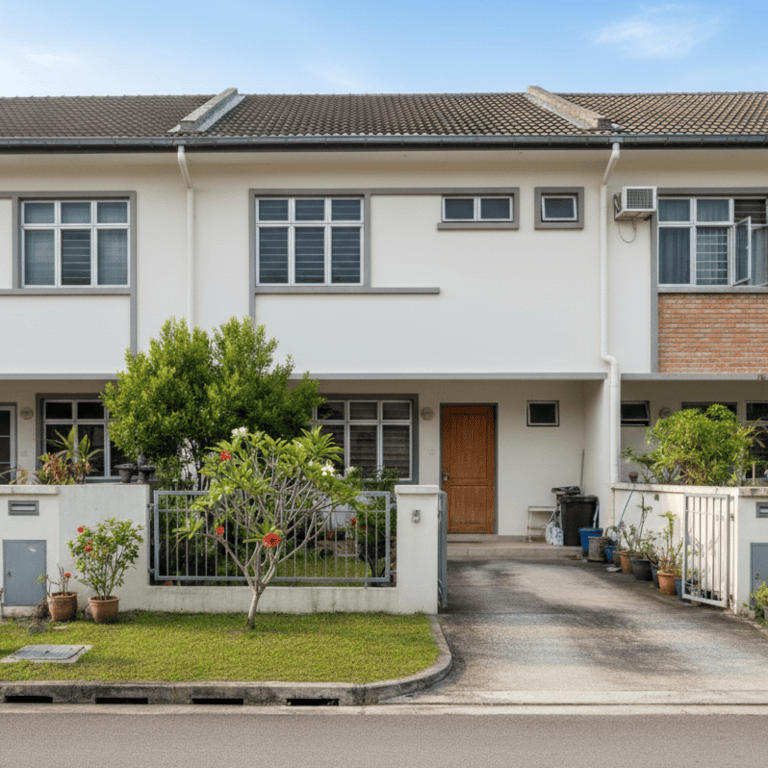
Landed houses offer more space and privacy but require different daily routines, potentially higher maintenance awareness, and different security considerations. You might have more outdoor responsibilities, different neighbor relationships, and need to manage larger spaces. Consider whether the lifestyle change aligns with your preferences and capabilities.
Equal split is common, but consider room size differences and individual usage patterns. Master bedroom tenants might pay slightly more due to ensuite usage and larger space. Track air-con usage if one person uses it significantly more. Some roommates prefer separate electricity meters or smart plugs to monitor individual consumption for fairer billing.
Living alone can be isolating, so actively build social connections through neighborhood activities, building events, co-working spaces, or hobby groups. Consider inviting colleagues or friends over regularly, join community centers or sports clubs nearby, and maintain regular contact with family and friends. Balance the privacy benefits of solo living with intentional social engagement.
Void decks host community events, celebrations, and sometimes funeral wakes that can create noise and activity. Lower floor rooms may be more affected by these activities. While these are part of HDB community life, understand the typical schedule and duration of events, and plan accordingly for noise-sensitive activities like sleep or work calls.
Open kitchens feel social and spacious but spread cooking smells. Closed kitchens contain noise and grease better. Think about your cooking style, ventilation, and how often you host. The right choice depends on whether you prioritize openness or cleanup ease.