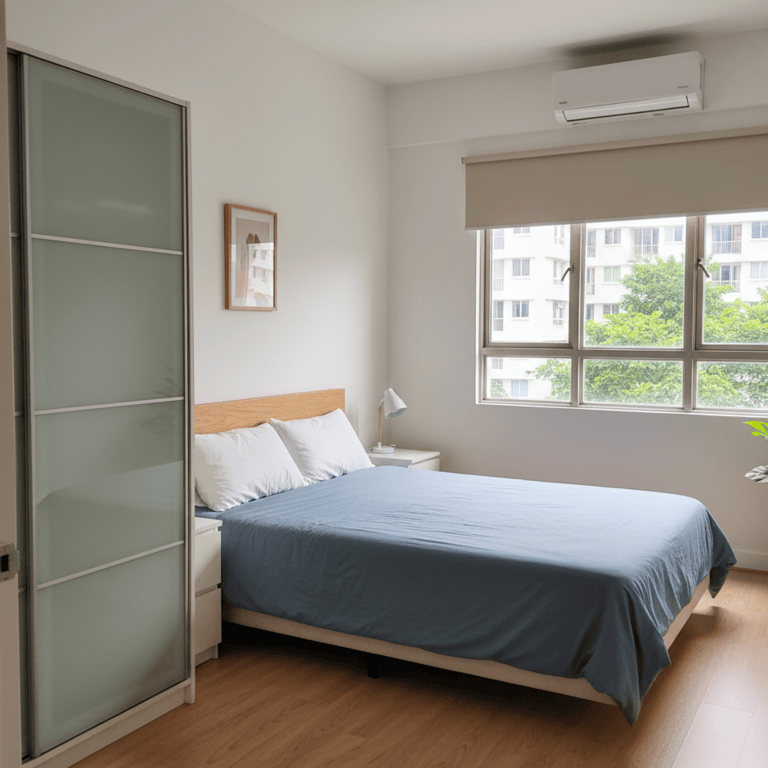
Living alone means being prepared for emergencies like power outages, water leaks, or medical issues. Keep emergency contacts readily available, know your building's security and maintenance procedures, maintain a basic first aid kit, and establish check-in routines with family or friends. Know your neighbors and building management for urgent situations when you can't reach your landlord.
2-bedrooms can work for families with one or two young children, offering more space than a 1-bedroom while remaining affordable. Consider safety features, proximity to schools and parks, whether the layout allows parents to supervise children, and if there's adequate storage for family belongings and toys.
Address issues early through calm, direct conversation before they escalate. Use 'I' statements to express how situations affect you rather than making accusations. Suggest practical solutions and be willing to compromise. If direct communication fails, involve the landlord or main tenant as a mediator. Document serious issues and consider whether the living situation is sustainable long-term.
Yes. Many landed homes have two or three storeys, so you'll be using stairs daily. If you have young children or elderly family, consider safety (installing baby gates, sturdy handrails). Different floors give privacy with bedrooms separate from living areas, but you'll also be climbing up and down a lot.
Yes, a larger space usually means higher utility costs. In a 4-bedroom, you may run four or more aircon units plus more lights and devices, which adds up. More people/rooms also likely means more water usage. So expect to pay higher electricity and water bills than in a smaller unit. To manage costs, use AC and lights only when needed and choose energy-efficient appliances.
Ventilation and sunlight can make a small room feel more comfortable and livable. Natural light makes the space feel more open and pleasant, and it can even improve your mood. See if it has a window that opens to outdoors (and not just into a corridor or airwell). Good ventilation and light are key for your daily comfort in that space.
Condos often have specific rules about tenant behavior, pet policies, noise restrictions, and guest limitations. Some prohibit short-term rentals, have strict move-in procedures, or limit the number of occupants. Understand parking allocations, facility usage rights, and any restrictions on modifications. Violating condo rules can affect your tenancy even if your landlord approves certain activities.
Many require a booked timeslot for lift padding and may collect a refundable deposit. Confirm required forms, booking windows, and whether your landlord handles them. Plan deliveries to match the approved window so movers aren’t turned away unexpectedly.