Living alone means being prepared for emergencies like power outages, water leaks, or medical issues. Keep emergency contacts readily available, know your building's security and maintenance procedures, maintain a basic first aid kit, and establish check-in routines with family or friends. Know your neighbors and building management for urgent situations when you can't reach your landlord.
Look for units where bedrooms are well-separated, preferably not all clustered together. Check sound insulation between rooms, whether there are multiple bathroom facilities, and if common areas allow for both social interaction and private space. Consider the unit's layout for natural privacy zones.
Address issues early through calm, direct conversation before they escalate. Use 'I' statements to express how situations affect you rather than making accusations. Suggest practical solutions and be willing to compromise. If direct communication fails, involve the landlord or main tenant as a mediator. Document serious issues and consider whether the living situation is sustainable long-term.
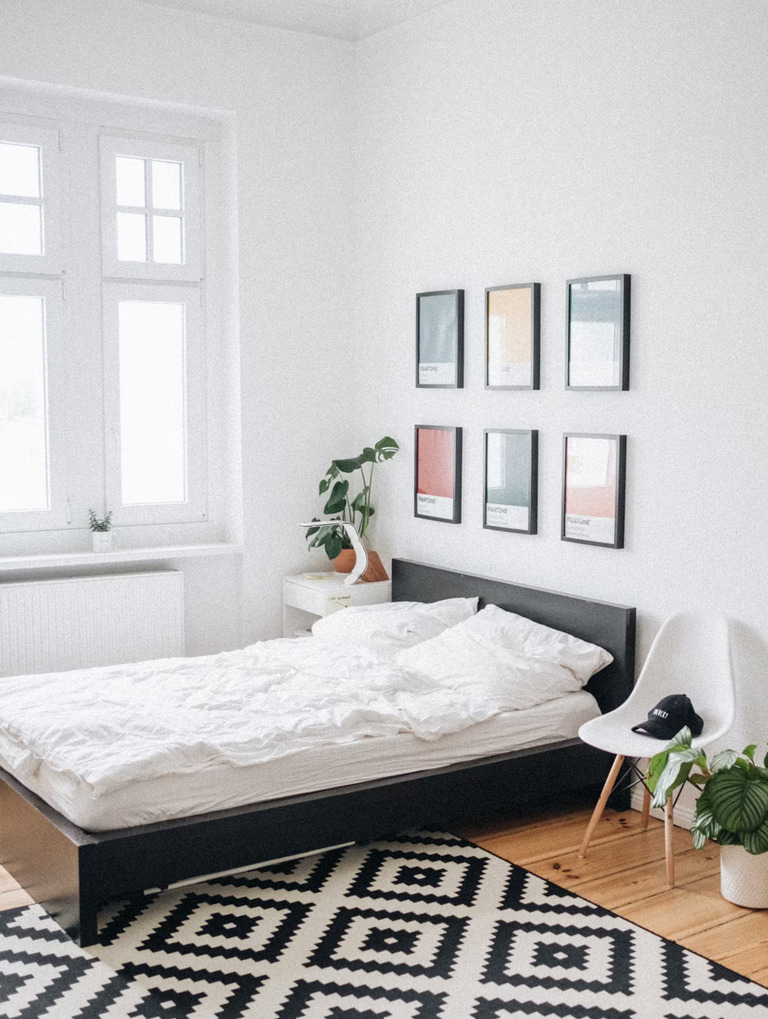
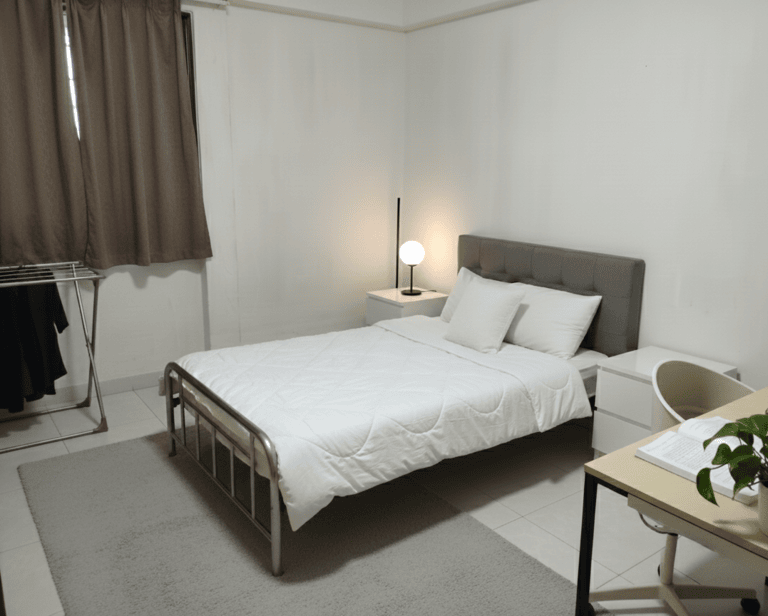
Use thick curtains or blinds, consider a white noise machine for sound privacy, and establish quiet hours with housemates. Create personal space within your room with furniture arrangement, and communicate your need for privacy respectfully. Good locks and personal storage help maintain security.
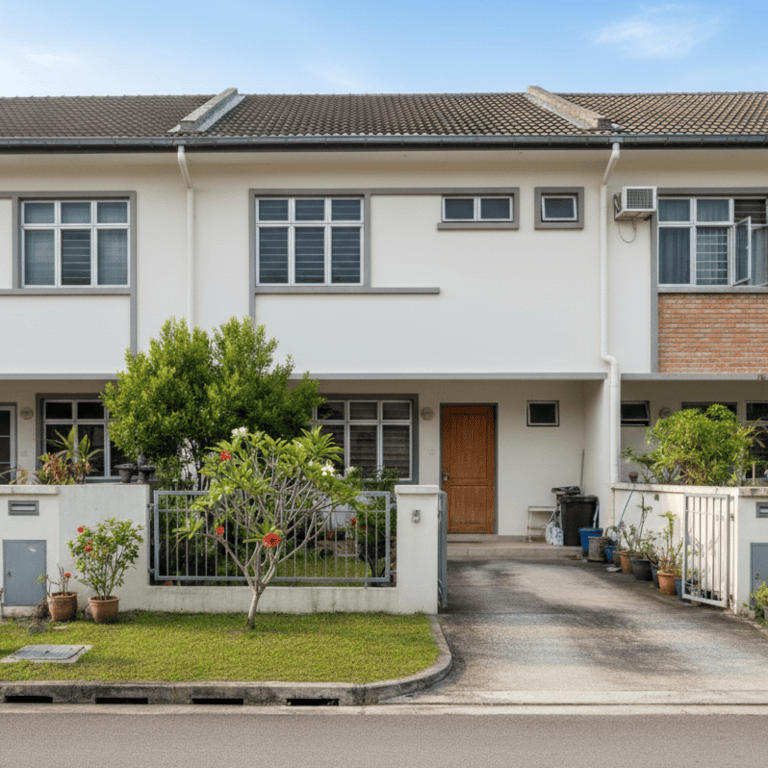
Check all door and window seals, clear gutters and drains, and ensure proper drainage around the house. Test sump pumps if present and know where water shut-offs are located. Prepare sandbags or flood barriers if the area is prone to flooding. Trim overhanging branches that could fall during storms and secure outdoor furniture.
Run taps and flush toilets to check water pressure (and watch for leaks). Turn on lights, fans, and air-con to ensure they work. Test any provided appliances as well. Check walls and ceilings for water stains or mold. Note any problems and have the landlord address them before move-in. Photograph any defects and attach them to the inventory to avoid end-lease disputes.
1-bedroom units often share walls with neighbors, so consider sound insulation when choosing. Units facing busy streets or playgrounds may have more noise. Check if bedrooms share walls with neighbors' living areas or bathrooms. Corner units typically offer better privacy and less noise from neighbors, though they may cost slightly more.
Research comparable listings to understand market rates before negotiating. Be prepared to make quick decisions as good properties move fast. Consider offering longer lease terms for rent discounts, or ask for inclusions like utilities or internet. Present yourself as a reliable tenant with references and proof of income. Avoid lowball offers that might offend landlords.