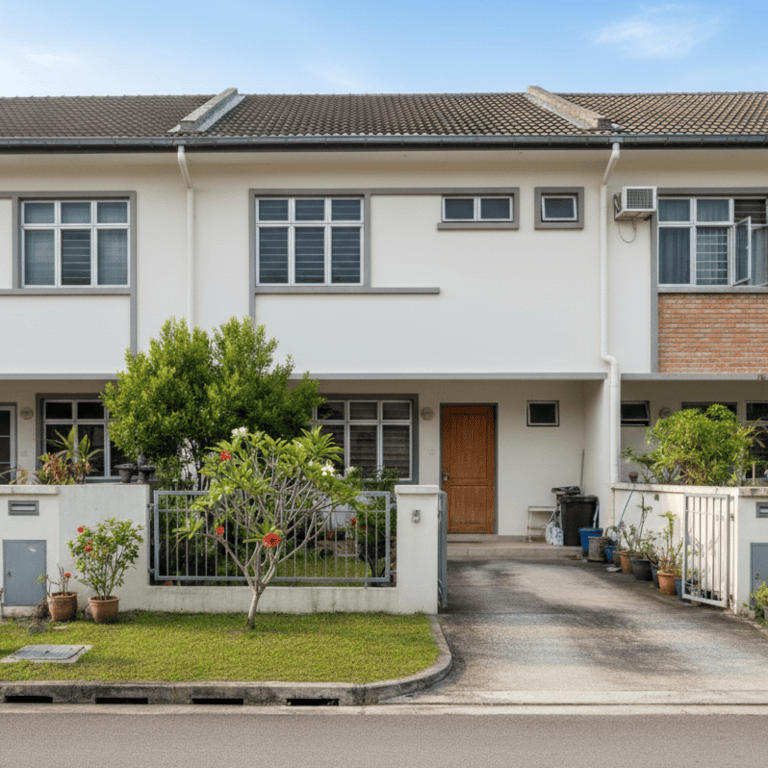
HDB rooms often have simpler finishes and fewer shared facilities but practical layouts and solid walls. You’ll trade pools or gyms for straightforward convenience. Prioritize block condition, elevator access, and nearby amenities over lifestyle facilities you won’t use.
Condos often run entirely on electricity (no city gas), so heavy air-con or hot water use can push up the power bill. Expect to split utilities—electricity, water, internet—with housemates. Clarify your share and which bills are included in your rent to avoid surprises.
Establish morning routines and peak usage times with housemates, keep personal items organized in designated areas, and maintain cleanliness standards. Consider having backup plans for busy mornings, and communicate openly about any issues rather than letting frustrations build up.
Research the area's safety record, future development plans, and property value trends. Check proximity to essential services like hospitals, schools, and shopping centers. Evaluate public transport connectivity and traffic patterns during peak hours. Consider the community demographics and whether the neighborhood aligns with your lifestyle preferences and long-term plans.
HDB units offer excellent value for families with practical layouts and nearby amenities like schools, clinics, and childcare. The strong community environment provides social support networks. Playgrounds and void decks offer safe spaces for children. However, consider space constraints in newer flats and noise from neighbors due to closer proximity than landed houses.
HDB 2-bedroom units offer more space and value but fewer amenities. Condo 2-bedrooms cost more but include facilities like pools and gyms. Landed 2-bedroom units (rare) provide maximum privacy and space but highest costs. Consider your priorities: budget and space (HDB), amenities and lifestyle (condo), or privacy and outdoor space (landed).
Look for units where bedrooms are well-separated, preferably not all clustered together. Check sound insulation between rooms, whether there are multiple bathroom facilities, and if common areas allow for both social interaction and private space. Consider the unit's layout for natural privacy zones.
Clarify with your housemates or landlord how utilities are divided. Often, all occupants split electricity, water, and internet bills equally. In some cases, if one person uses significantly more (e.g., air-con all day), they might pay a bit more. It’s important to agree on a fair arrangement upfront so everyone knows their share of the monthly bills. Keep bills visible to everyone and record transfers for transparency.