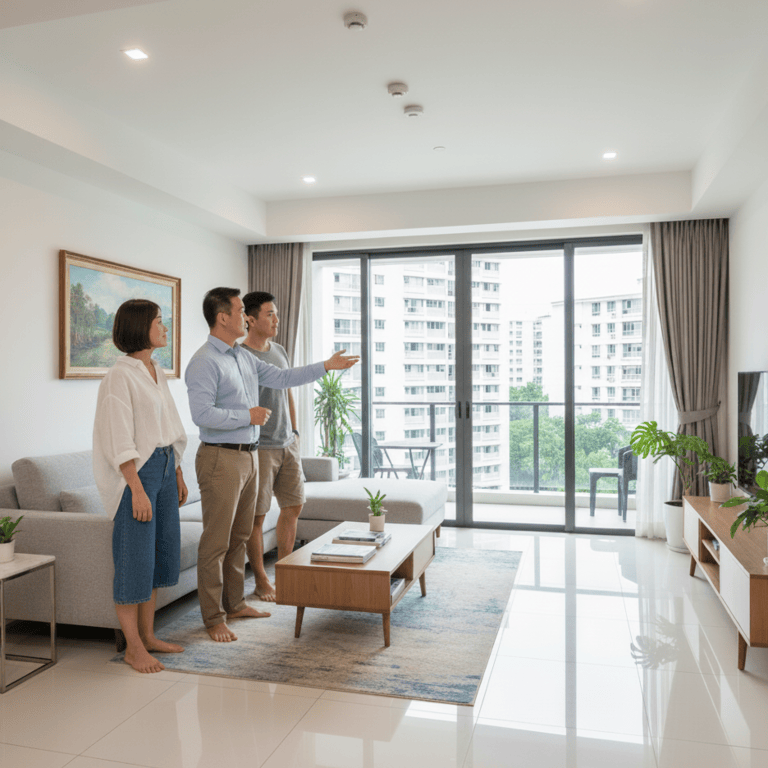
Condo living offers natural opportunities to meet neighbors through shared facilities like pools, gyms, and BBQ areas. Be respectful of facility rules and considerate of others' usage. Participate in condo events or activities if available. However, respect privacy - some residents prefer minimal interaction. Building good relationships can lead to helpful neighbors and a more pleasant living experience.
3-bedroom units offer excellent flexibility for families. Start with a master bedroom, nursery, and guest room/study. As children grow, convert the study to a second child's room. The extra space allows for toy storage, play areas, and separate study zones. Consider child-proofing requirements and proximity to good schools when choosing location.
Small spaces can impact mental health through feelings of claustrophobia, lack of privacy, and difficulty separating work and personal life. Ensure adequate ventilation to prevent stuffiness and mold. Prioritize natural light and consider full-spectrum lighting for mood regulation. Make time for outdoor activities and social interaction to counteract potential isolation from compact living.
1-bedroom units offer better work-life separation than studios with a dedicated bedroom for sleep and living area for work. You can have video calls without showing your bed, and maintain professional backgrounds. However, the limited space means you'll need efficient furniture and good organization. Consider noise levels from neighbors and ensure good internet connectivity for reliable remote work.
Condo deliveries are usually held by security when you’re out. Couriers drop packages at the guardhouse or concierge instead of outside your door. You’ll be notified when something arrives so you can collect it. This keeps parcels secure, but you will need to pick them up from the guard post.
Studios are energy-efficient to cool with one air-con unit covering the entire space. However, cooking heat and humidity affect the whole living area immediately. Good ventilation becomes crucial - ensure windows open for cross-ventilation and the kitchen has effective exhaust. Consider the orientation and whether the unit gets direct sunlight, which can make small spaces uncomfortably warm.
Open kitchens feel social and spacious but spread cooking smells. Closed kitchens contain noise and grease better. Think about your cooking style, ventilation, and how often you host. The right choice depends on whether you prioritize openness or cleanup ease.
Use multi-functional furniture and vertical space. For example, a bed with drawers underneath or shelves up high on the walls adds storage without taking floor space. Declutter regularly and use hidden storage (like ottomans or coffee tables with compartments) to keep your studio organized.