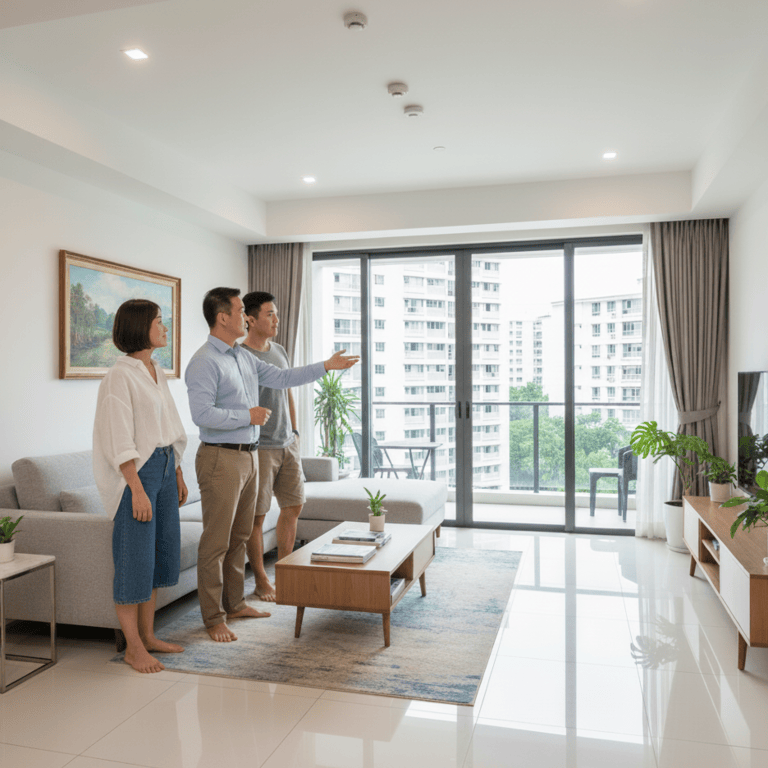
Moving to a master room means adjusting to more space, privacy, and responsibility. You'll have your own bathroom to maintain, potentially higher utility bills, and may be expected to take more household coordination responsibilities. Consider whether you're ready for the lifestyle change, can afford the premium, and want the additional privacy. The transition often comes with both benefits and increased expectations from landlords and housemates.
Look for persistent damp smells, water stains, mold, warped wood, peeling paint, pest traces, and poor ventilation. Test taps, appliances, windows, and locks. If something seems off or the landlord avoids answering questions, consider it a red flag.
Run taps and flush toilets to check water pressure (and watch for leaks). Turn on lights, fans, and air-con to ensure they work. Test any provided appliances as well. Check walls and ceilings for water stains or mold. Note any problems and have the landlord address them before move-in. Photograph any defects and attach them to the inventory to avoid end-lease disputes.
You get an extra room to use flexibly. For example, parents in one room, kids in another, and the third bedroom becomes a study, home office, or helper’s room. Basically, the third room means you don’t have to sacrifice having an office or guest space—you can have both.
A master bedroom (with an attached bathroom) is ideal if you value extra space and privacy. It’s great for couples or individuals who want more room and their own bathroom. You get a larger area to yourself, which is nice if you work from your room or just like having a private bathroom and more storage. If your budget allows and you prefer not to share a bathroom, a master bedroom is a good choice.
You need to plan beyond just monthly rent. Budget for your security deposit, utility bills (electricity, water, gas), internet, and any regular maintenance or air-con servicing costs. Also factor in moving expenses and possible agent fees.
1-bedrooms can work well for couples who spend time together and don't need separate workspaces. Consider whether you both work from home, have different sleep schedules, or need personal space. Check if the living area can accommodate both partners' belongings and activities comfortably.
Air-con significantly impacts electricity bills in Singapore's climate. Discuss usage patterns with housemates - some prefer it only at night, others need it during work-from-home hours. Agree on temperature settings (24-26°C is efficient) and whether common areas should be cooled. Consider individual room usage tracking or splitting bills proportionally based on usage patterns.