Yes, but requires planning. The separate bedroom allows one person to sleep while the other works or watches TV in the living area. Consider blackout curtains and sound management. Some couples prefer open-plan studios for togetherness, while others need the bedroom separation for different sleep schedules or work-from-home arrangements.
Yes, even a tiny balcony is useful. You can sit outside for fresh air—place a small chair and table to create a cozy outdoor corner. Some tenants use balconies to dry laundry (if allowed) or grow a few potted plants. It's like having a little extra outdoor space for relaxation.
Decide what’s communal and what’s personal, then stick to it. If you borrow, return items clean and promptly. Replace consumables you finish. A quick message before taking anything avoids misunderstandings and keeps goodwill in the household.
Ask about air-con use and costs. Many HDB owners let you run it at night but expect you to share the electricity bill or servicing costs. Check that the air-con unit is working well. If it's older, it might be noisier or less efficient.
Save the signed agreement, inventory, payment receipts, and all maintenance chats. Store dated photos of existing defects and meter readings. Keeping a single folder prevents disputes and speeds up deposit discussions at the end.
Master rooms offer more privacy for hosting but require coordination with housemates about guest policies. Clarify overnight guest limits, shared area usage when you have visitors, and whether guests can use common facilities. Be considerate about noise levels and bathroom queue times when hosting. Your ensuite provides privacy but ensure guests understand house rules and respect other tenants' space.
Compare total costs including utilities, factor in privacy benefits and not having to share common areas with housemates. Consider whether the studio's location, amenities, and independence justify potentially higher costs than a room rental. Think about your lifestyle preferences and need for personal space.
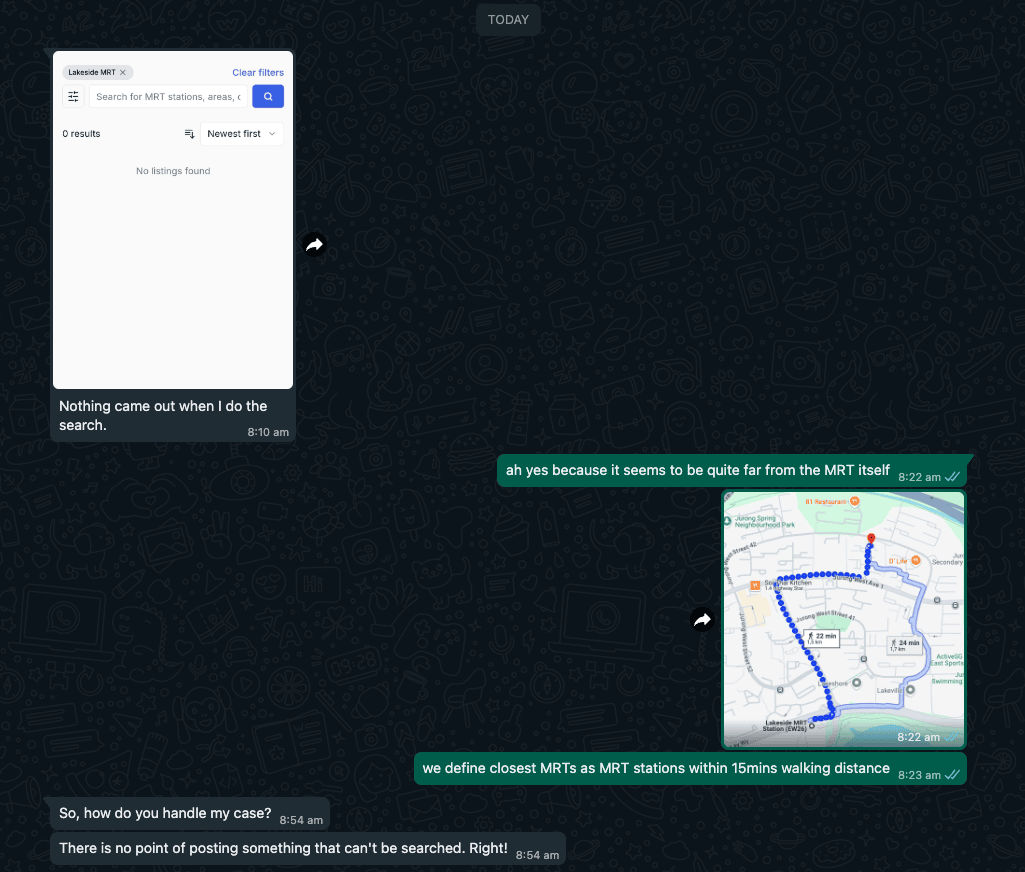
Factor in daily transport costs to work, not just rent. A cheaper rental far from MRT might cost more overall with daily taxi/grab rides. Consider monthly transport passes, peak hour surcharges, and travel time value. Properties near MRT stations command higher rent but offer convenience and cost savings. Calculate your total monthly housing + transport budget realistically.