Yards need care. Ask if the landlord handles gardening or if tenants must do it. You might be expected to do basics like watering plants or mowing the lawn. If you share the house, agree on a plan so the outdoor space is maintained without overburdening anyone.
Common arrangements include parents' master bedroom, children's shared room, and a guest/study room. Some families give each child their own room, while others use one as a home office or playroom. Consider your family's current and future needs, including whether children will want separate rooms as they grow.
HDB regularly upgrades older estates with new lifts, facades, or facilities. While improvements are beneficial long-term, they can cause temporary noise, dust, and access disruptions. Check if any upgrading is planned during your lease period and how it might affect your daily routine and rent.
Place your desk in the living area and keep the bedroom for sleep. Close the bedroom door for mental separation. Good habits around screen time help the space feel restful after hours.
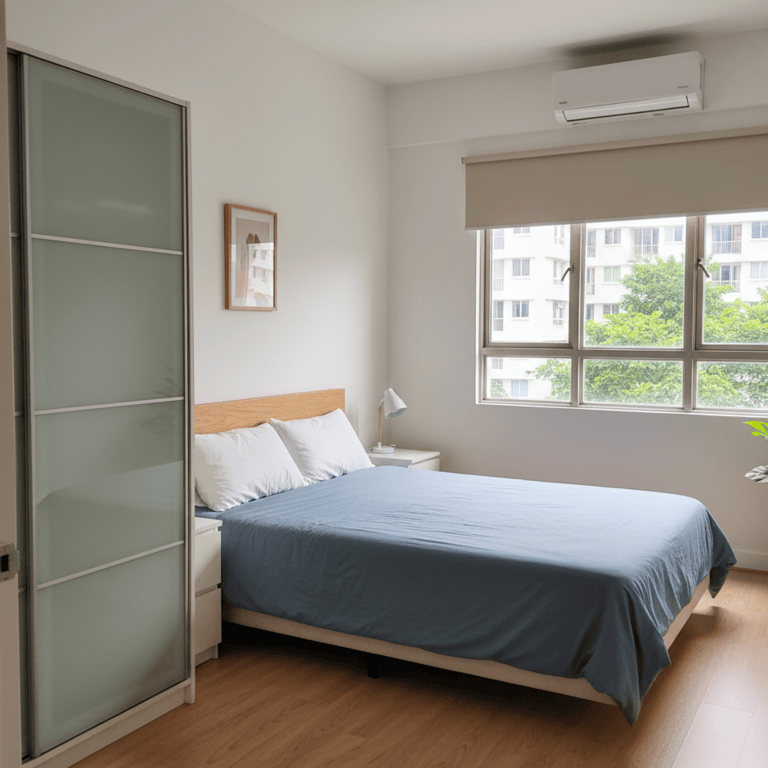
Master rooms cost more because they’re typically the largest room and come with an attached bathroom. You’re paying a premium for the extra space, privacy, and convenience. They may also get better wardrobes, windows, and layout. Premiums vary by location, building type, and whether utilities are included.
Condos often require advance notice for moving, elevator booking, security deposits for potential damages, and specific timing restrictions. You may need to register with management, provide tenant information, and understand building access procedures. Plan ahead and coordinate with your landlord for smooth move-in logistics.
Landed houses usually offer better parking options than condos or HDBs. Check if parking is included in rent and how many cars are allowed. Some have covered parking or car ports. Confirm access hours if there are automatic gates, and ask about visitor parking arrangements. Street parking rules vary by area, so understand local regulations.
HDB flats typically offer more space and functional layouts for the price. You’ll likely appreciate everyday conveniences nearby. Focus on block condition, lift reliability, and airflow. If you value community feel and straightforward living, HDB can be a comfortable fit.