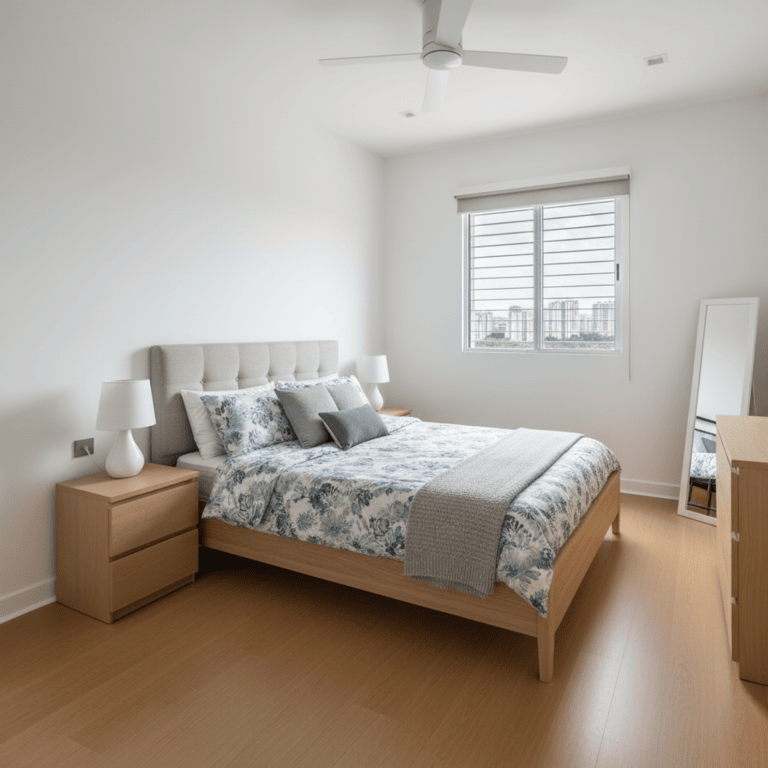
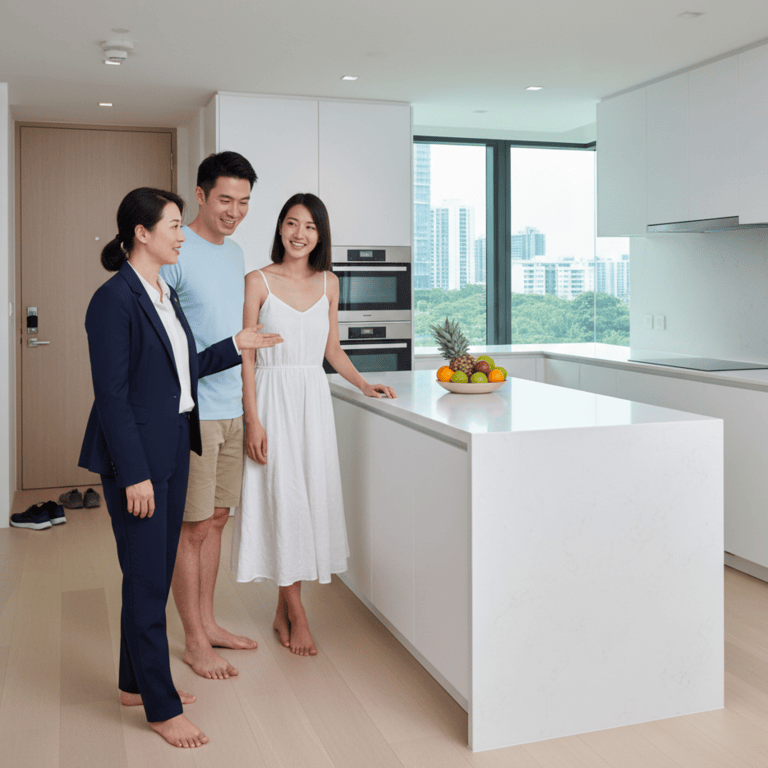
HDB flats are government-built public housing with practical layouts and affordable rent, but fewer amenities. Condominiums are private developments with facilities like pools and gyms, but higher rent and management fees. Landed houses offer the most space and privacy with gardens, but are the most expensive and may be further from public transport. Each serves different lifestyle needs and budgets.
Singapore's vibrant food delivery scene means lots of packages arriving. Establish rules about receiving deliveries for absent housemates, sharing delivery fees for group orders, and storing food in shared fridges. Label your items clearly and respect others' food. Consider setting up group orders for popular restaurants to save on delivery fees.
Yes. It should clearly state the monthly rent, the security deposit amount and conditions for return, what’s included in the rent (for example, are utilities or Wi-Fi covered?), the length of stay/notice period, and any specific house rules or restrictions. This protects both you and the landlord (or main tenant) by ensuring everyone knows the terms. Also, confirm that the landlord has approval to rent out the room (especially important in HDB flats, where there are rules on room rentals).
Condo deliveries usually go through security. If you're not home, couriers often leave parcels at the guardhouse or management office for you to collect later. Some condos will call you or have lockers for packages. Find out your condo's parcel procedure so you don't miss any packages.
Master rooms offer more privacy for hosting but require coordination with housemates about guest policies. Clarify overnight guest limits, shared area usage when you have visitors, and whether guests can use common facilities. Be considerate about noise levels and bathroom queue times when hosting. Your ensuite provides privacy but ensure guests understand house rules and respect other tenants' space.
Make sure all friends are named on the lease so everyone is equally responsible. Agree clearly on how to split rent and bills, and set basic house rules early on to avoid misunderstandings. Also decide what happens if someone moves out before the lease ends, since you’re all responsible together.
Typically, there's a built-in wardrobe in the bedroom and cabinets in the kitchen. Some 1-bedroom flats include a small storeroom or utility closet. Use vertical space by adding shelves in empty spots. And choose furniture with storage, like a bed with drawers or an ottoman that opens.
With 4 bedrooms, you likely have multiple occupants requiring good communication systems. Consider shared calendars for bathroom schedules, cleaning rotations, and common area usage. Establish house rules early about guests, noise levels, and shared resource usage. Regular house meetings help address issues before they become conflicts. Clear labeling of personal items in shared spaces prevents confusion.