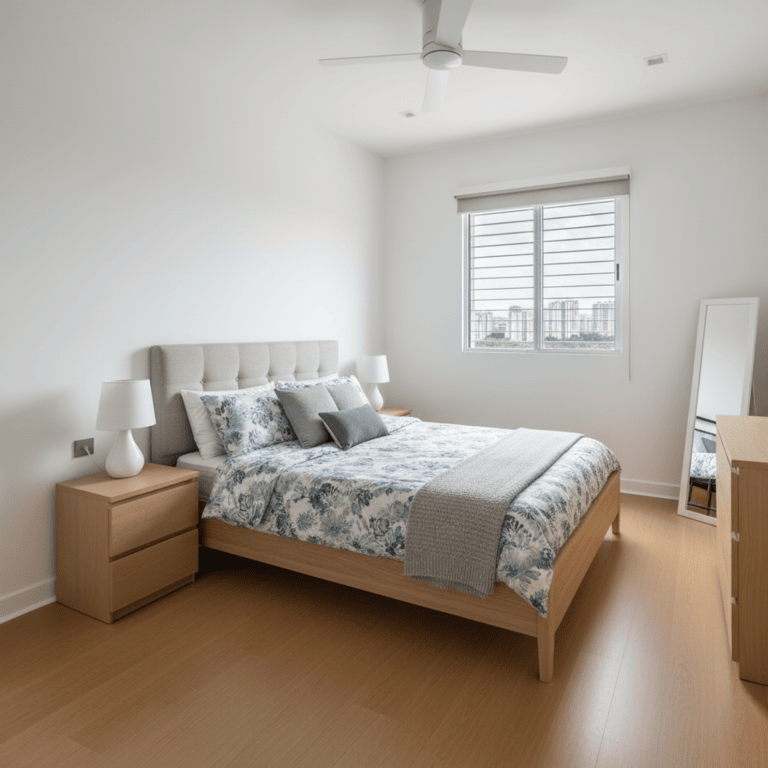
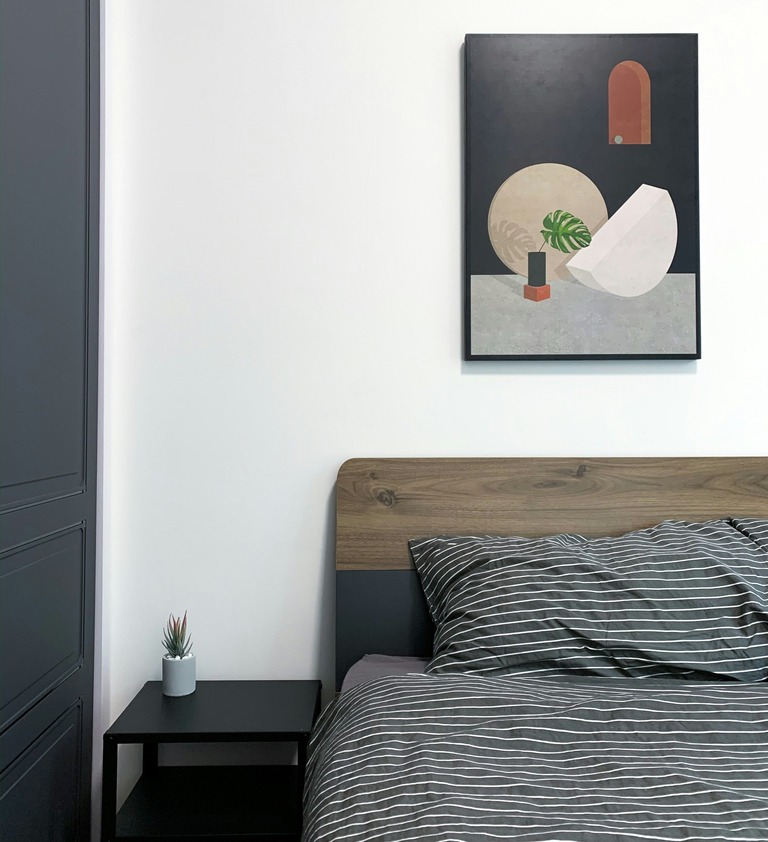
Lower floors offer easier access during elevator outages and lower utility costs, but may have noise from foot traffic, security concerns, and limited views. Higher floors provide better views, less noise, and more privacy, but depend on elevators and may have higher cooling costs. Mid-level floors (3rd-8th) often balance these factors well. Consider your mobility needs, noise tolerance, and whether views matter to your daily comfort.
Yes, definitely. With four bedrooms, you probably have a spare room that can become an office or hobby space. It’s common to turn the extra room into a study, art studio, home gym, etc. You don’t have to use all bedrooms for sleeping. Furnish that room for its purpose (desk, shelves, workout gear, etc.). If needs change, you can turn it back into a bedroom, but it’s great to have that flexibility.
Save the signed agreement, inventory, payment receipts, and all maintenance chats. Store dated photos of existing defects and meter readings. Keeping a single folder prevents disputes and speeds up deposit discussions at the end.
While landlords pay maintenance fees directly, these costs often influence rental prices. Understand what facilities and services these fees cover, as higher fees might mean better maintenance and amenities. Ask about any special assessments or major repair works that might affect the building during your tenancy.
Singapore's diverse rental market means you'll likely live with people from different cultures. Be open-minded about different cooking styles, religious practices, and lifestyle habits. Establish ground rules early about shared spaces, food storage, and cultural celebrations. Respect dietary restrictions and prayer times. This diversity can be enriching if approached with understanding and clear communication.
Create a dedicated workspace even if it's just a corner with a desk. Use visual cues like different lighting or a room divider to separate work time from personal time. Establish routines that help you mentally 'leave work' even when you can't physically leave the space.
Establish clear common area rules and assign personal storage spaces in each bedroom. Use the third bedroom strategically - as a study, guest room, or helper's quarters. Create a household schedule for shared spaces like bathrooms and kitchen. Consider installing additional hooks and organizers in common areas to prevent clutter.
1-bedroom units often share walls with neighbors, so consider sound insulation when choosing. Units facing busy streets or playgrounds may have more noise. Check if bedrooms share walls with neighbors' living areas or bathrooms. Corner units typically offer better privacy and less noise from neighbors, though they may cost slightly more.