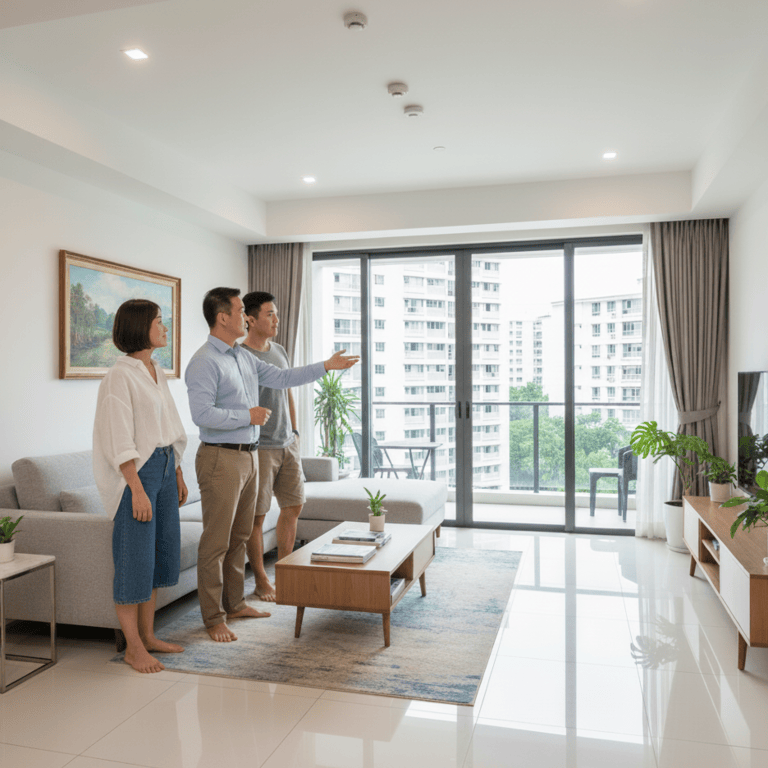
Condos often require advance notice for moving, elevator booking, security deposits for potential damages, and specific timing restrictions. You may need to register with management, provide tenant information, and understand building access procedures. Plan ahead and coordinate with your landlord for smooth move-in logistics.
Yes, condo facilities often have rules and booking systems. For example, certain amenities like the BBQ pit or function room must be reserved with management in advance. These facilities also have specific rules like fixed time limits and cleanup requirements. Meanwhile, the pool or gym generally don’t require booking, but they have set hours and basic usage guidelines.
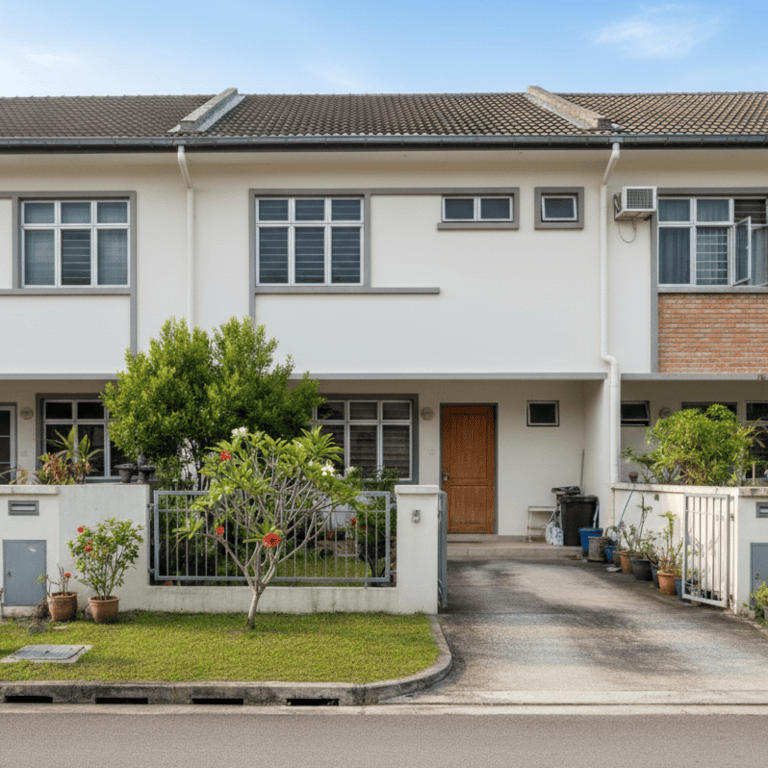
Landed houses may require additional insurance considerations due to ground-level access, gardens, and potential flooding risks. Check if your landlord's insurance covers tenant belongings and liability for accidents on the property. Consider additional coverage for valuable items and personal liability, especially if you have guests using outdoor areas or pools.
HDB flats open onto a common corridor. If your unit is along a corridor with neighbors walking by, you might need to keep your gates or curtains closed at times for privacy. Corner or end units offer a bit more seclusion since fewer people pass your door. When viewing a flat, notice the corridor layout – if the windows or door face a busy walkway, plan on using curtains/blinds for privacy. It’s a different feel from a private condo, but most residents get used to it.
Ventilation is key. Always use the range hood when cooking and open windows if you can. In a studio, smells travel fast, so clean up right after cooking. You can also light a scented candle or simmer lemon water to help clear the air.
Families need significant storage for clothing, toys, school supplies, and household items. Look for built-in wardrobes in each bedroom, linen closets, kitchen storage, and utility areas. Check if there's a storeroom, under-stair storage, or if you can add storage furniture without overcrowding the space.
Studio entertaining requires creativity due to limited space. Use folding furniture and multi-purpose items to accommodate guests. Consider the noise impact on neighbors in compact buildings. Overnight guests will need to sleep in your main living space, which affects your privacy. Plan gatherings during times when space can be reconfigured for socializing.
Corner units typically offer better ventilation, more natural light, additional windows, and sometimes larger layouts. They may also have less shared walls with neighbors, providing more privacy. However, they might be more expensive and could be noisier if facing main roads or having more external exposure.