Learn evacuation routes from your room to emergency exits, understand fire alarm procedures, and know where fire extinguishers are located. Check that smoke detectors in your room work properly and report any issues. Understand building fire safety rules about blocking corridors or emergency exits with personal items.
Look for persistent damp smells, water stains, mold, warped wood, peeling paint, pest traces, and poor ventilation. Test taps, appliances, windows, and locks. If something seems off or the landlord avoids answering questions, consider it a red flag.
Clarify whether you can use gardens, patios, or outdoor areas, and what maintenance responsibilities you might have. Some landlords allow tenants to use outdoor spaces for relaxation or small gatherings, while others restrict access. Understand any rules about outdoor furniture, plants, or modifications.
Air-con significantly impacts electricity bills in Singapore's climate. Discuss usage patterns with housemates - some prefer it only at night, others need it during work-from-home hours. Agree on temperature settings (24-26°C is efficient) and whether common areas should be cooled. Consider individual room usage tracking or splitting bills proportionally based on usage patterns.
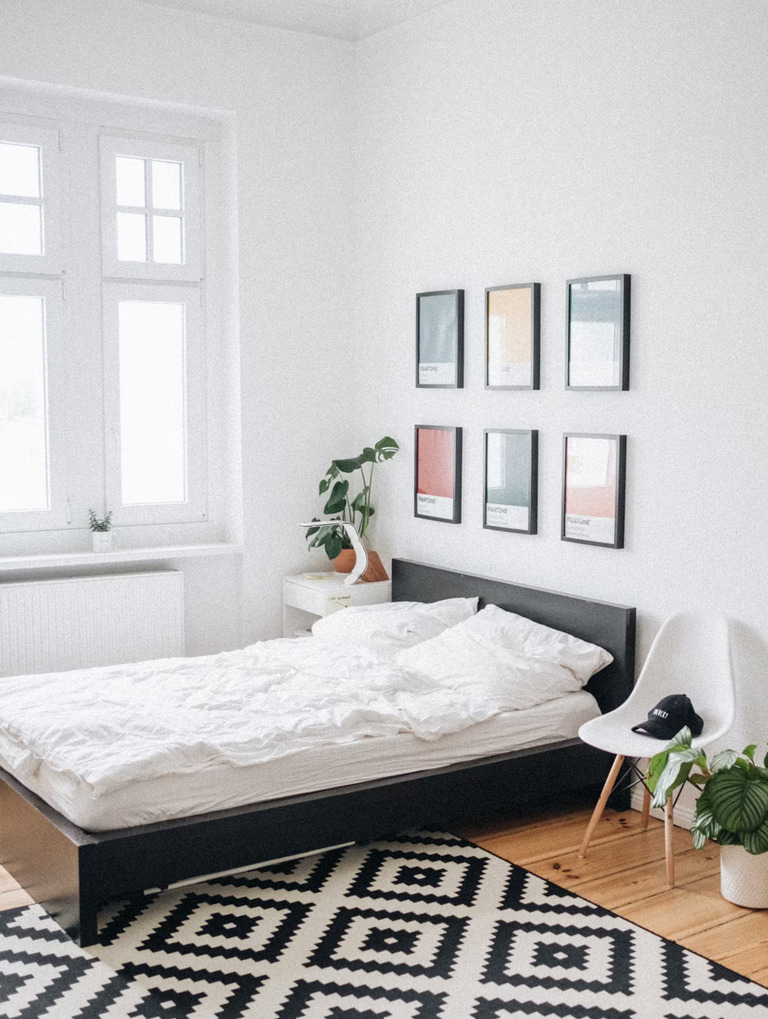
Ventilation and sunlight can make a small room feel more comfortable and livable. Natural light makes the space feel more open and pleasant, and it can even improve your mood. See if it has a window that opens to outdoors (and not just into a corridor or airwell). Good ventilation and light are key for your daily comfort in that space.
Aside from rent, you cover all ongoing costs. Budget for utilities (electricity, water, gas if any) and internet each month. If the unit has air-con, plan for regular servicing. You’re also responsible for minor maintenance like replacing light bulbs or filters. Basically, all household bills and upkeep fall to you.
Furnishing a 4-bedroom requires more furniture (beds, sofas, tables, etc.), so budget and plan accordingly. You can furnish gradually room by room. Cleaning is also a bigger job – more floor space, more bathrooms, more surfaces to wipe. Expect to spend extra time on chores or consider hiring help. It's wise to clean in zones (a room or area each day) so it's manageable.
Maximize vertical space with over-door organizers, under-bed storage boxes, and wall-mounted shelves that don't require drilling. Use multi-functional furniture like storage ottomans. Check if you can use common area storage like store rooms or if the landlord allows additional furniture.