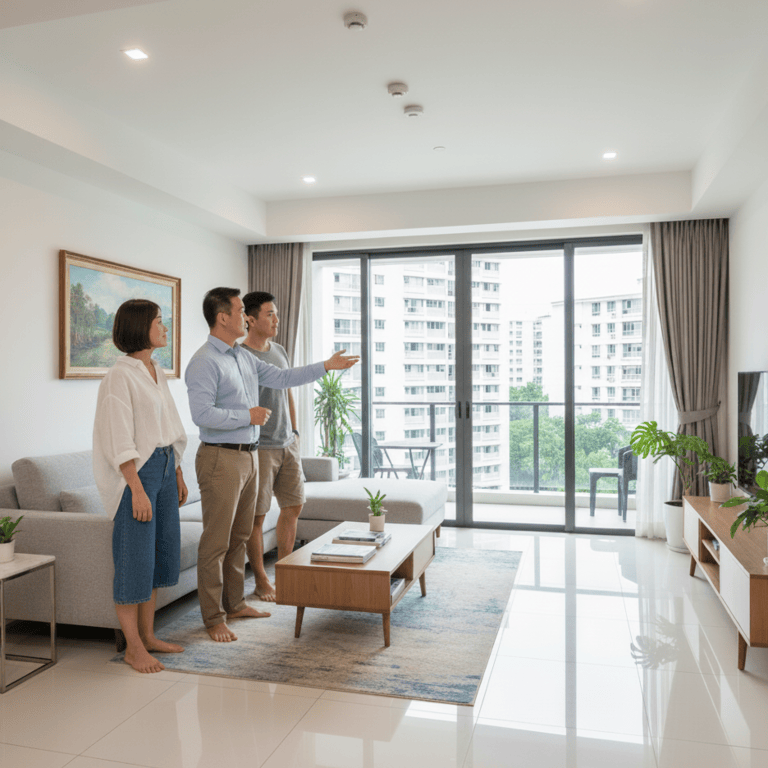
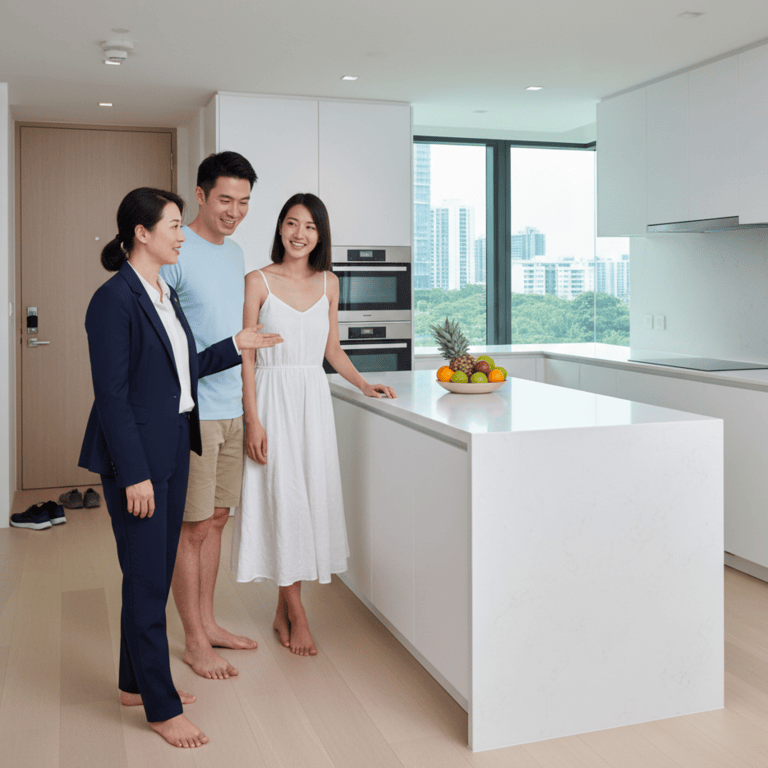
Modern units may include smart locks, video intercoms, app-controlled air-conditioning, or smart lighting. Understand how these systems work and whether you'll have admin access. Check if these features increase your rent or utility costs, and ensure you're comfortable using the technology.
Calculate total monthly costs including rent, utilities, maintenance fees, and transport costs, then divide by usable square footage. Factor in efficiency of space usage - a well-designed 1-bedroom may offer better value than a poorly laid out larger unit. Consider included amenities, storage space, and whether the layout maximizes livable area versus wasted corridor or awkward spaces.
Clarify responsibility for mowing, pruning, sweeping, and bin management. Agree on weed control and handling of fallen leaves after storms. If a gardener is included, confirm frequency and scope. Outdoor upkeep keeps pests down and protects your deposit.
Condo deliveries usually go through security. If you're not home, couriers often leave parcels at the guardhouse or management office for you to collect later. Some condos will call you or have lockers for packages. Find out your condo's parcel procedure so you don't miss any packages.
Some noise might travel, yes. If the two bedrooms share a wall, you may hear talking or TV from the other room. Layouts that put bedrooms on opposite sides of the living room help. Also, newer buildings often have thicker walls.
Many 1-bedroom flats have a bathroom door off the living room. But some layouts only have an en-suite bathroom accessible through the bedroom, meaning guests must enter your bedroom. If you host often, look for a unit where the bathroom is accessible from the living area.
Open kitchens feel social and spacious but spread cooking smells. Closed kitchens contain noise and grease better. Think about your cooking style, ventilation, and how often you host. The right choice depends on whether you prioritize openness or cleanup ease.
Landed houses may have multiple entry points, ground-level access, and outdoor areas requiring different security considerations. Check all locks, consider motion sensors or security systems, and understand neighborhood security patterns. Establish routines for securing the property and coordinate with neighbors if appropriate.