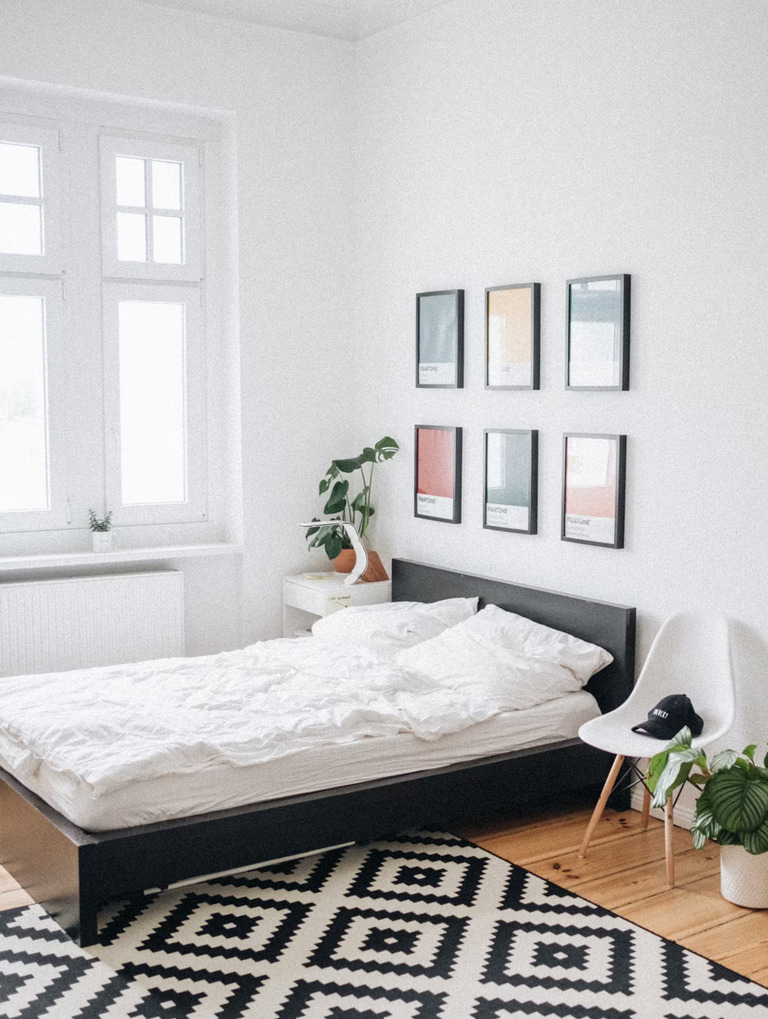
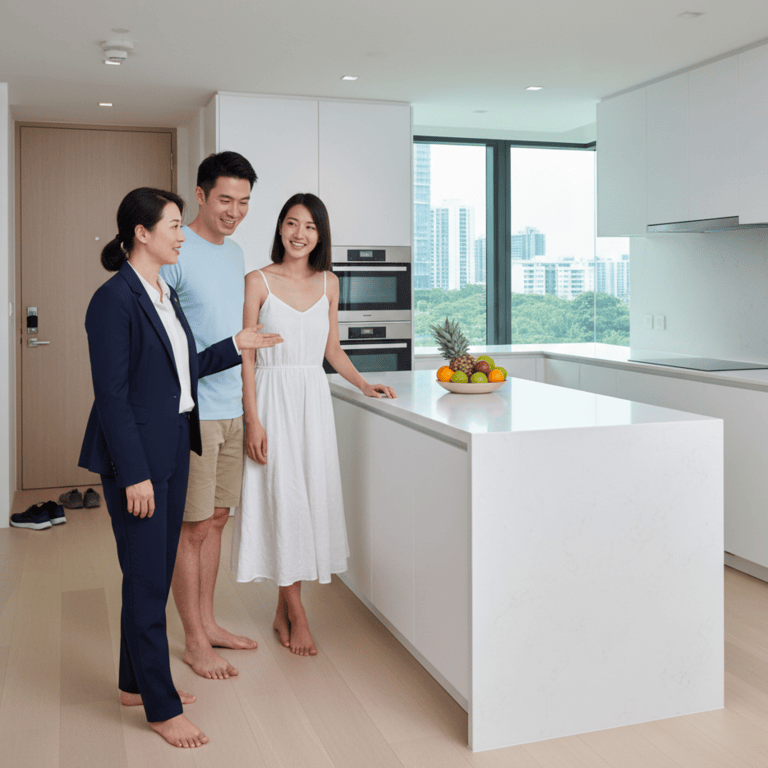
Master rooms offer more privacy for hosting but require coordination with housemates about guest policies. Clarify overnight guest limits, shared area usage when you have visitors, and whether guests can use common facilities. Be considerate about noise levels and bathroom queue times when hosting. Your ensuite provides privacy but ensure guests understand house rules and respect other tenants' space.
Small spaces can impact mental health through feelings of claustrophobia, lack of privacy, and difficulty separating work and personal life. Ensure adequate ventilation to prevent stuffiness and mold. Prioritize natural light and consider full-spectrum lighting for mood regulation. Make time for outdoor activities and social interaction to counteract potential isolation from compact living.
Most 4-bedroom units have one master bedroom with ensuite, and three smaller bedrooms sharing 1-2 additional bathrooms. Some premium units offer two master suites. Common areas typically include larger living/dining spaces and bigger kitchens to accommodate family needs. Check if bedrooms are clustered together or spread throughout the unit for privacy considerations.
Look for stains on ceilings, peeling paint, and musty smells after rain. Outside, inspect gutters, downpipes, and ground drains for blockages. Ask about recent roof repairs and how quickly water pooling or leaks are handled when reported.
Deposits are security against damage and unpaid bills, usually returned after handover if conditions are met. Read the break clause carefully, including notice requirements, potential fees, and whether a replacement tenant is allowed. Keep everything documented and dated.
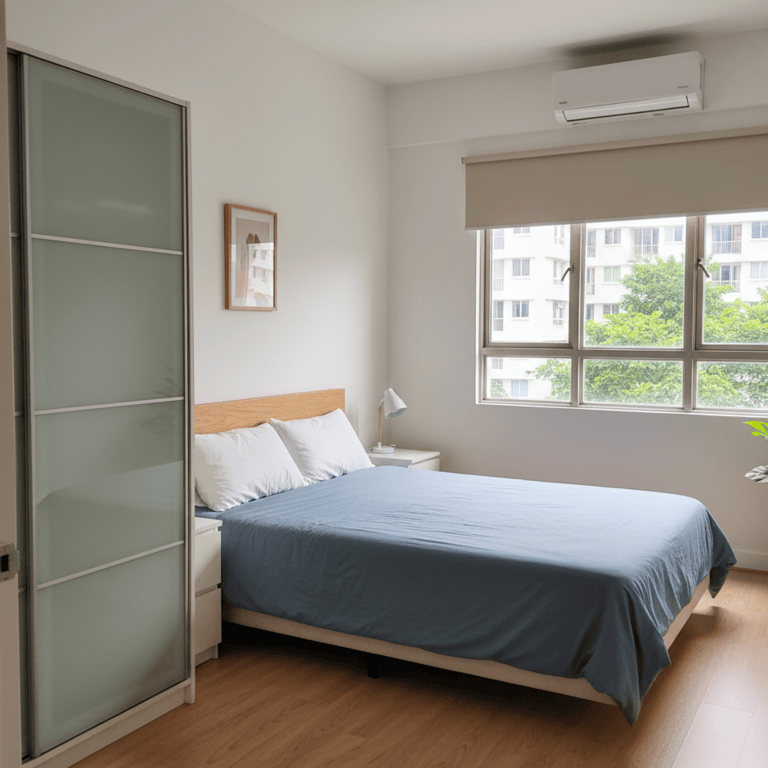
Measure wardrobe depth, check for full-length hanging, and look for shelves that suit daily items. Visualize bed placement, door swing, and airflow. Make sure a desk or cot fits without blocking pathways or covering sockets and switches.
Corner units typically offer better ventilation, more natural light, additional windows, and sometimes larger layouts. They may also have less shared walls with neighbors, providing more privacy. However, they might be more expensive and could be noisier if facing main roads or having more external exposure.
Agree which tasks are tenant responsibilities, like light bulbs and basic filters, versus landlord duties. Report issues early and follow the preferred contact channel. Keep receipts and before-after photos so reimbursements or approvals remain straightforward later.