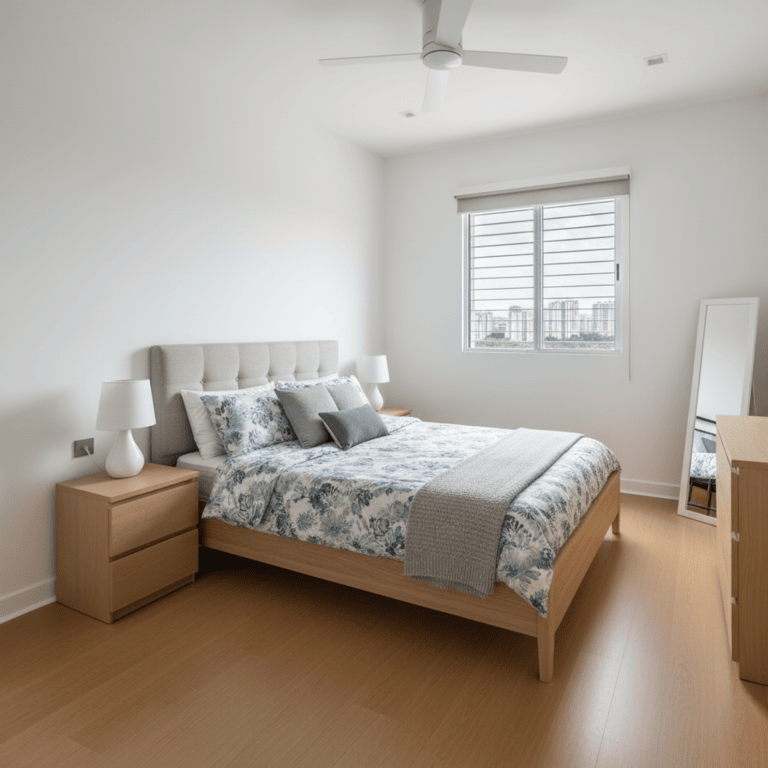
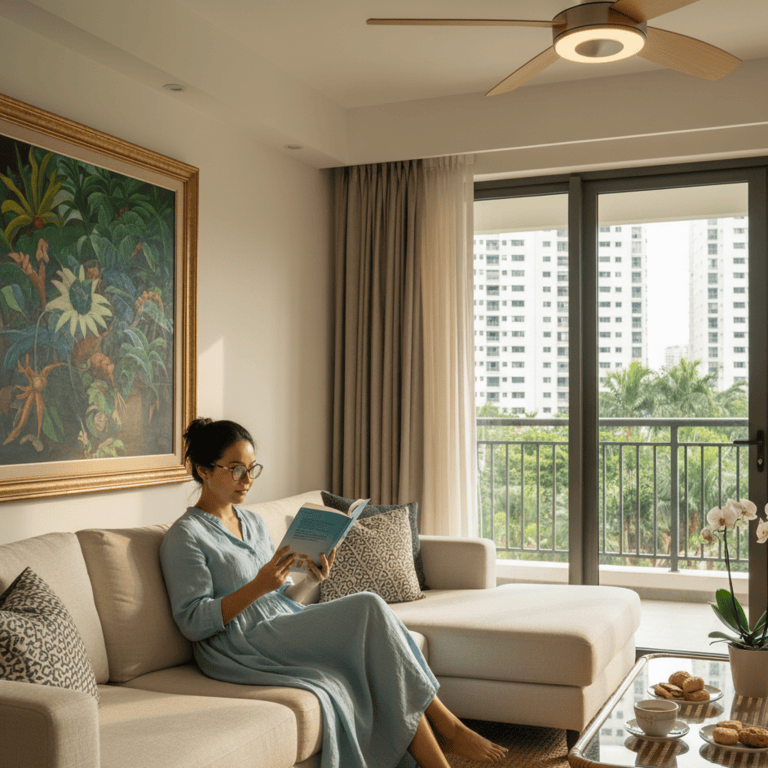
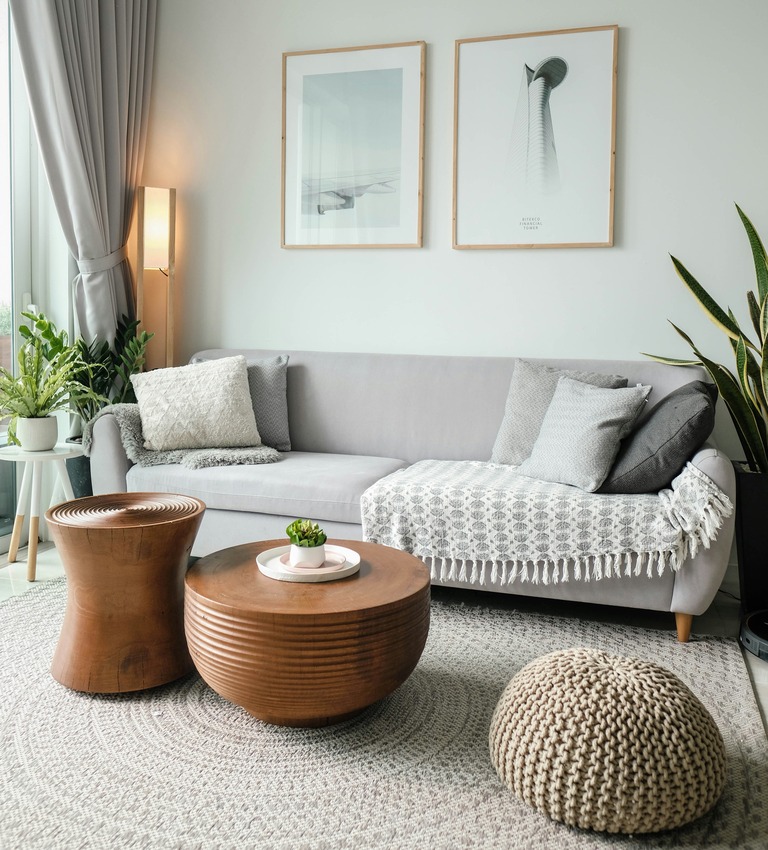
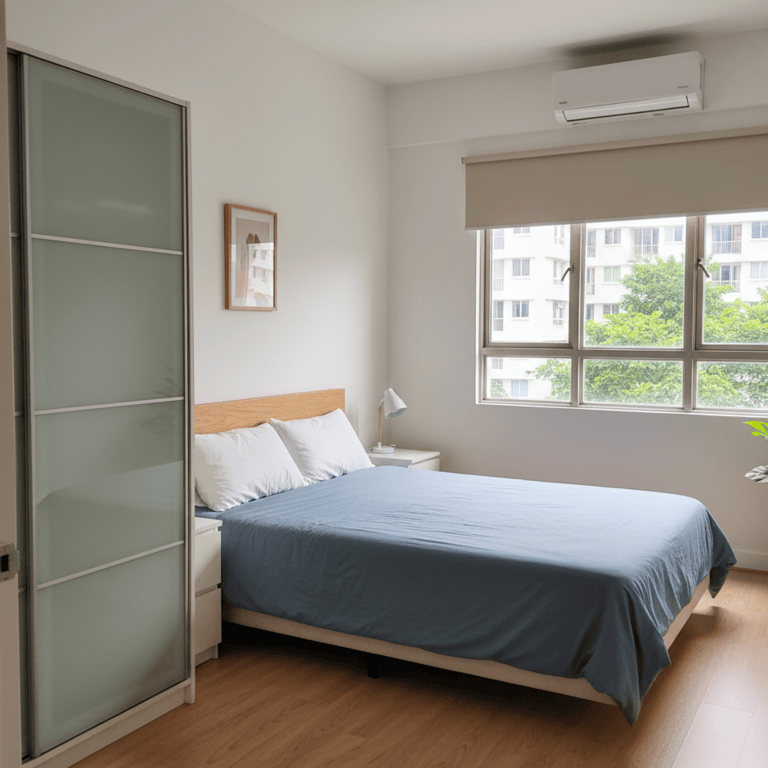
Create zones with rugs, shelving, and lighting changes. Use furniture placement to carve out separate areas. For example, a shelf or screen can divide your bed from the rest of the space. Try to group your bed, sofa, and desk separately, so sleeping, relaxing, and working each have their own corner in the room.
Run taps and flush toilets to check water pressure (and watch for leaks). Turn on lights, fans, and air-con to ensure they work. Test any provided appliances as well. Check walls and ceilings for water stains or mold. Note any problems and have the landlord address them before move-in. Photograph any defects and attach them to the inventory to avoid end-lease disputes.
Having a private attached bathroom is convenient – no sharing with others. You can use it anytime without waiting. However, you’ll be responsible for keeping it clean (there’s no one else using it). Check that the ensuite has good ventilation or a fan, since moisture can build up. Ensure the drainage slope, water pressure and hot water in the shower are good when you inspect. Overall, an ensuite adds comfort and privacy, but comes with the task of sole upkeep.
Ground floor units offer easy access without lift dependency, convenient for moving furniture or groceries, and potential for small gardens or patios. However, they may have less privacy, more noise from foot traffic, and security concerns. High floor units provide better views, more privacy, less noise, and better ventilation, but depend on lift access and may be less convenient for daily errands.
Usually yes, but it’s important to clarify the rules. Ask your landlord or flatmates about kitchen use: Can you cook full meals anytime or is it “light cooking only”? Also, check how fridge space is shared. Make sure you clean up after using the kitchen (wash your dishes, wipe the stove) as a courtesy. As long as everyone respects common areas, you should be able to use the kitchen and store your groceries in the fridge without issue.
Set polite boundaries. Keep your door closed or locked when you need personal space or quiet. Communicate with housemates about quiet hours (for example, agree on lowering noise after a certain time at night). Use headphones if you’re watching movies or listening to music late. Respecting each other’s schedules and discussing noise or privacy concerns openly will help everyone coexist comfortably.
Run the shower and taps to test water pressure and hot water – make sure it heats up and flows well. Flush the toilet to ensure it works properly. Look around for any signs of leaks or mold (check under the sink and around the edges of the shower). See if there’s a ventilation fan or window, because you’ll want moisture to escape to prevent mildew.
In a landed house, residents handle all the cleaning. Large spaces (living rooms, kitchen, stairs) mean more work, so housemates should set a chore routine or hire a cleaner together. Agreeing on who cleans what (and when) keeps the big home comfortable for everyone.