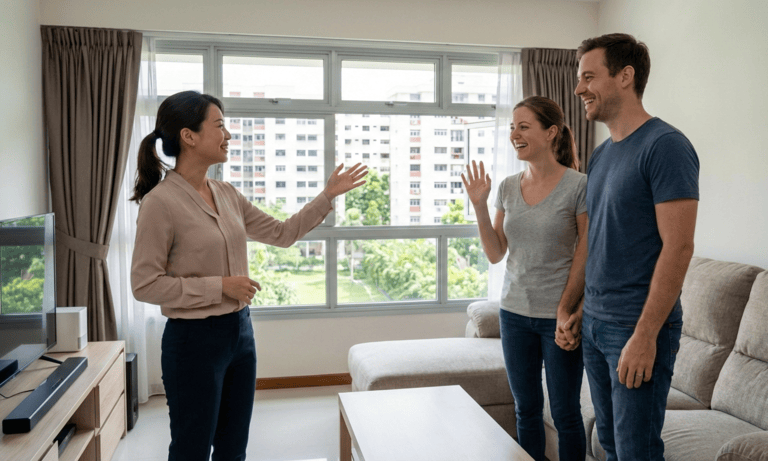
Newer HDB estates offer modern fittings, better insulation, and more efficient layouts, but rooms may be smaller and rent higher. Older estates provide more spacious rooms and lower rent, but may have aging infrastructure and require more maintenance. Newer estates often have better accessibility features and integrated amenities, while older ones offer more character and established community networks.
For kids, safety is key. Look for window grilles or child locks if you’re in a high-rise. If there’s a balcony, ensure it’s safe (you might add netting or grilles). Choose rounded furniture edges and secure bookshelves. A simple toy storage system keeps clutter controlled and reduces tripping hazards during busy mornings.
Living alone means you bear all utility costs, so efficiency matters. Use programmable thermostats for air-conditioning, switch to LED lighting, and unplug devices when not in use. Consider your usage patterns - cook in batches, do laundry efficiently, and use appliances during off-peak hours if available. Monitor your monthly bills to identify high-consumption periods and adjust habits accordingly. Some units benefit from smart home devices to optimize energy usage.
Check whether it’s in the kitchen or bathroom and listen for spin noise near the bed. Ensure there’s a drying area with airflow. If stacking is possible, measure carefully. Quiet operation matters when your sleeping and laundry zones overlap.
Use light colors, mirrors, and good lighting to create an illusion of space. Choose compact, multi-functional furniture and utilize vertical storage. Keep the room uncluttered, use under-bed storage, and consider whether you can use some shared areas for activities like studying or relaxing.
Condo management committees can make decisions about facility usage, renovation rules, and additional charges that affect tenants. While you can't vote, stay informed about upcoming decisions through your landlord. Major changes like facility closures or new rules may impact your rental experience. Good landlords will communicate these changes and their implications.
Popular facilities like BBQ pits, function rooms, and tennis courts often require advance booking and may have peak time restrictions. Weekend slots fill up quickly, especially for BBQ areas. Some facilities have time limits or cleaning deposits. Download the condo's app or check with management about booking procedures, cancellation policies, and any additional charges for facility usage.
Take advantage of amenities to justify higher rent costs. Use the gym instead of paying for external memberships, utilize the pool for exercise and relaxation, and book function rooms for gatherings. Many condos offer additional services like concierge, dry cleaning pickup, or maintenance services. Factor these conveniences into your rental value assessment.